Custom Aluminum Window Manufacturer

Alumium Windows for Modern Residential & Commercial Projects

Looking for reliable alumium windows for residential, commercial, architectural, or large-scale building projects? Our aluminum window solutions combine durable aluminum alloy profiles, precision manufacturing, modern design, weather resistance, thermal performance, and flexible customization for international markets.

Although “alumium windows” is a commonly searched spelling variation, the standard industry term is aluminum windows. We manufacture and supply customized aluminum windows for distributors, contractors, architects, builders, developers, and wholesale buyers.

Why Choose Our Aluminum Windows?

✓
Custom sizes, colors, profiles and opening configurations
✓
Aluminum alloy frames designed for long-term durability
✓
Suitable for residential and commercial applications
✓
OEM and project-based manufacturing available
✓
International B2B wholesale and distribution support
Aluminum Window Guide

Understanding Alumium Windows and Modern Aluminum Window Solutions

Explore the construction, performance, applications and purchasing considerations behind modern aluminum windows.

What Are Alumium Windows?

The term alumium windows is often used online as a spelling variation of aluminum windows. In the professional building industry, the correct term is generally aluminum windows. These windows use aluminum alloy profiles to create the main frame, sash, structural components, and supporting elements of a window system.

Aluminum is widely used because it combines relatively low weight with excellent structural strength, dimensional stability, corrosion resistance, and design flexibility. Modern aluminum window systems can be engineered for residential buildings, commercial developments, architectural projects, villas, offices and large-scale construction.

alumium windows
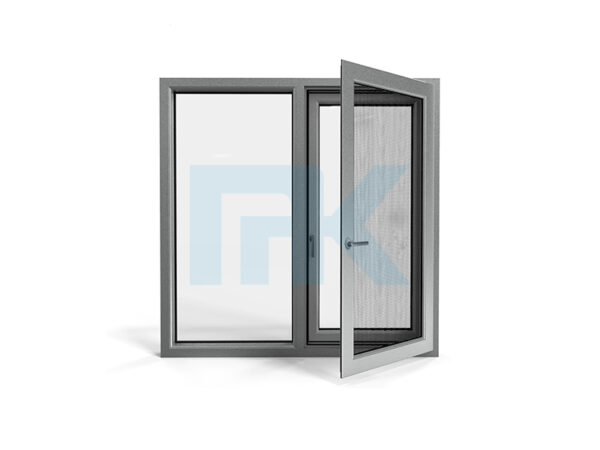
Aluminum casement window system for modern residential and commercial architecture

Aluminum Window Frames

The frame is the structural foundation of an aluminum window. High-quality profiles can be engineered with different wall thicknesses, chambers, grooves, drainage channels and reinforcement features. The profile design affects strength, appearance, thermal performance and installation requirements.

Aluminum Alloy Construction

Modern aluminum windows normally use aluminum alloys rather than pure aluminum. Alloy composition and extrusion technology allow manufacturers to achieve better mechanical performance and surface quality. Different profile systems can be designed for residential windows, commercial projects and architectural applications.

Glass and Hardware Integration

An aluminum window is more than a metal frame. Glass, seals, rollers, hinges, locks, handles, drainage systems and installation accessories all influence final performance. A professional manufacturer should coordinate the complete system rather than simply supply aluminum profiles.

Why Choose Aluminum Windows for Building Projects?

Aluminum windows have become a popular solution for modern construction because they provide a combination of strength, appearance, customization and service life. Compared with many traditional window materials, aluminum allows manufacturers to produce slim frame designs while maintaining structural performance.

Durability and Structural Strength

Aluminum alloy profiles are resistant to many common environmental conditions and can be engineered for different structural requirements. Proper surface treatment helps protect the profile from weather exposure, while accurate extrusion and fabrication improve dimensional consistency.

Modern Architectural Appearance

Architects often select aluminum windows because the material supports minimalist profiles, large glazing areas and multiple surface finishes. Powder coating and anodizing provide numerous visual possibilities.

Flexible Customization

Custom aluminum windows can be manufactured in different widths, heights, glass specifications, opening styles, colors and hardware configurations. This flexibility is valuable for construction companies, distributors and project buyers.

Are Aluminum Windows Energy Efficient?

Energy performance is one of the most important considerations when selecting modern windows. Advanced aluminum window systems commonly use thermal-break technology to reduce heat transfer through the frame. When combined with suitable glazing, insulated spacers, quality seals and proper installation, a thermally broken aluminum window system can deliver improved thermal performance.

Thermal Break Technology

A thermal break separates the exterior and interior aluminum sections using a low-conductivity insulating material. This interrupts the direct thermal path through the frame and helps reduce heat transfer.

Double and Triple Glazing

Double glazing can improve insulation compared with single glass, while triple glazing can provide additional thermal and acoustic performance where project requirements justify it.

Sealing and Installation

Even a high-performance aluminum window can perform poorly if installation is incorrect. Multi-point seals, accurate fabrication, drainage channels and professional installation work together.

How Are Custom Aluminum Windows Manufactured?

Manufacturing custom aluminum windows involves several stages, beginning with project requirements and profile engineering and continuing through extrusion, surface treatment, cutting, machining, assembly, glazing, quality inspection and packaging.

Engineering and Profile Design

Engineers determine the profile system, frame dimensions, glass configuration, hardware locations, drainage paths and structural requirements according to project drawings.

Precision Fabrication

Aluminum profiles are cut and machined according to project drawings. Accurate cutting, corner connection, drilling and routing are essential for consistent assembly.

Final Assembly and Inspection

The final window is assembled with glass, seals, hardware and accessories. Quality inspection verifies dimensions, surface appearance, operation, drainage, locking functions and packaging.

Where Are Aluminum Windows Used?

Aluminum windows are suitable for a wide range of construction environments. Their combination of structural strength, design flexibility and surface finishing options makes them appropriate for both residential and commercial architecture.

Residential Aluminum Windows

Residential applications include villas, apartments, townhouses, new homes and renovation projects. Casement, sliding, awning, tilt and turn, and fixed aluminum windows can all be selected according to architectural requirements.

Commercial Aluminum Windows

Commercial projects include offices, hotels, shopping centers, schools, hospitals and mixed-use developments. These projects may require larger dimensions, stronger hardware and improved weather resistance.

Architectural and Industrial Projects

Architectural projects can require highly customized aluminum windows that match specific facade concepts. Industrial buildings may prioritize durability, ventilation, security or cost efficiency.

How to Choose an Aluminum Windows Supplier?

Choosing the right supplier is especially important for overseas B2B buyers. Price should not be the only factor. Buyers should evaluate profile quality, fabrication capability, customization experience, hardware options, quality control, packaging, production capacity and export experience.

Check Product and Technical Capability

Ask the supplier about profile systems, aluminum alloy specifications, thermal-break options, glass configurations, surface finishes and available opening styles.

Evaluate Quality Control

Quality control should cover raw materials, profile dimensions, surface treatment, cutting, machining, assembly, glazing and final inspection.

Consider Total Project Cost

The lowest quotation does not always represent the lowest project cost. Buyers should consider product quality, packaging, breakage risk, installation compatibility, lead time and long-term performance.

Product Comparison

Aluminum Windows Specification Guide

Use this table as a starting point when comparing aluminum window systems for residential and commercial projects.

Feature Standard Aluminum Windows Thermal Break Aluminum Windows Custom Project Windows
Frame Material Aluminum alloy Aluminum alloy with thermal insulation Customized aluminum alloy system
Thermal Performance Suitable for moderate requirements Improved insulation performance Designed according to project requirements
Glazing Single or double glazing Double or triple glazing Customized glass specification
Opening Styles Sliding / Casement Sliding / Casement / Tilt & Turn Multiple customized configurations
Surface Finish Powder coating / anodizing Powder coating / anodizing Customized color and finish
Applications Residential and general buildings Energy-conscious residential and commercial projects Architectural, commercial and large-scale projects
Customization Medium High Very high
Best For Cost-effective projects Energy-efficient buildings Special architectural requirements
Frequently Asked Questions

Alumium Windows FAQ

What are alumium windows and are they the same as aluminum windows?

Yes. The phrase “alumium windows” is generally a spelling variation or misspelling of “aluminum windows.” In professional construction and architectural specifications, aluminum windows is the standard term.

Aluminum windows use aluminum alloy profiles as their primary frame and sash material. The complete system can include glass, thermal-break components, seals, locks, handles, hinges, rollers, drainage channels and other accessories.

When searching online, buyers may encounter both terms. For professional B2B communication, it is recommended to use “aluminum windows” while recognizing “alumium windows” as a search variation.

Are aluminum windows suitable for residential and commercial buildings?

Yes. Aluminum windows are suitable for villas, apartments, houses, offices, hotels, schools, hospitals, retail buildings and mixed-use developments. The correct configuration depends on climate, building design, glazing, security and performance requirements.

Residential projects may prioritize appearance, thermal insulation, sound reduction and ventilation, while commercial projects may require larger dimensions, stronger hardware, higher weather resistance and consistent production quality.

Modern thermal-break aluminum windows can be particularly useful when energy performance is an important project objective.

Can I order custom aluminum windows from a manufacturer?

Yes. Custom aluminum windows can be manufactured according to dimensions, opening styles, glass specifications, colors, hardware, thermal-break requirements and architectural drawings.

For custom projects, buyers should provide window dimensions, opening style, glass specification, color, quantity, installation method and project location whenever possible.

A professional manufacturer should provide technical drawings or shop drawings before mass production so that the buyer can confirm dimensions, opening direction, hardware positions, glass specifications and appearance.

Are aluminum windows energy efficient?

Modern aluminum windows can provide strong energy performance when designed with thermal-break profiles, suitable glazing, quality seals and professional installation.

Double glazing, triple glazing, Low-E glass, argon filling and warm-edge spacers may be used depending on the project. The complete system should be evaluated rather than considering only the aluminum frame.

Correct installation is also important because poor sealing around the frame can reduce the performance of an otherwise high-quality window.

How should I choose an aluminum windows manufacturer or supplier?

Buyers should evaluate profile quality, aluminum specifications, customization capability, glass, hardware, surface treatment, quality control, packaging, technical support and export experience.

Request technical drawings, samples and detailed specifications before placing large orders. For major projects, it can also be useful to establish inspection standards before production begins.

The best supplier is not necessarily the supplier with the lowest quotation. Consistent quality, reliable production, technical support and professional packaging can have a much greater impact on the total project cost.

Materials & Manufacturing

Aluminum Window Materials and Manufacturing Process

01

Aluminum Alloy Profiles

High-quality aluminum alloy profiles provide the basic structural framework for modern aluminum windows.

02

Surface Treatment

Powder coating and anodizing provide different aesthetic and protective options for architectural applications.

03

Glass & Seals

Glass and sealing systems influence thermal insulation, acoustic performance and weather resistance.

04

Hardware & Assembly

Handles, locks, hinges, rollers and accessories must be accurately installed for reliable long-term operation.

Window Types

Types of Aluminum Windows

Casement Aluminum Windows

Casement aluminum windows are hinged and can provide effective ventilation and a clean architectural appearance. They are suitable for residential buildings, villas, apartments and commercial projects.

CASEMENT
ALUMINUM WINDOWS

Sliding Aluminum Windows

Sliding aluminum windows move horizontally along tracks and are useful where opening space is limited. They are widely used in residential buildings, balconies, apartments and commercial areas.

SLIDING
WINDOW SYSTEM

Tilt and Turn Aluminum Windows

Tilt and turn aluminum windows provide two opening functions, allowing ventilation through tilt opening or a larger opening through the turn function.

TILT & TURN
WINDOWS

Fixed Aluminum Windows

Fixed aluminum windows are designed primarily for natural light, visibility and architectural glazing. They can be combined with operable windows to create modern facade systems.

FIXED
ARCHITECTURAL WINDOW

Awning Aluminum Windows

Awning aluminum windows are hinged at the top and open outward from the bottom. They can provide controlled ventilation and can be combined with fixed glazing.

AWNING
ALUMINUM WINDOWS
Complete Buying Guide

Complete Guide to Alumium Windows and Aluminum Window Systems

Alumium Windows: A Practical Guide for Global Buyers

The global demand for modern window systems continues to evolve as architects, builders, homeowners and developers look for products that combine appearance, durability, energy performance and flexible design. Among the available materials, aluminum remains an important choice because it can be engineered into strong and precise profiles while supporting a wide range of architectural styles.

The phrase alumium windows appears frequently in online searches, although the standard spelling used by manufacturers and the construction industry is aluminum windows. For buyers, the spelling is much less important than understanding what makes a good aluminum window system.

Why Aluminum Has Become a Popular Window Material

Aluminum combines several properties that are useful in construction. The material can be extruded into complex cross-sectional shapes, allowing engineers to design profiles with channels for glass, gaskets, hardware, drainage and reinforcement.

Another important advantage is dimensional stability. Aluminum profiles can maintain relatively stable dimensions across normal building conditions, which is useful for large window openings and architectural projects.

Aluminum Windows for Residential Buildings

Residential aluminum windows are used in houses, villas, apartments, townhouses and renovation projects. Homeowners generally care about appearance, comfort, ventilation, security, energy efficiency and ease of maintenance.

Casement windows are popular when natural ventilation is important. Sliding windows can be useful where space is limited. Tilt-and-turn windows offer flexible ventilation and cleaning options.

Commercial Aluminum Windows

Commercial aluminum windows are often required for offices, hotels, retail properties, schools, hospitals and mixed-use developments. Commercial projects may involve larger quantities and stricter technical requirements.

A professional aluminum windows manufacturer should maintain consistent fabrication procedures and quality-control standards. This helps reduce installation problems and improves project consistency.

Thermal Break Aluminum Windows

Thermal-break aluminum windows use an insulating barrier between the interior and exterior aluminum sections. This reduces the direct conductive path through the frame and can improve thermal performance.

The overall performance still depends on glazing, frame geometry, seals, spacers and installation. Buyers should therefore evaluate the complete window system.

Choosing the Right Glass for Aluminum Windows

Glass represents a large portion of the total window area and has a significant influence on thermal and acoustic performance. Common options include clear glass, tinted glass, tempered glass, laminated glass, Low-E glass and insulated glass units.

Double glazing contains two panes separated by a cavity, while triple glazing adds another pane. Low-E coatings can reduce unwanted heat transfer depending on the coating design.

Custom Aluminum Windows for B2B Projects

Custom aluminum windows are especially valuable for international distributors, construction companies, architects and developers because local projects frequently have different dimensions and technical requirements.

A custom manufacturer can adapt window dimensions, profile systems, opening configurations, colors, glass and hardware according to the customer's specifications.

Aluminum Windows for International Wholesale

International wholesalers and distributors often purchase aluminum windows in larger quantities. Their requirements can include stable quality, repeatable specifications, reliable packaging and predictable production schedules.

A suitable aluminum windows supplier should be able to support repeat orders with consistent specifications.

How to Compare Aluminum Windows Manufacturers

Comparing manufacturers based only on quotation price can lead to poor purchasing decisions. Buyers should compare profile specifications, glass options, surface treatment, hardware, manufacturing equipment, quality control, customization capability and packaging.

For larger orders, buyers can request samples and technical drawings. Clear specifications help both sides understand what is expected and reduce disagreements after manufacturing.

Installation Considerations for Aluminum Windows

Even excellent windows can perform poorly if installation is not completed correctly. The opening should be properly prepared, the frame should be correctly aligned and the perimeter should be sealed according to the installation system.

Drainage is another important consideration. Water entering the frame should have a controlled path to exit the system.

Maintenance of Aluminum Windows

One advantage of aluminum windows is relatively straightforward maintenance. Frames can normally be cleaned with suitable mild cleaning materials. Tracks on sliding windows should be kept free of dirt and debris.

In coastal environments, regular cleaning can be particularly useful because salt deposits can accumulate on exposed surfaces.

Aluminum Windows and Modern Architecture

Contemporary architecture often emphasizes large glass surfaces, natural light and simple geometric forms. Aluminum is well suited to these trends because its strength-to-weight characteristics allow manufacturers to develop relatively slim profiles.

Cost Factors for Aluminum Windows

The price of an aluminum window depends on frame dimensions, profile series, aluminum thickness, thermal-break design, glass specification, hardware, surface treatment, customization, quantity and packaging.

For B2B buyers, it is better to compare quotations using the same specification. A quotation for a basic aluminum window should not be directly compared with a quotation for a thermal-break system with premium glass and hardware.

Buyer Tip: When comparing aluminum window suppliers, always compare the complete specification. Ask about the aluminum alloy, profile thickness, thermal-break system, glass, hardware, surface finish, dimensions, packaging and quality-control process.

Why Work With an Experienced Aluminum Windows Manufacturer?

An experienced manufacturer can contribute more than production capacity. Technical knowledge can help buyers choose suitable profiles, glazing, hardware and surface treatments for their target market.

For distributors, working with a stable manufacturer can also support long-term product consistency. Once a product specification has been approved, future orders can follow the same technical configuration.

Final Guide to Buying Alumium Windows

If you are searching for alumium windows, the first step is to recognize that the professional industry term is generally aluminum windows. Buyers should then focus on the technical characteristics that determine product performance.

Consider the building type, climate, window dimensions, opening configuration, glass requirements, energy-performance targets, security needs and architectural appearance.

For B2B buyers, the choice of supplier is equally important. A reliable aluminum windows manufacturer should provide clear technical information, customization capability, stable production quality, suitable packaging and professional communication.

Whether the project involves residential aluminum windows, commercial aluminum windows, custom architectural systems or wholesale distribution, a complete system approach produces better results than focusing on the frame alone.

Looking for Custom Aluminum Windows?

Get professional support for custom aluminum windows, thermal-break window systems, residential windows, commercial windows and wholesale B2B projects.

Request a Custom Aluminum Window Quote