Looking for a reliable manufacturer of aluminum windows and doors? Discover factory-direct custom aluminum windows, aluminum doors, sliding systems, thermal-break solutions and architectural glazing products engineered for residential, commercial, hospitality, villa and international construction projects.
A professional manufacturer of aluminum windows and doors should provide more than profiles and finished products. International buyers need engineering support, custom dimensions, glass selection, hardware integration, surface finishing, quality control, packaging and reliable export coordination. This page explains how to evaluate an aluminum window manufacturer, how custom aluminum doors and windows are produced, what materials are commonly used and how to choose the right solution for different architectural projects.
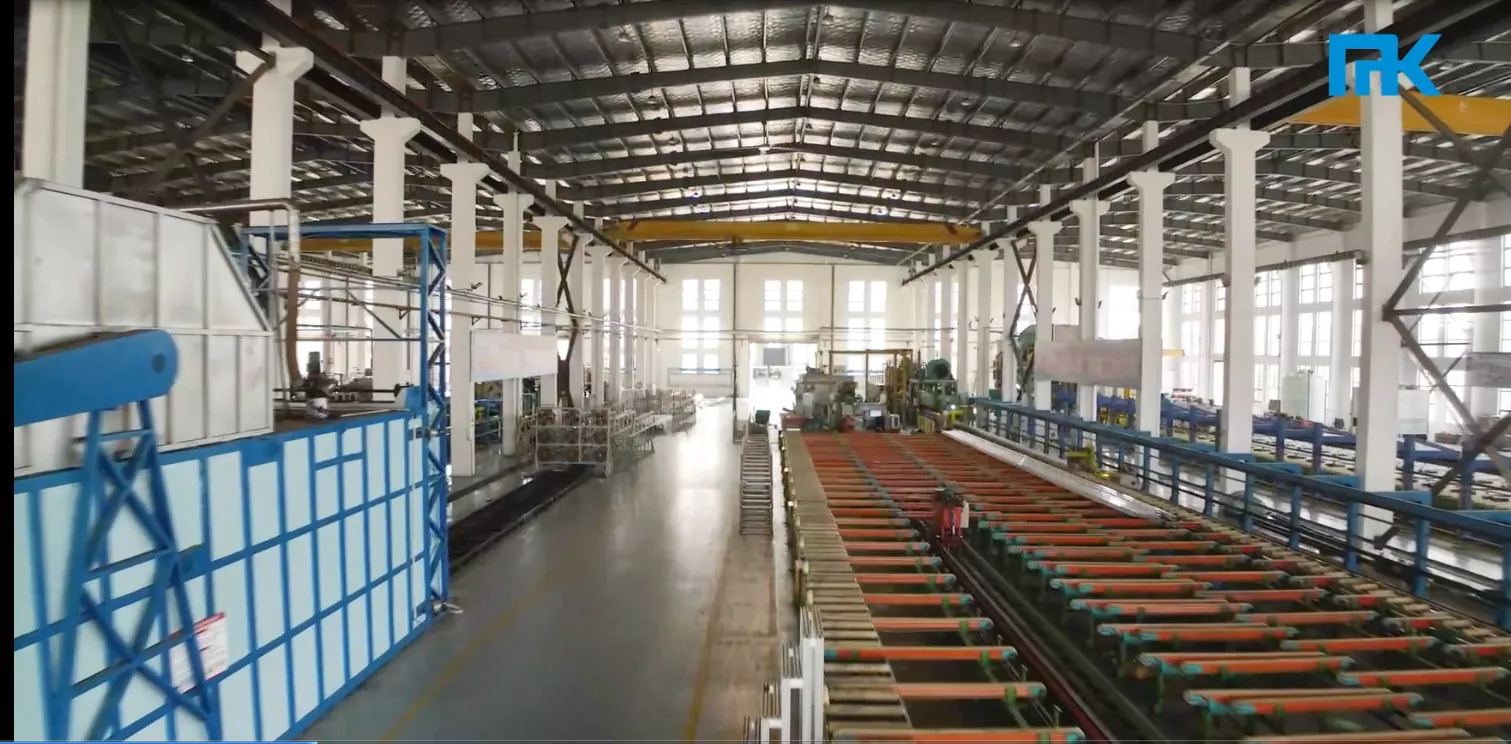
A professional manufacturer of aluminum windows and doors operates across several stages of the product supply chain. The process can begin with aluminum extrusion and profile selection and continue through cutting, CNC machining, frame assembly, glazing, hardware installation, finishing, inspection and packaging. This integrated approach is particularly useful for international B2B buyers because the customer can discuss the entire product configuration with one manufacturing team rather than coordinating separate suppliers for every component.
An aluminum window or door is a system rather than a single piece of material. The profile provides the basic frame structure, while glass, gaskets, hardware, thermal breaks, drainage channels and surface treatments all influence the final performance. A professional aluminum windows and doors factory should therefore be capable of explaining how these components work together. For project customers, the factory may also provide technical drawings, section details, shop drawings, installation information and customized product schedules.
This is particularly important for large architectural openings. A slim sliding door may look simple from the outside, but its internal design needs to accommodate the glass weight, rollers, locking mechanism, drainage and structural loads. The same principle applies to large fixed windows, folding doors and floor-to-ceiling systems. The visible appearance is only one part of the engineering.
Different countries and construction markets can have very different requirements. A residential project in Australia may require different glazing, weather and wind considerations from a villa in the Middle East or a commercial building in North America. European projects may require specific thermal and performance documentation, while tropical markets may prioritize solar control, ventilation and resistance to heavy rainfall.
For this reason, a capable custom aluminum windows and doors manufacturer should not force every customer into one standard configuration. Instead, the factory should be able to adjust dimensions, frame series, opening type, glass specification, color, hardware and accessories according to the project. This flexibility is especially useful for contractors, developers, architects, distributors and importers purchasing directly from China or other manufacturing regions.
OEM and ODM production can provide additional flexibility for international customers. An OEM project may use the buyer's product specifications, drawings, branding or packaging requirements. An ODM project may begin with an existing factory system and then adapt dimensions, finishes, hardware and configurations to the buyer's market. For distributors, this can make it easier to develop a consistent local product range.
A good factory relationship should include clear technical documentation and approval procedures. Before mass production, the buyer should approve the final drawings, colors, glass specification, hardware and dimensions. This reduces the possibility of misunderstandings and provides a clear reference for future repeat orders.
The first step in evaluating an aluminum window and door manufacturer is to understand what the company actually manufactures. Some businesses primarily trade standard products, while others operate their own extrusion, fabrication, finishing or assembly facilities. For a B2B customer, this distinction can influence customization, quality control, lead times and communication.
Ask whether the manufacturer can provide technical drawings, profile sections, glass options, hardware specifications and product data. If a project includes oversized sliding panels or complex architectural openings, engineering support becomes even more important. A factory that understands structural requirements can help determine whether a particular profile and hardware combination is appropriate before production.
Quality control should cover the complete production process. Aluminum profiles should be checked for dimensions and surface condition. Cutting and machining should be controlled for accuracy. Frames should be inspected for squareness, joint quality and alignment. Glass should be inspected before installation, and hardware should be checked for correct operation. Finished doors and windows should then undergo a final inspection before packaging.
For international projects, buyers can request inspection photos, videos, sample products or third-party inspection. A professional aluminum doors and windows supplier should be comfortable explaining its inspection process and providing documentation where appropriate. Consistency is especially important when a project contains dozens or hundreds of similar units.
Manufacturing capability has little value if technical communication is poor. International projects often involve drawings, measurements, product schedules, glass specifications, color references and installation details. The supplier must be able to understand these requirements accurately and confirm them before production.
A reliable aluminum windows factory should provide a clear quotation, technical confirmation, production schedule, inspection process and shipping information. For repeat buyers, the factory should also maintain consistent specifications so that future orders match previous products.
Profile selection, thermal-break design, glass configuration, hardware capacity and project-specific technical support.
Precision cutting, machining, assembly, glazing, finishing and controlled production processes for repeatable quality.
Shop drawings, product labeling, protective packaging, documentation and international logistics coordination.
Residential architecture increasingly uses large glass surfaces to improve daylight and create connections between indoor and outdoor spaces. Aluminum windows can support this trend because extruded profiles can be designed for different opening configurations and glazing requirements. Casement windows, sliding windows, fixed windows, tilt-and-turn systems and large panoramic configurations can all be developed using appropriate aluminum profiles.
For modern villas and high-end homes, homeowners may request slim frames, dark architectural colors, large insulated glass units and concealed hardware. Thermal-break systems can be considered when thermal performance is important. For coastal properties, surface finish and hardware selection should account for environmental exposure.
Modern doors often extend far beyond the dimensions of traditional residential entrances. Large sliding doors, lift-and-slide doors, folding doors and pivot doors can create dramatic architectural openings. These systems require appropriate frame geometry and hardware because large glass panels can be significantly heavier than conventional doors.
A specialist aluminum door manufacturer should therefore evaluate panel size, glass weight, wind pressure and hardware capacity before confirming a large door configuration. This is particularly important for floor-to-ceiling openings, high-rise balconies, exposed terraces and commercial entrances.
Hotels, restaurants, offices, retail stores and commercial developments frequently use aluminum doors and windows because they combine architectural appearance with flexible configurations. Commercial projects may require high-cycle hardware, access control, safety glass, acoustic performance or enhanced weather resistance.
For these applications, the manufacturer should be able to provide coordinated product systems. Windows, doors and façade elements should have compatible colors, sightlines and technical details. This can create a consistent building appearance while simplifying procurement and installation.
A thermal-break aluminum window or door uses an insulating barrier between selected interior and exterior aluminum sections. This helps reduce direct conductive heat transfer through the frame. When combined with insulated glass, appropriate gaskets and correct installation, a thermal-break system can provide significantly different thermal characteristics from a basic non-thermal-break system.
The actual energy performance of the complete window or door depends on multiple components. Therefore, buyers should evaluate the whole assembly rather than assuming that one aluminum profile or one glass specification represents the final product performance.
Glass occupies a large portion of many modern aluminum window and door systems. Depending on the project, glass may include tempered safety glass, laminated glass, insulated double glazing, triple glazing, Low-E coatings, solar-control glass or acoustic glazing.
The appropriate selection depends on climate, safety requirements, acoustic targets, solar exposure, panel dimensions and local regulations. For large doors, glass weight must also be considered when selecting rollers, hinges and locking hardware.
Exterior aluminum windows and doors must manage wind, rain, temperature changes and repeated operation. Gaskets, drainage channels, frame chambers, locking points and installation details all contribute to weather resistance.
A quality manufacturer should consider the intended environment before recommending a system. A coastal building may require different finishing and hardware considerations from an inland residential project. A high-rise façade may also face stronger wind loads than a low-rise building.
Custom manufacturing allows windows and doors to be produced according to architectural drawings rather than forcing the project into fixed retail dimensions. Buyers can specify width, height, opening direction, panel quantity, frame style, glass and hardware.
For projects with unusual openings, the manufacturer can review drawings and recommend a suitable configuration. This can be particularly useful for villas, hotels, apartment developments, commercial buildings and renovation projects.
Powder coating and anodizing are common architectural aluminum finishing methods. Buyers can select colors that coordinate with the building façade and interior design. Black, grey, white, bronze and metallic finishes are widely used, while custom colors can be specified for larger projects.
Finish consistency should be considered when multiple batches are produced. For large commercial projects, maintaining the same approved finish across different production stages can help preserve the visual consistency of the building.
Hardware selection influences security, operation and service life. Sliding systems require suitable rollers and tracks. Hinged doors require appropriately rated hinges. Multi-point locking can be used where additional locking points are required. Commercial applications may also integrate access-control components.
The manufacturer should confirm hardware load capacity according to panel dimensions and glass weight. For long-term B2B supply, availability of replacement rollers, locks, gaskets and other wear components can also be important.
Working directly with a factory can give B2B buyers more direct communication with engineering and production teams. Instead of selecting from a limited retail catalog, buyers can discuss profile systems, dimensions, colors, glass and hardware requirements according to the project.
Factory-direct purchasing can be especially useful for distributors, contractors and developers who require repeatable specifications. Once the product configuration has been approved, future orders can follow the same technical standard.
Complex aluminum windows and doors often involve technical details that are difficult to communicate through multiple intermediaries. Direct communication allows buyers to discuss drawings, opening dimensions, glass weight, hardware and installation conditions with the manufacturer.
This can reduce misunderstandings and make it easier to resolve technical questions before production begins. For international projects, this type of communication can be an important part of risk management.
A reliable factory relationship can support repeat purchasing. Dealers can establish a product range, contractors can standardize specifications and developers can use compatible systems across multiple projects.
For long-term relationships, the buyer should evaluate more than the first order price. Product consistency, lead time, technical support, packaging, spare parts and communication can all influence the total value of the supplier relationship.
| Category | Common Options | Custom Options | B2B Considerations |
|---|---|---|---|
| Aluminum Alloy | Architectural 6063-series | Project-specific alloy / temper | Structural requirements and extrusion design |
| Window Type | Casement, sliding, fixed | Custom combinations | Opening size and ventilation requirements |
| Door Type | Sliding, hinged, folding | Lift-and-slide, pivot, oversized systems | Panel weight and operating frequency |
| Thermal System | Non-thermal-break | Thermal-break aluminum | Climate and energy requirements |
| Glass | Tempered / insulated | Low-E / laminated / acoustic / triple glazing | Safety, thermal and acoustic requirements |
| Finish | Powder coating | Anodized / custom color / wood effect | Appearance and environmental exposure |
| Hardware | Standard hardware | Premium / heavy-duty / access control | Panel size and operating cycles |
| Sealing | Standard gaskets | Multi-gasket systems | Air and water resistance |
| Manufacturing | Standard sizes | OEM / ODM / project customization | Architectural drawings and quantity |
| Packaging | Protective packaging | Export crates and project labeling | International logistics and handling |
When choosing a manufacturer of aluminum windows and doors, look beyond the initial quotation and evaluate the manufacturer's complete production and engineering capability. A reliable factory should be able to explain its aluminum profile systems, glass options, thermal break technology, hardware, surface finishing, sealing and drainage design. For custom projects, the manufacturer should also be able to review architectural drawings, confirm dimensions and prepare shop drawings before production. Quality control is another important factor. Ask how the factory checks profile dimensions, cutting accuracy, frame assembly, glazing, hardware installation and finished-product operation. For international projects, packaging and shipping preparation should also be considered because windows and doors can be damaged if they are not adequately protected. Buyers should also ask about spare parts, after-sales support and future repeat orders. A good B2B manufacturer is not simply a company that can make one product; it should be capable of producing consistent products according to an approved specification over multiple orders.
Yes. Custom dimensions are one of the main advantages of working directly with an architectural aluminum manufacturer. A factory can normally review the required width, height, panel quantity, opening direction and installation conditions before recommending a suitable system. Customization may also include frame sightline, glass configuration, thermal-break construction, surface color, hardware and accessories. For larger openings, engineering becomes particularly important because glass weight, wind pressure and hardware capacity increase with panel size. Buyers should provide architectural drawings whenever possible so the factory can verify the configuration before production. A professional custom aluminum windows and doors manufacturer should also prepare shop drawings for approval. This gives the buyer an opportunity to confirm dimensions, opening direction, glass specification and hardware before manufacturing begins. Custom production is especially useful for villas, hotels, commercial buildings, apartment developments and projects with unusual architectural openings.
An aluminum profile supplier primarily produces or distributes extruded aluminum profiles, while an aluminum window manufacturer can fabricate those profiles into finished window systems. Depending on the factory, a complete manufacturer may handle cutting, machining, frame assembly, glazing, hardware installation, finishing coordination, inspection and packaging. This difference matters to B2B buyers because purchasing profiles and purchasing finished windows are two different supply models. A profile buyer may need its own fabrication equipment, glass supplier, hardware supplier and assembly team. A finished-product buyer can instead purchase ready-to-install or project-ready windows and doors. Some factories offer both services. When requesting a quotation, buyers should clearly state whether they need raw profiles, semi-finished components or complete finished windows and doors. This helps avoid confusion over pricing, packaging, responsibilities, technical drawings and installation requirements.
Many Chinese aluminum windows and doors manufacturers serve international construction, wholesale and distribution markets. However, buyers should evaluate each factory individually rather than assuming that every manufacturer has the same export capability. Important factors include experience with international packaging, technical drawings, product customization, shipping documentation, communication and destination-market requirements. The factory should understand that overseas projects may require different glass, hardware, thermal performance or weather requirements. Buyers should provide the destination country and project information at the beginning of the quotation process. This allows the manufacturer to determine whether the proposed system is appropriate and whether additional technical documentation may be required. For large projects, buyers can request samples, inspection reports, production photographs and pre-shipment inspection. A long-term relationship is easier to establish when both sides clearly define product specifications, quality standards, packaging requirements, lead times and responsibilities before the first large order.
Thermal-break aluminum systems can be valuable when thermal performance is an important project requirement. A thermal break separates selected interior and exterior aluminum sections with an insulating material, reducing direct conductive heat transfer through the frame. However, the thermal performance of the complete window or door depends on the frame, glass, gaskets, spacers and installation. Therefore, buyers should not evaluate thermal performance by looking only at the profile. In cold climates, thermal-break systems combined with insulated Low-E glazing can help improve thermal comfort and condensation resistance. In hot climates, solar-control glazing may be important for reducing unwanted solar heat gain. The appropriate solution depends on the project's location, building orientation, climate and energy requirements. A professional manufacturer should be able to recommend suitable system configurations and provide available technical data. For large commercial or residential projects, the architect or engineer should confirm the final specification against local building requirements.
Depending on the manufacturer's supply chain and product system, aluminum windows and doors can use a wide range of glass configurations. Common options include clear glass, tempered safety glass, laminated glass, double insulated glazing, triple insulated glazing, Low-E glass, solar-control glass and acoustic glazing. The correct choice depends on the application. A residential window may prioritize thermal performance and daylight, while a commercial façade may also require acoustic or solar-control characteristics. Large sliding doors need additional consideration because the glass can become heavy as panel dimensions increase. The glass thickness and construction should therefore be coordinated with the aluminum frame and hardware. Safety requirements should also be reviewed according to local regulations. Buyers should provide the project location and intended application when requesting a quotation so that the manufacturer can recommend a suitable glass configuration rather than simply providing the cheapest available option.
The manufacturing process generally begins with product design and material selection. Aluminum profiles are cut according to approved dimensions and then machined for handles, locks, drainage and other hardware interfaces. Frame components are assembled using the appropriate corner connection methods. Glass units are inspected and installed with suitable gaskets and glazing components. Hardware such as handles, rollers, hinges and locking mechanisms is then installed. The finished unit is checked for dimensions, alignment, surface appearance and operation. Quality control may also include checking diagonal measurements, frame squareness, gasket placement and hardware function. After final inspection, the products are protected for transportation. For international orders, reinforced packaging and product labeling can be used to reduce the risk of damage and simplify installation at the destination. Custom projects normally require shop-drawing approval before the production stage begins.
Yes, many B2B aluminum windows and doors factories can support OEM or ODM production depending on their manufacturing capabilities. OEM production may follow the buyer's drawings, specifications, branding, packaging and product requirements. ODM production can start from an existing factory system and adapt dimensions, colors, hardware, glass and other specifications for a particular market. OEM and ODM can be useful for distributors, wholesalers, developers and construction companies that want a consistent product range. Before starting mass production, the buyer should approve the technical drawings, product specifications, colors, glass configuration and hardware. It is also useful to confirm packaging, labeling and spare-parts requirements in advance. A strong OEM relationship depends on repeatable quality and accurate documentation. The factory should be able to reproduce the approved configuration consistently across future orders rather than treating every shipment as a completely new product.
Architectural aluminum profiles form the main structural framework. 6063-series aluminum is widely used for architectural extrusion because of its combination of extrusion characteristics, machinability and finishing performance. The exact alloy, temper, wall thickness and profile geometry should be selected according to the project and system requirements.
Thermal-break technology introduces an insulating barrier between selected aluminum sections. This reduces direct heat transfer through the frame and can improve overall thermal performance when combined with suitable glazing and sealing.
Glass options include tempered, laminated, insulated, Low-E, solar-control and acoustic configurations. The final specification should consider safety, climate, energy requirements, acoustic performance and panel size.
High-quality sealing materials help control air and water infiltration. Gasket geometry, compression and installation accuracy all influence the final performance of the window or door.
Handles, locks, hinges, rollers and multi-point mechanisms must be selected according to the size, weight and operating frequency of the finished product.
Powder coating and anodizing are common architectural finishes. Custom colors and wood-effect finishes can also be specified for residential, commercial and hospitality projects.
A typical production workflow starts with technical drawing confirmation. After the buyer approves the dimensions, product type, glass, hardware and finish, the factory releases the order for production. Aluminum profiles are cut according to the fabrication schedule and machined for hardware, locks, handles and drainage. Frame components are assembled with appropriate connection methods, followed by gasket and glazing installation. Hardware is then fitted and adjusted. Finished units undergo inspection for dimensions, alignment, operation and appearance.
For export projects, the final stage includes protective film, corner protection, separation materials, reinforced packaging and product labeling. Large projects may use unit numbers that correspond to architectural drawings. This can help installation teams identify products more efficiently after the shipment reaches the construction site.
Slim-frame windows, large sliding doors, thermal-break profiles, insulated Low-E glass and premium hardware for modern villas and high-end residential properties.
Durable aluminum windows, entrances, storefront systems and commercial doors designed around high-traffic requirements and project documentation.
Coordinated windows, balcony doors, large sliding systems, acoustic glazing and durable finishes for hospitality projects.
Standardized window and door series with repeatable dimensions, colors, glass and hardware for large residential developments.
OEM and ODM production, custom colors, product labeling, export packaging and repeatable product specifications for regional dealers and wholesalers.
Thermal-break aluminum frames, insulated Low-E glazing, appropriate spacers, quality gaskets and carefully designed installation interfaces for energy-conscious projects.
Selecting a manufacturer of aluminum windows and doors is an important decision for any construction project because windows and doors are long-term building components. They affect daylight, ventilation, thermal comfort, weather protection, security, architectural appearance and the overall user experience. A supplier that only provides a low initial price may not necessarily provide the best long-term value. Buyers should evaluate the complete manufacturing system, technical capability, quality control and project support.
The role of the modern aluminum window and door factory has expanded considerably. Many manufacturers now provide complete product systems instead of only supplying raw aluminum profiles. This can include extrusion, fabrication, machining, surface finishing, glass coordination, hardware installation and final assembly. For international buyers, the ability to coordinate all these elements through one supplier can simplify procurement and reduce communication problems.
Aluminum is widely used in contemporary architecture because it can be extruded into complex profiles while maintaining a relatively low weight. Profile geometry can include internal chambers, reinforcement areas, drainage paths and hardware channels. This makes aluminum suitable for a wide range of windows and doors, from compact residential windows to very large sliding architectural openings.
Another advantage is design flexibility. Aluminum profiles can receive different architectural finishes and can be manufactured in different dimensions. This allows designers to coordinate windows, doors and façade components throughout a building. For projects where minimal sightlines are important, specialized slim-profile systems can increase the visual proportion of glass.
An aluminum window is not simply a rectangular aluminum frame with glass installed inside. A complete window system includes profiles, glazing support, gaskets, drainage, hardware and connection details. Different opening styles require different hardware and frame configurations. Casement windows operate through hinges, sliding windows use tracks and rollers, while fixed windows focus primarily on glazing and frame performance.
For international projects, the window system should be matched to the climate and building requirements. A cold-climate project may prioritize thermal insulation and condensation resistance. A hot climate may require solar-control glazing. A noisy urban location may require acoustic glazing. A coastal project may require careful attention to surface finish and hardware selection.
Aluminum doors are available in numerous configurations. Hinged doors are common for entrances, while sliding doors are frequently used for balconies, terraces and large living spaces. Lift-and- slide systems are designed for larger panels. Folding doors can create a wide opening by stacking multiple panels. Pivot doors can provide a distinctive architectural entrance.
The correct configuration depends on the opening size, operating frequency, glass weight and architectural requirements. A professional aluminum door manufacturer should review these factors before recommending a system. For large doors, hardware capacity becomes particularly important because the weight of the glass can place substantial loads on rollers, hinges and frames.
Thermal-break aluminum systems are designed to reduce direct heat transfer through the frame. They use an insulating barrier between selected aluminum sections. When combined with suitable insulated glass, high-quality seals and proper installation, thermal-break construction can contribute to improved building-envelope performance.
However, thermal performance should always be evaluated at the system level. The glass often occupies most of the visible area of a window or door, so the glazing specification can have a major influence on the complete assembly. Spacers, gaskets and installation interfaces also matter.
Glass is one of the most important components of modern aluminum windows and doors. Clear glass provides maximum daylight and visual transparency. Tempered glass can be used where safety and increased resistance to thermal and mechanical stress are required. Laminated glass can provide fragment retention and may also contribute to acoustic performance.
Insulated glazing can improve thermal performance by creating a controlled cavity between glass panes. Low-E coatings can modify heat transfer and solar radiation characteristics. Solar-control glass may be suitable for buildings exposed to strong sunlight. Acoustic glass can be considered for projects near roads, airports or busy commercial areas.
Modern architecture increasingly uses larger glass panels. This creates attractive views and allows more natural light to enter the building, but it also increases structural and hardware requirements. A large glass panel can weigh substantially more than a conventional window sash. The frame, rollers, hinges and locking mechanisms must therefore be designed for the actual load.
Wind pressure is another consideration. Exterior doors and windows can be exposed to significant wind loads, especially on tall buildings and exposed coastal sites. The manufacturer should receive project information before confirming oversized configurations. This helps prevent situations where an attractive design cannot be safely or reliably manufactured.
Surface finishing contributes both appearance and durability. Powder coating provides a broad selection of architectural colors, while anodizing creates a metallic appearance and can be appropriate for certain architectural applications. Wood-effect finishes can provide a warmer appearance while retaining an aluminum frame.
For large projects, finish consistency should be controlled throughout production. The buyer can approve a color sample before mass production. The factory should then use the approved reference when producing the order. This becomes particularly important when windows and doors are produced in several batches.
Hardware can determine how smoothly and reliably a door or window operates. Rollers must support the weight of sliding panels. Hinges must be rated for the door leaf. Locking systems should match the security and operating requirements. Handles need to provide comfortable operation while also matching the architectural design.
Commercial buildings often require more durable hardware because of higher operating frequency. Hotels, restaurants and retail spaces can experience thousands of operations over the service life of a product. For these applications, buyers should discuss hardware performance and replacement parts with the manufacturer.
Exterior aluminum windows and doors need to control air and water infiltration. Sealing systems normally use gaskets and compression points around the frame and glazing. Drainage channels provide a controlled route for water that reaches the frame or track area.
Threshold and perimeter installation are also important. Even a well-designed window can experience problems if the surrounding wall connection is not properly sealed. Therefore, manufacturers should provide installation information and contractors should follow the approved installation details.
Quality control should begin with raw materials and continue through the finished product. Aluminum profiles should be checked for dimensions and visible defects. Cutting and machining should be controlled using appropriate equipment. Assembly should be checked for alignment and squareness. Glass and hardware should be inspected before installation.
The final inspection should verify operation and appearance. For sliding doors, the panels should move smoothly. For hinged products, hinges and locks should operate correctly. Gaskets should be properly positioned. Surface finishes should be inspected for scratches and visible defects.
OEM and ODM production can be valuable for distributors and wholesalers. A buyer may want to create a private product line while using the manufacturing capability of an established factory. The manufacturer can potentially provide custom dimensions, colors, glass, hardware, packaging and labels.
For successful OEM production, specifications should be documented carefully. The buyer and factory should agree on drawings, product dimensions, finish, glass, hardware and packaging before mass production. Future orders can then follow the same approved standard.
International transportation creates additional risks. Aluminum frames can be scratched, glass can be damaged and hardware can be affected by poor handling. Export packaging should therefore protect both visible surfaces and vulnerable corners.
Large projects can benefit from product labeling. Each window or door can be assigned a number matching the architectural schedule. This helps installers identify the correct product quickly after delivery.
A developer may prioritize production capacity and project management. An architect may focus on technical documentation and design flexibility. A distributor may prioritize consistent quality, packaging, lead time and repeat orders. A contractor may focus on installation details and communication.
This means there is no single manufacturer that is automatically suitable for every buyer. The correct supplier is the one whose capabilities match the actual procurement requirements. Buyers should create a specification checklist before comparing quotations.
For international buyers, factory-direct procurement can simplify the supply chain. Instead of working through multiple intermediaries, the buyer can communicate directly with the manufacturing team about dimensions, glass, hardware and finishing. This can be especially useful when products are highly customized.
However, factory-direct purchasing requires the buyer to provide clear specifications. The more complete the project information, the more accurately the factory can calculate the quotation and recommend the appropriate system. Drawings, photos, schedules and dimensions are valuable during the quotation stage.
Architectural demand is moving toward larger glass areas, slimmer sightlines, better thermal performance and increasingly integrated building-envelope systems. This creates opportunities for manufacturers that can combine extrusion technology, precision fabrication, advanced glass and high-performance hardware.
The future of aluminum windows and doors is therefore not simply about producing thinner frames. It is about balancing visual minimalism with structural performance, thermal efficiency, weather resistance, safety and long-term durability. Manufacturers that can manage this complete system are better positioned to serve demanding international construction projects.
Choosing the right manufacturer of aluminum windows and doors requires a complete view of the product and supply chain. The best purchasing decision should consider aluminum profiles, glass, thermal performance, hardware, surface finishing, engineering, quality control, packaging and after-sales support together.
For architects, developers, contractors, distributors and importers, a professional manufacturer can become more than a product supplier. The factory can provide technical support, customization, OEM/ODM production, project coordination and long-term supply stability. By establishing a clear specification before production and selecting a supplier with strong manufacturing and engineering capabilities, buyers can reduce project risk while obtaining aluminum windows and doors that match the required architectural appearance and performance.
| # | Company / Brand | Primary Region | Product Focus | Typical Application |
|---|---|---|---|---|
| 1 | Schüco | Germany / Global | Aluminum windows, doors, sliding and façade systems | Premium residential and commercial architecture |
| 2 | Reynaers Aluminium | Belgium / Global | Aluminum windows, doors, sliding systems and façades | Residential and architectural projects |
| 3 | TECHNAL | Europe / Global | Aluminum windows, doors and façade systems | High-performance architectural buildings |
| 4 | YKK AP | Japan / Asia / Global | Aluminum windows, doors and building-envelope systems | Residential and commercial construction |
| 5 | Kawneer | North America / Global | Architectural aluminum windows, doors and storefronts | Commercial and institutional projects |
| 6 | ALUMIL | Greece / Global | Aluminum windows, doors, sliding systems and façades | Residential and commercial architecture |
| 7 | ALUPROF | Poland / Europe | Aluminum windows, doors and façade systems | European architectural projects |
| 8 | CORTIZO | Spain / Europe / Global | Aluminum windows, doors, sliding systems and façades | Residential and commercial projects |
| 9 | Aluminum Door & Window Manufacturers in China | China | Custom aluminum windows and doors | OEM, ODM and export projects |
| 10 | International Architectural Aluminum Fabricators | Global | Project-specific aluminum doors, windows and façades | Local fabrication and installation |
When comparing global suppliers, buyers should verify the exact product series, certifications, local fabrication network, engineering documentation, performance data, price, lead time and after-sales service. A global brand name does not automatically mean that every product configuration is available in every country.
Send your project drawings, dimensions, product quantities, glass requirements, colors and destination country. A factory-direct aluminum window and door solution can then be evaluated according to your project requirements.
Aluminum alloy window quotation