Aluminum Retrofit Windows: A Complete Guide for Global Buyers
Aluminum retrofit windows have become an important product category for building owners, renovation contractors, developers, distributors and international procurement teams. Unlike windows specified for new construction, retrofit windows must respond to an existing building. The opening may already contain a frame, the surrounding wall may have irregular dimensions, and the project may need to continue operating while the renovation takes place. These conditions make technical planning just as important as product selection.
The phrase aluminum retrofit windows covers a broad range of solutions. Some projects require replacement of the entire existing window. Others use an insert approach or a cover-style installation that works around the existing perimeter. Commercial projects can involve large architectural windows, punched openings, storefront interfaces or historic-replica systems. Because of this variation, buyers should never treat a retrofit window as a single standardized product.
The first step is to understand the existing building. Before requesting a final quotation, procurement teams should collect opening dimensions, existing frame information, wall thickness, photos, elevations and installation constraints. A simple window schedule should identify each opening by number. Width, height and configuration should be clearly recorded. If the project contains several building elevations, each elevation can have its own coding system. This makes production, packaging and installation easier to coordinate.
Why Aluminum Is a Strong Material for Retrofit Projects
Aluminum has a long history in architectural windows because it offers a useful combination of strength, low relative weight, dimensional stability and design flexibility. The material can be extruded into complex profiles, allowing manufacturers to create frames, sashes, mullions, receptors and trims that fit specific architectural requirements. For renovation projects, this flexibility is valuable because existing buildings often have conditions that cannot be solved efficiently using generic sizes.
Aluminum also provides a clean architectural appearance. Modern profiles can be designed with relatively narrow sightlines, while heavy-duty commercial profiles can provide the strength required for larger glass areas. Powder coating and anodizing provide a broad range of visual finishes. This allows an aluminum retrofit windows manufacturer to support projects ranging from contemporary apartments to historic renovation.
Another advantage is customization. A project may require a particular frame depth because of the existing wall. It may need a special glazing pocket because the selected insulated glass unit is thicker than the original glass. It may require a receptor that interfaces with existing masonry. These details can be addressed through engineering and extrusion design rather than forcing the building into a standard catalog product.
Thermal Break Technology and Energy Performance
One of the most important developments in aluminum windows is the use of thermal break technology. Aluminum itself is highly conductive, which means that a traditional frame can provide a direct thermal path between the exterior and interior. A thermal break interrupts that path using a lower-conductivity material. The exact construction varies by system, but the goal is to improve thermal separation.
Buyers considering thermal break aluminum retrofit windows should request technical information about the actual profile system. The term thermal break alone does not describe complete window performance. The glazing, seals, frame dimensions, hardware and installation also influence the result. The final window should therefore be evaluated as a complete assembly.
Glass is another major component. Double-glazed insulated glass can reduce heat transfer compared with single glazing. Low-E coatings can be selected to influence thermal and solar performance. Argon-filled cavities and improved spacer systems may also be appropriate. In some climates and high-performance projects, triple glazing may be considered.
Energy performance should be connected to the building's climate and orientation. A south-facing window in a hot climate may require different solar-control characteristics from a north-facing window in a cold climate. Procurement teams should therefore avoid selecting glass solely because it is described as “energy efficient.” The supplier should be given the project performance objectives and should recommend a compatible glass configuration.
Glass Selection for Replacement and Retrofit Windows
Glass selection should start with the building's performance requirements. Clear insulated glass is often used when maximum daylight and neutral appearance are priorities. Low-E insulated glass is useful where thermal performance is important. Laminated glass can provide safety and acoustic benefits, while tempered glass is frequently selected for safety-related applications where required by code or design.
Buyers should specify the glass as a complete build-up. For example, “double glazing” is not sufficiently detailed for an international RFQ. The buyer should identify pane thickness, cavity, coating, gas fill, spacer and safety treatment. The manufacturer can then confirm compatibility with the aluminum frame.
Acoustic performance can become a major consideration in urban renovation. Apartment buildings near roads, railways or airports may benefit from laminated acoustic glazing. Hotels and offices can also use acoustic specifications to improve occupant comfort. However, acoustic performance depends on the complete opening, including the frame and perimeter seal. Selecting a special glass while ignoring the frame connection will not necessarily produce the desired result.
Solar control should also be considered. Large areas of glass can increase solar heat gain, especially in warm climates. Appropriate Low-E or solar-control glass can help balance daylight with cooling requirements. The correct selection should be based on the project's energy strategy, not on a universal “best glass” specification.
Custom Sizes and Existing Openings
Custom sizing is one of the most important advantages of sourcing aluminum retrofit windows directly from a manufacturer. Existing buildings are frequently less consistent than new construction. A contractor may find that one side of a building has slightly different opening dimensions from another side. Old masonry may have shifted. Previous repairs may have changed sill conditions. The window supplier therefore needs accurate field information.
Buyers should measure several points of each opening and record the smallest and largest dimensions. Diagonal measurements can help identify whether an opening is square. The existing frame should also be inspected for corrosion, movement, deformation and damage. If the original frame will remain in place, the new window must be compatible with it.
For large projects, digital surveys can provide more detailed information. The resulting data can then be converted into a window schedule. Each window type should have a unique code. The manufacturer can use the code to create drawings, production orders, inspection records and packaging labels.
Custom extrusion may be worthwhile when the project has unusual dimensions or requires a specific architectural appearance. Tooling is an initial cost, but the resulting profile can be used for the entire project. Before tooling begins, the buyer should approve the extrusion drawing. Important dimensions should include wall thickness, frame depth, glazing pocket, thermal break position and gasket locations.
Installation Strategies for Occupied Buildings
Retrofit projects frequently take place in occupied buildings. This changes the procurement requirements. A hotel cannot close an entire property indefinitely. An apartment building may need residents to remain inside. An office renovation may have to work around business hours. Schools and hospitals may have strict safety and access requirements.
A good retrofit system can help reduce disruption, but the product alone does not determine installation time. Packaging, labeling, delivery sequence and site organization are equally important. Windows should be labeled according to the approved schedule so that installers can quickly identify the correct unit.
For large projects, procurement teams should consider phased delivery. Instead of shipping everything at once, products can be organized by building, floor or elevation. This reduces storage requirements and can improve installation efficiency. Packaging should protect glass and finished aluminum surfaces while remaining practical for site handling.
The perimeter connection should also be agreed before production. Sealants, flashing, packers, fasteners and trims should be shown on installation drawings. If the existing substrate varies, the contractor should know what tolerance the system can accommodate. This is much safer than allowing installers to invent connection details on site.
Commercial Aluminum Retrofit Windows
Commercial projects require a more detailed procurement strategy than small residential replacement jobs. A commercial buyer may need hundreds or thousands of windows, multiple opening configurations and specific performance documentation. Wind loads, water resistance, air infiltration, structural performance, glass safety and acoustic performance can all become part of the specification.
Commercial retrofit windows may also need to integrate with existing curtain wall, storefront or masonry systems. This makes engineering support particularly valuable. The supplier should be able to interpret architectural drawings and identify potential interface problems before manufacturing.
Historic renovation adds another level of complexity. The new aluminum window may need to replicate the proportions and appearance of an older steel or aluminum window. Sightline, frame projection, glazing division, color and hardware can all influence whether the final result is accepted by the architect or preservation authority.
Adaptive reuse projects often have more flexibility. An old industrial building may be converted into offices, apartments or hospitality space. In this situation, modern aluminum profiles can be used to create a new architectural identity while improving the building envelope.
Quality Control for Aluminum Retrofit Windows
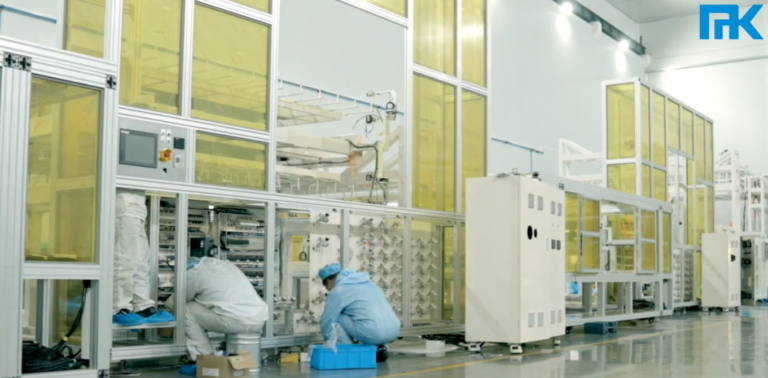
Quality control should begin with raw materials and continue through extrusion, machining, assembly, glazing and packaging. Buyers should understand how the factory controls profile dimensions, surface quality, coating consistency and assembly accuracy.
During extrusion, profile geometry should match the approved drawing. During machining, drainage and hardware openings must be positioned correctly. During assembly, corners should be aligned and secured according to the system. Gaskets should fit consistently, while hardware should operate smoothly.
Glazing should be checked for correct glass specification, orientation, seal quality and visual defects. Finished windows should be inspected before packaging. For large orders, buyers may choose pre-shipment inspection or third-party inspection depending on project requirements.
Documentation is also part of quality. The approved drawing, window schedule, packing list and inspection record should correspond with the actual shipment. This becomes especially important when hundreds of custom units are delivered to a construction site.
Powder Coating, Anodizing and Color Selection
The finish of an aluminum retrofit window affects both appearance and long-term surface protection. Powder coating is widely used because it offers a broad range of colors and textures. Anodizing can provide a distinctive metallic architectural appearance. The correct finish should be selected according to the project's environment, aesthetic requirements and maintenance expectations.
Color consistency is particularly important for large renovation projects. A building with hundreds of windows should have a consistent appearance across different production batches. Buyers should approve a physical color sample where appearance is important. The quotation should state the color reference and finish characteristics.
Dark finishes such as black and charcoal can create a contemporary appearance, while white and metallic finishes remain common in residential and commercial architecture. Custom colors may also be possible depending on the coating system and quantity.
How to Compare Aluminum Retrofit Windows Suppliers
Supplier comparison should begin with technical capability rather than price. Ask whether the manufacturer can produce the required profile, glass, finish and dimensions. Check whether engineering drawings and shop drawings are included. Determine whether custom extrusion tooling is available.
Next, evaluate quality. Request samples and inspect the frame, corners, gaskets, glass and hardware. Ask about inspection procedures. If possible, arrange a factory audit or video inspection for large projects.
Production capacity is another major factor. A factory may be able to produce a sample but struggle to manufacture thousands of units within the required schedule. Ask about production lines, lead times and current capacity.
Communication should also be evaluated. A supplier should respond clearly to drawings, technical questions and changes. Poor communication creates risk during custom production. A responsive factory can identify problems early and provide alternatives.
Finally, evaluate export experience. Packaging, labeling and shipping are critical for international projects. Ask for packaging photographs and confirm how products will be protected during transportation.
International Procurement from a Factory
Factory-direct procurement can provide competitive pricing and high customization. However, buyers should prepare a professional RFQ. The RFQ should contain the project name, destination country, quantities, opening sizes, window types, glass, finish, hardware, packaging, installation requirements and required documentation.
If the buyer is a distributor, it may be useful to create a standardized product range with several frame sizes, colors and glass configurations. This can make future purchasing easier. For project contractors, customization may be more important than standardization.
Shipping terms should be discussed early. Aluminum windows can occupy significant container volume, while glass requires careful protection. The supplier should provide a packing plan and loading information. Buyers should also understand destination-country import requirements and local building regulations.
Long-Term Value of Retrofit Windows
A retrofit window should be evaluated over its expected service life, not simply by its purchase price. Better frames, glass, hardware and installation can improve comfort and reduce maintenance. A well-designed window can also contribute to the appearance and market value of a renovated building.
For building owners, the business case may include improved occupant comfort, reduced drafts, improved façade appearance, lower maintenance requirements and better energy performance. For developers, upgraded windows can help reposition an older property. For contractors, a predictable product can reduce installation risk.
The most effective aluminum retrofit windows project is therefore a coordinated process involving building assessment, engineering, material selection, manufacturing, quality control, logistics and installation. When these stages are managed together, aluminum windows can provide a practical path for upgrading older buildings without sacrificing architectural quality.

Why Buyers Should Request a Complete Aluminum Retrofit Window Quote
A complete quotation should make the technical scope visible. Instead of receiving only a unit price, the buyer should receive information about profile system, frame dimensions, glass, thermal break, finish, hardware, packaging and delivery. This creates a reliable basis for comparison between manufacturers.
The quotation should also identify what is not included. Installation, tooling, special glass, custom colors, engineering, certification and local delivery can all affect the total cost. Clear commercial terms reduce the possibility of unexpected costs after the purchase order.
For large projects, the buyer should request a production sample or mock-up before mass production. The approved sample should become the reference standard. Any later change should be documented and approved. This process protects both sides and improves consistency.
Aluminum Retrofit Windows for Global Markets
Different markets have different terminology. Buyers in North America commonly search for “aluminum retrofit windows,” “aluminum replacement windows” and “commercial aluminum retrofit windows.” Buyers in the UK, Europe and other markets may use “aluminium retrofit windows,” “aluminium replacement windows” or “aluminium renovation windows.” Manufacturers targeting international procurement should understand these keyword variations while maintaining one technically consistent product offering.
Climate also changes the preferred configuration. Cold regions may prioritize thermal insulation and condensation control. Hot regions may emphasize solar control and ventilation. Coastal regions may require careful finish and corrosion considerations. High-wind areas may require stronger structural specifications and appropriate glass.
This is why a good aluminum retrofit windows supplier should begin with the project location and building conditions. The correct product is not necessarily the same in every country. The frame, glass, finish and installation strategy should be selected according to the project.
Final Procurement Checklist
Before placing an order, buyers should confirm the final window schedule, dimensions, profile drawings, glass configuration, thermal requirements, finish, hardware, accessories, installation method, packaging, quantity, delivery terms and inspection process. The purchase order should refer to the approved technical documents.
If custom aluminum profiles are used, tooling drawings should be approved. If special glass is specified, the exact glass build-up should be listed. If a particular coating standard is required, the finish should be identified clearly. If products are delivered according to floor or elevation, packaging labels should match the installation schedule.
These steps may appear detailed, but they protect the buyer from the most common retrofit procurement problems: incorrect dimensions, incompatible glass, missing accessories, inconsistent colors, damaged products and unclear installation requirements.
For contractors, developers, distributors and procurement managers, aluminum retrofit windows are more than replacement products. They are part of a building-envelope upgrade strategy. When the product is correctly engineered, manufactured and installed, it can combine the structural advantages of aluminum with improved thermal performance, modern architectural design and long-term project value.