Specialized in the production and supply of a full range of aluminum profiles and metal fabrication

aluminum double hung windows
Aluminium Window Company | Custom Aluminium Windows Manufacturer & Supplier HOME PRODUCTS NEWS ABOUT US…
Specialized in the production and supply of a full range of aluminum profiles and metal fabrication
Specialized in the production and supply of a full range of aluminum profiles and metal fabrication

Source high-performance aluminum sliding glass doors for residential, commercial, hospitality and architectural projects. Compare profiles, glass configurations, thermal performance, hardware, customization, manufacturing capability and international purchasing considerations before placing your order.
Get a quoteThis section addresses commercial, technical and procurement questions buyers commonly ask when sourcing aluminum sliding glass doors from manufacturers and international suppliers.
Aluminum sliding glass doors are designed for projects where buyers need a combination of large glass areas, structural stability, clean architectural lines and reliable long-term operation. Compared with many conventional materials, aluminum allows manufacturers to engineer relatively slim frames while retaining the rigidity needed for large door panels. This is especially important for villas, apartments, hotels, restaurants, offices, commercial showrooms and other buildings where the relationship between indoor and outdoor spaces is part of the architectural concept.
One of the strongest commercial reasons to specify an aluminum sliding glass door is its visual appearance. Slim interlocks and narrow frame proportions can increase the perceived glass-to-frame ratio. For architects and developers, this can create a cleaner façade and improve daylight penetration. Buyers searching for slim aluminum sliding glass doors, modern aluminum patio doors or large glass sliding doors with aluminum frames should compare the actual sightline dimensions rather than relying only on marketing terms.
A sliding configuration moves panels along a track instead of requiring a large swing radius. This can improve furniture planning and circulation around terraces, balconies, gardens and interior partitions. For high-volume projects, the correct track configuration can also affect panel weight distribution, drainage and installation requirements.
The same basic concept can be adapted for different purchasing requirements. Residential buyers may prioritize appearance, thermal comfort, security and ease of operation. Commercial buyers may place more emphasis on durability, hardware cycles, testing, project documentation and replacement availability. A good manufacturer should therefore offer several profile depths, glass options, hardware packages and finish choices instead of forcing every project into one standard configuration.
Before asking for an aluminum sliding glass door price, provide opening width and height, number of panels, track arrangement, glass specification, desired thermal performance, color, hardware, installation location and estimated quantity. The more complete the specification, the less likely the quotation will change later because of hidden options or engineering requirements.
A thermal-break aluminum sliding glass door separates interior and exterior aluminum sections with an insulating material, reducing direct conductive heat transfer through the frame. Buyers in colder or hotter climates should ask whether the quoted system is thermally broken and request the relevant tested performance documentation.
U-value is one useful metric when comparing thermal performance, but buyers should avoid evaluating the frame alone when the final product consists of frame, glass, spacer, seals and hardware. Ask for whole-door or door-set performance where applicable. Regional building codes may establish specific performance thresholds.
Large sliding panels create engineering challenges because the system must balance smooth movement with sealing performance. Procurement specifications should therefore cover air permeability, water tightness and resistance to wind load where relevant. Project location, building height and exposure can change the required specification.
Quality gaskets, interlocking profiles, drainage channels and correctly designed thresholds are essential for long-term performance. Buyers should ask how water is directed away from the track and whether the system has been tested under realistic conditions.
The cheapest aluminum sliding glass door is not necessarily the lowest-cost solution over the life of a building. A lower initial price may involve thinner profiles, simpler rollers, weaker hardware or fewer documentation options. Commercial procurement should consider purchase price, shipping, installation, maintenance, replacement parts, warranty and expected service life together.
Double-glazed units are commonly selected when buyers need improved thermal and acoustic performance compared with single glass. The final configuration should be determined according to climate, building regulations, opening size and the required performance target.
Triple glazing can provide additional insulation and acoustic benefits, but it also increases weight. That weight must be considered when selecting rollers, tracks, panel dimensions and hardware. Buyers should confirm the maximum tested glass thickness and panel weight with the manufacturer.
Safety requirements can make laminated or tempered glass preferable to ordinary annealed glass. Laminated glass can also provide useful acoustic and security characteristics. The correct safety-glass specification should follow the destination market and project requirements.
Low-E coatings can improve energy performance, while solar-control glass can reduce unwanted solar heat gain in hot climates. The correct glass selection depends on orientation, climate, shading and HVAC strategy. A professional manufacturer should help buyers balance visible light transmission, solar control, insulation and appearance.
Large glass panels are visually attractive but introduce greater structural and handling requirements. When sourcing large aluminum sliding glass doors, always confirm maximum panel dimensions, glass thickness, maximum sash weight, packaging method and installation equipment requirements.
Rollers determine how smoothly the panels move and how effectively the door handles long-term use. For commercial applications, buyers should ask about roller material, bearing design, adjustment range and rated load.
Security hardware can include single-point or multi-point locking systems. The correct configuration depends on the market, door size and security requirements. Buyers should specify whether the hardware needs to support a particular cylinder, handle design or local security standard.
Soft-close mechanisms can improve user experience by reducing impact at the end of travel. They are particularly attractive for premium residential, hospitality and interior applications. However, buyers should verify the maximum supported panel weight.
Low thresholds can improve accessibility and create a cleaner transition between indoor and outdoor areas. The trade-off is that drainage and weather protection must still be engineered correctly. Buyers should request section drawings before approving low-threshold designs.
International buyers should consider spare-part availability before selecting a system. Rollers, locks, handles, gaskets and other wear components should be identified by part number whenever possible. A supplier capable of providing long-term replacement support can reduce project maintenance risk.
Architectural openings rarely follow a single standard size. A capable manufacturer should be able to engineer different panel widths and heights within tested system limitations. Always distinguish between a theoretically possible dimension and a dimension covered by actual testing.
Common options include powder coating, anodizing and specialized metallic or textured finishes. Color matching should be confirmed using recognized international references where applicable. Buyers working on multiple buildings should also request sample panels before mass production.
Two-track, three-track, multi-panel and pocket-style configurations can serve different architectural purposes. Pocket systems require additional wall or structural planning because the panels disappear into a concealed cavity.
Distributors and building-material brands may require OEM manufacturing, private-label packaging, custom labels, customized handles or project-specific documentation. These requirements should be agreed before production begins.
For large developments, the manufacturer should review architectural drawings, opening schedules, wind-load conditions, glass specifications and installation details. Engineering support can prevent expensive changes after production has started.
A professional RFQ should contain dimensions, quantity, glass, profile system, finish, hardware, destination, packaging requirements and applicable standards. This creates a comparable basis for supplier evaluation.
Ask about manufacturing capacity, extrusion sources, glass suppliers, fabrication equipment, quality inspection, project references and export experience. A low quotation can become expensive if it leads to dimensional errors, glass breakage, missing accessories or delayed replacement parts.
Before mass production, buyers should approve shop drawings, finish samples, glass samples and hardware configurations. For customized projects, a physical sample or mock-up can provide valuable confirmation.
A structured quality-control process should inspect incoming aluminum, extrusion dimensions, coating, glass, machining, assembly, hardware, diagonals, operation and packaging. Inspection records should be retained for traceability.
Doors are large, heavy and vulnerable to transport damage. Packaging should protect corners, glass and finished surfaces. Buyers should also clarify container loading, palletization, labeling and unloading requirements before shipment.
Use this table as a procurement framework. Final performance values should always be confirmed against the specific manufacturer's tested system.
| Specification | Standard Residential | Premium Residential | Commercial / Project | What Buyers Should Verify |
|---|---|---|---|---|
| Frame | Aluminum | Thermal-break aluminum | Engineered architectural aluminum | Profile series and wall thickness |
| Glass | Double glazing | Low-E / laminated / double | Double or triple insulated glass | Thickness, coating and safety specification |
| Tracks | 2-track | 2 or 3-track | Multi-panel configurations | Panel arrangement and drainage |
| Hardware | Standard rollers | Heavy-duty rollers | Project-rated hardware | Load rating and replacement availability |
| Security | Basic lock | Multi-point options | Project-specific security | Testing and local requirements |
| Finish | Powder coating | Powder coating / anodizing | Specified architectural finish | Color reference and coating standard |
| Customization | Limited | High | Engineering-based | Shop drawings and technical support |
| Best For | Homes and apartments | Luxury homes and villas | Hotels, offices and developments | Project application and local code |
Aluminum sliding glass doors combine several characteristics that make them attractive for residential, commercial and architectural projects. The first advantage is structural efficiency. Aluminum provides a strong and relatively light frame material, allowing manufacturers to create large openings while maintaining controlled frame dimensions. The second advantage is design flexibility. Buyers can specify different panel arrangements, profile depths, colors, glazing packages, handles and hardware configurations. This makes the product suitable for everything from standard residential patio doors to large architectural openings. Another major advantage is the ability to use thermal-break construction, which can improve thermal performance compared with basic non-thermally-broken systems. Aluminum is also resistant to many environmental conditions and does not have the same moisture-related swelling characteristics associated with some organic frame materials. For commercial buyers, the combination of durability, customization and modern appearance can support premium positioning. However, buyers should not evaluate aluminum sliding glass doors by material name alone. Profile design, alloy, wall thickness, thermal break, glazing, rollers, seals and manufacturing quality all influence the final product. The correct selection should therefore be based on tested performance, project requirements and long-term service considerations rather than the lowest initial quotation.
For a large project, the purchasing process should begin with a complete technical schedule rather than a simple request for a unit price. Start by identifying the number and dimensions of each opening, the required number of panels, track configuration, glass type, color, hardware and installation location. Then determine the project's environmental and regulatory requirements. Coastal developments may require additional attention to corrosion resistance and coating quality, while high-rise or exposed sites may require more demanding wind-load calculations. Thermal performance should also be considered in relation to the local climate and building requirements. Once the specification is defined, request quotations from several suppliers using the same specification so that the prices are genuinely comparable. Ask each manufacturer to provide section drawings, technical data, testing documents, warranty conditions and information about maximum panel size and weight. For customized systems, approve shop drawings before production. Large projects should also include a quality-control plan covering aluminum, glass, hardware, assembly and packaging. Finally, evaluate the manufacturer's capacity and export experience. A supplier may have an attractive sample but still lack the production organization required for hundreds or thousands of doors. The best supplier is normally the one that can combine engineering, quality consistency, communication, production capacity and after-sales support with competitive total landed cost.
The best glass depends on climate, safety requirements, acoustic targets, energy-performance objectives, opening size and local regulations. Double insulated glass is a practical choice for many residential and commercial applications because it provides a balance between thermal performance, weight and cost. Low-E coatings can improve insulation, while solar-control glass can help manage solar heat gain in warmer climates. Laminated glass can provide additional safety and acoustic characteristics, while tempered glass is commonly selected where impact safety requirements apply. Triple glazing can be useful for cold climates or high-performance buildings, but it is heavier and therefore requires a compatible door system, roller assembly and structural design. Large sliding panels need special attention because glass weight increases quickly as dimensions increase. Buyers should therefore provide exact glass composition rather than simply asking for “thick glass.” The specification may need to include pane thickness, spacer, coating position, gas fill, laminated interlayer, edge treatment and safety classification. For international projects, the buyer should also confirm whether the glass standard and certification are accepted in the destination market. A professional aluminum door manufacturer should be able to review the glass specification against the door system's maximum weight, thickness and tested configuration before mass production.
Aluminum sliding glass doors can be suitable for coastal environments, but the specification should be upgraded according to the exposure conditions. Salt-laden air can accelerate corrosion of metals and can affect hardware, fasteners and surface finishes. Buyers should therefore ask about the aluminum alloy, pretreatment, powder-coating or anodizing process, coating thickness, hardware material and corrosion-resistance testing where appropriate. Hardware should be selected carefully because rollers, locks, screws and handles can become weak points even when the aluminum frame itself has good corrosion resistance. Stainless-steel components may be preferable for certain coastal applications, but the exact grade should be confirmed rather than assumed. Surface preparation is equally important because coating performance depends heavily on pretreatment and application quality. Buyers should also consider maintenance. Even a high-quality coastal door benefits from regular cleaning to remove salt deposits and contaminants. The manufacturer should be informed of the actual installation environment, especially if the project is directly exposed to sea spray. For premium coastal villas, resorts and hotels, it is often worth requesting finish samples and technical recommendations before production. A supplier that understands environmental exposure can recommend a more appropriate finish and hardware package instead of simply supplying its standard residential configuration.
When comparing aluminum sliding door manufacturers, buyers should evaluate the complete supply capability rather than comparing only the price per square meter. First, verify whether the company is an actual manufacturer, system fabricator, distributor or trading company. Ask for factory information, production photographs, machinery information and examples of completed projects. Second, evaluate the aluminum profile system, glass processing capability, hardware sourcing and assembly process. Third, request technical documents showing the available sizes, maximum panel weights, thermal performance, air and water performance and applicable testing. Fourth, inspect the company's quality-control process. Important checkpoints include incoming material inspection, profile dimensions, coating quality, glass inspection, machining accuracy, assembly, operation testing and packaging. Fifth, review customization capability. A supplier that can provide drawings, OEM production, custom colors and project engineering may be more useful than a supplier offering only standard sizes. Sixth, assess communication and documentation. International procurement requires clear drawings, packing lists, invoices, installation instructions and shipping coordination. Finally, evaluate after-sales support and replacement parts. The cheapest supplier can become expensive if replacement rollers or locks are unavailable. A good comparison should therefore consider quality, engineering, production capacity, delivery reliability, documentation, warranty, spare parts and total landed cost.
There is no single reliable international price for aluminum sliding glass doors because the final cost depends on many variables. The most important factors include opening dimensions, aluminum profile system, thermal-break design, glass specification, number of panels, track configuration, hardware, surface finish, customization, quantity, packaging and destination. A standard residential door can have a very different cost from a large architectural lift-and-slide system with oversized laminated glass and premium hardware. International buyers should also separate factory price from total landed cost. Freight, insurance, duties, local handling, installation and potential project engineering can significantly affect the final budget. When requesting a quotation, provide a detailed specification and ask the supplier to separate major cost components where practical. Buyers should also request a sample or technical approval before committing to a large order. Comparing prices based only on square meters can be misleading because two products with the same visible dimensions may contain different aluminum thicknesses, glass compositions and hardware systems. For a professional procurement process, the better question is not simply “what is the cheapest aluminum sliding glass door?” but “which supplier provides the required performance and quality at the lowest reliable total cost?” This approach reduces the risk of quality problems and unexpected charges later.
Yes, aluminum sliding glass doors can often be customized for OEM, distributor and architectural projects, provided the requested configuration is technically compatible with the underlying system. Common customization areas include overall dimensions, panel quantity, track arrangement, glass composition, frame color, handle design, locks, thresholds, packaging, labels and project documentation. OEM buyers should define the desired customization before production because some changes require new tooling, engineering review or special purchasing. For example, a custom color may require an approved sample and minimum order quantity, while a different glass thickness may affect panel weight and roller selection. Private-label buyers may also require branded packaging, labels and installation manuals. For large projects, customization should be controlled through approved technical drawings rather than verbal instructions. The drawing should show opening dimensions, frame sections, glass build-up, drainage, hardware, handles, lock positions and critical tolerances. Buyers should also confirm whether the customized configuration has been tested or whether it is a project-specific engineering solution. A reliable OEM manufacturer should explain these limitations clearly. The goal is not maximum customization at any cost, but controlled customization that preserves structural integrity, weather performance, operating reliability and manufacturing consistency.
A detailed RFQ can significantly improve quotation accuracy and reduce clarification cycles. At minimum, include the project country, application, estimated quantity, opening schedule, width and height of each door, number of panels, sliding direction, track configuration and desired frame color. Glass requirements should identify whether the project needs double or triple glazing, tempered or laminated safety glass, Low-E coating, acoustic performance or solar-control characteristics. The RFQ should also mention thermal requirements, wind exposure, security expectations and any required certification or testing. If the doors are part of a larger architectural project, provide drawings or elevations where available. Specify whether the supplier must provide shop drawings, installation instructions, samples or engineering calculations. Commercial terms should include desired Incoterm, destination port, packaging expectations, target delivery schedule and whether the supplier must provide installation support. For OEM projects, include branding, labels and packaging requirements. The more complete the RFQ, the easier it becomes for manufacturers to quote accurately and for buyers to compare multiple suppliers fairly. A good RFQ should make the supplier understand not only what product is wanted, but also the environment in which it will be installed and the commercial expectations surrounding delivery, documentation and after-sales support.
Hover over each card to rotate it and explore the material or production stage.
Structural profiles engineered for strength, dimensional stability and architectural appearance.
The aluminum profile determines much of the door's structural and visual performance. Buyers should review profile geometry, wall thickness, thermal break design and maximum tested panel dimensions.
Insulated, tempered, laminated and performance glazing options.
Glass should be processed according to the approved specification. Cutting, tempering, laminating, insulating-unit assembly and inspection all influence the final door.
Powder coating, anodizing and project-specific architectural finishes.
Consistent pretreatment, coating thickness, curing and color inspection are important for maintaining appearance and corrosion resistance.
Precision machining, hardware installation, glazing and final inspection.
Final inspection should verify dimensions, diagonals, rollers, locks, seals, glass condition, panel movement and packaging before shipment.
Aluminum sliding glass doors have become an important architectural product for residential developments, luxury villas, hotels, restaurants, offices, commercial buildings and modern renovation projects. The product combines large areas of glass with an aluminum frame and a sliding mechanism, allowing architects and developers to create wide openings while preserving valuable floor space. For international buyers, however, choosing an aluminum sliding glass door is more complicated than selecting a frame color and glass size. The door is a complete engineered system involving profiles, thermal breaks, glass, rollers, tracks, locks, gaskets, drainage, finishes, packaging and installation. A successful procurement decision therefore requires technical evaluation as well as commercial comparison.
The phrase aluminum sliding glass doors covers a wide range of products. Some are designed for standard residential patios, while others are engineered for oversized architectural openings. Some systems prioritize thermal performance, while others emphasize ultra-slim sightlines, heavy glass panels, minimal thresholds or high-frequency commercial operation. Buyers should therefore avoid treating every product with the same keyword as technically equivalent.
A procurement team should first establish the intended application. A small balcony door in an apartment has very different requirements from a ten-meter opening in a luxury villa. A hotel door may be opened hundreds of times each day, while an internal residential partition may experience much lower operating cycles. A coastal property also introduces different corrosion considerations compared with an inland project. The application determines the system specification.
Aluminum is attractive for sliding doors because it offers a useful balance between strength, weight, formability and appearance. The material can be extruded into complex profile shapes, allowing manufacturers to create tracks, frames, interlocks, drainage channels and glazing pockets within a coordinated system. This flexibility supports modern architectural designs where large glass surfaces and relatively narrow frame lines are important.
Another benefit is surface-finish flexibility. Depending on the system, buyers may select powder-coated colors, anodized finishes, metallic effects or other architectural treatments. This gives designers significant control over the appearance of the finished building. However, buyers should remember that a beautiful finish does not automatically mean high performance. Pretreatment, coating process, coating thickness, curing and quality control all influence the durability of the surface.
Thermal-break construction is one of the most important technical concepts when purchasing aluminum doors for exterior applications. Aluminum conducts heat efficiently, so a basic aluminum frame can create a significant thermal bridge between inside and outside. A thermal break introduces an insulating barrier between the interior and exterior aluminum sections, reducing direct heat transfer.
The effectiveness of a thermal-break system depends on its complete design, not merely the presence of an insulating strip. Profile geometry, thermal barrier size, glass spacer, glazing configuration, gaskets and installation details all contribute to the final performance of the door. Buyers should therefore request tested or calculated performance information for the actual door configuration being purchased.
Climate should also influence the specification. A cold-climate project may prioritize heat retention, while a hot climate may place greater emphasis on solar control. In mixed climates, the design needs to balance insulation, solar gain, ventilation and daylight. This is why professional manufacturers should review the project's location before recommending the final glazing package.
Glass is not simply an aesthetic component. It can account for a large percentage of the total panel weight. As the glass area increases, the weight of the sliding sash can rise substantially. That weight affects roller selection, track design, frame strength, installation handling and long-term operation.
For general residential applications, insulated double glazing may provide a reasonable balance between performance and cost. For high-performance projects, triple glazing can offer additional insulation, although the increased weight must be supported by a compatible system. Laminated glass can provide safety and acoustic benefits, while tempered glass is commonly used where impact safety is required.
Low-E coatings can improve thermal performance, while solar-control coatings can reduce unwanted heat gain. The right combination depends on the project's orientation and climate. A buyer should not simply request “best glass.” Instead, the RFQ should identify the required performance and allow the manufacturer to propose a compatible configuration.
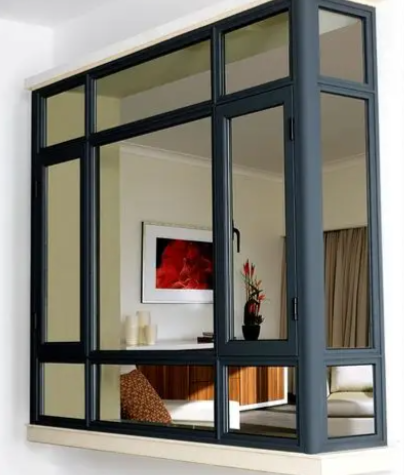
Large aluminum sliding glass doors are one of the most demanding categories because every component must work together. Oversized panels require accurate fabrication, appropriate reinforcement, heavy-duty rollers and reliable tracks. Installation is also more complicated because the finished panel may be too heavy for manual handling.
Buyers considering oversized systems should ask manufacturers for the maximum tested panel height, maximum width, maximum panel weight and permitted glass thickness. These numbers should be documented rather than estimated. If a supplier says that a door can be made in any size, the buyer should ask how that size has been engineered and whether testing applies to the proposed configuration.
Two-track systems are common for simpler openings. Three-track systems can allow more flexible panel stacking and larger clear openings. Multi-panel configurations can create impressive architectural openings, but they require more detailed planning of panel overlap, track drainage and installation sequence.
Pocket-style systems can hide sliding panels inside walls, creating a very clean opening. However, the architectural structure must accommodate the pocket and the waterproofing strategy must be carefully coordinated. This illustrates an important purchasing principle: the door should be selected together with the building design rather than treated as an isolated product.
Rollers are among the most important components in a sliding glass door. Even a strong aluminum frame can perform poorly if the roller system is underspecified. Buyers should ask about rated load, bearing design, adjustment range, material and replacement availability.
The track also needs to remain clean and correctly aligned. Drainage should prevent standing water from accumulating around the sliding mechanism. Gaskets and interlocks must provide sealing without creating excessive friction. Premium systems often use carefully engineered components to balance weather protection and smooth movement.
Locks should also be considered as part of the overall security strategy. Depending on the project, buyers may choose single-point or multi-point locking, different cylinder formats and different handle designs. For international projects, compatibility with local hardware standards should be confirmed early.
Security is influenced by more than the lock. The frame, glass, interlock, hardware, fixing method and surrounding structure all contribute to the security of the opening. Laminated glass can provide additional resistance to breakage, while multi-point locking can improve resistance against forced entry when properly engineered.
Buyers should request applicable security testing where the project requires it. If a door is being supplied for a high-value residential development, hotel or commercial property, the security specification should be written into the purchase agreement instead of being left as an assumption.
Exterior sliding doors must manage air, water and wind. Large glass openings can experience significant wind pressure, particularly in high-rise or exposed buildings. Water can enter through tracks or joints if drainage is poorly designed or if installation is incorrect.
This is why buyers should ask for technical documentation relating to air permeability, water tightness and wind resistance where relevant. Testing should ideally correspond to the actual configuration and not simply a generic profile claim.
Coastal environments require additional consideration because salt and humidity can accelerate corrosion. Aluminum itself forms a protective oxide layer, but the complete door includes multiple metals and finishes. Rollers, fasteners, screws, locks and other components can become corrosion points.
For coastal projects, buyers should specify suitable pretreatment, coating systems and hardware. Regular cleaning should also be included in the maintenance plan. A supplier that knows the installation environment can usually provide better recommendations than a supplier quoting a generic standard package.
Powder coating offers extensive color flexibility and is widely used for architectural aluminum. Anodizing creates a different surface appearance and can be particularly attractive when the natural aluminum character is desired. The correct finish depends on appearance, environment, budget and project requirements.
Color consistency is especially important for large developments. A buyer should approve a physical sample where the exact appearance matters. Digital screens can produce inaccurate color representations, so a physical reference is safer for mass production.
Distributors and building-material companies may purchase aluminum sliding glass doors under their own brand. OEM projects can include customized packaging, labels, handles, colors and documentation. However, customization should be controlled through engineering drawings.
A professional OEM relationship normally includes sample approval, technical drawing approval, quality standards, packaging requirements and a clear process for handling design changes. This reduces the possibility of production continuing according to an outdated specification.
When sourcing from an international manufacturer, buyers should investigate the production process. A factory visit is useful when the order value is large enough to justify it, but even remote buyers can request photographs, videos, production information, machinery lists and quality-control records.
Important areas include aluminum cutting, CNC machining, corner assembly, glass processing, coating, hardware installation, glazing, inspection and packaging. The factory should be able to explain how each process is controlled.
Quality control should begin with incoming materials. Aluminum profiles should be checked for dimensions and surface defects. Glass should be checked for size, thickness, visual defects and correct composition. Hardware should be verified against the approved bill of materials.
During assembly, dimensions, diagonals, corner joints, rollers, locks and seals should be inspected. The final door should be checked for smooth operation and visible damage. Packaging should protect the glass and finished surfaces during international transportation.
Large sliding doors create unusual logistics requirements. Glass can be damaged by impact or vibration, while finished aluminum surfaces can be scratched by movement inside the container. Protective film, corner protection, foam, separators and suitable crates or pallets can reduce shipping risk.
Buyers should agree on packaging before production. If the supplier is responsible for container loading, the loading arrangement should also be considered. Correct weight distribution can make unloading safer and can reduce damage.
A quotation comparison should use a standardized specification. If one supplier quotes double glazing and another quotes a different glass package, the prices cannot be compared directly. The same applies to thermal breaks, hardware, coating and packaging.
A procurement spreadsheet should include product price, glass specification, hardware, finish, packaging, shipping terms, lead time, warranty, spare parts and documentation. Buyers can then calculate total landed cost instead of focusing only on factory price.
Sliding doors contain many moving and precision components. A low-cost door may appear attractive during quotation but can generate higher maintenance costs if rollers wear prematurely, seals fail or replacement hardware is difficult to source. For a developer, a door failure can also create installation delays and customer complaints.
The best procurement strategy is usually value-based rather than purely price-based. The supplier should meet the technical requirements while providing reliable manufacturing and after-sales support at a competitive total cost.
Professional projects often require more documentation than a standard residential purchase. Buyers may need technical drawings, product specifications, glass declarations, finish information, testing documents, packing lists, installation instructions and warranty documentation.
Documentation should be considered during supplier selection. A manufacturer that can provide complete and organized technical files can save significant time for architects, engineers and project managers.
Even an excellent door can perform poorly if installed incorrectly. The opening must be prepared accurately, the frame must be level and square, and the drainage and sealing details must be correctly executed. Heavy glass panels may require lifting equipment.
For international projects, buyers should determine whether the supplier provides installation guidance or technical support. If local installers are responsible, the supplier should provide sufficient drawings and instructions for the installation team.
Sliding doors should be included in the building's maintenance plan. Tracks should remain clean, rollers should be inspected and seals should be checked for deterioration. Coastal installations may need more frequent cleaning.
For large developments, the buyer should keep a spare-parts inventory. Rollers, locks, handles, gaskets and other wear components should be identified using clear part numbers. This can make future maintenance significantly easier.
The ideal aluminum sliding glass door supplier is not simply the company with the lowest quotation. It is the supplier that can understand the project, translate architectural requirements into a reliable product specification, manufacture consistently, document performance, package safely and support the buyer after delivery.
International buyers should compare at least several suppliers where project value justifies the additional work. The comparison should consider technical capability, customization, factory capacity, quality control, certifications, delivery performance, communication and total cost.
A strong manufacturer should also be willing to discuss limitations. For example, if an oversized panel exceeds the tested weight of a particular roller system, the supplier should explain the limitation instead of promising an unverified solution. Transparent engineering communication is a valuable indicator of supplier quality.
Distributors can use aluminum sliding glass doors as a premium architectural product category because the product offers many opportunities for upselling. Buyers may begin with a standard door and then upgrade to thermal break profiles, larger glass, premium hardware, custom finishes, acoustic glass or concealed drainage.
A distributor should therefore build a clear product hierarchy. Standard products can address price-sensitive residential demand, while premium systems can target villas, hotels and architects. The product information should clearly explain the differences so customers understand why one system costs more than another.
For online buyers, search terms such as aluminum sliding glass doors, aluminum sliding patio doors, slim aluminum sliding doors, thermal break sliding doors, large aluminum glass doors, modern aluminum sliding doors, custom aluminum sliding glass doors and aluminum sliding doors for villas represent different stages of the purchasing journey.
A manufacturer website should provide dedicated information for each commercially meaningful intent instead of publishing one short generic product paragraph. Technical guides, comparison tables, project applications, FAQ content and supplier information can help buyers move from research to RFQ.
Before approving an order, confirm the final dimensions, number of panels, track configuration, opening direction, glass composition, profile system, thermal-break configuration, hardware, handles, locks, color, surface finish, drainage, threshold, packaging, labels, documentation and delivery terms. For customized products, confirm that the latest approved drawing is the drawing being used for production.
Also confirm the warranty period and the process for reporting defects. Clarify whether spare parts are available and how replacement components will be identified. These details are particularly important for international projects because resolving a problem after installation can be expensive.
Ultimately, aluminum sliding glass doors are a system product rather than a simple commodity. Successful procurement comes from matching the system to the building, climate, glass requirement, architectural design and commercial objective. Buyers who evaluate engineering, manufacturing, quality, logistics and after-sales support together are more likely to achieve a reliable long-term result.
This is a research shortlist rather than a universal quality ranking. Buyers should independently verify the suitability of each supplier for their market, project size and required specification.
Germany-based architectural systems brand known for premium aluminum windows, doors and sliding systems.
Belgian architectural aluminum systems supplier with high-end sliding and lift-and-slide solutions.
International aluminum systems supplier offering sliding, window and door solutions for residential and commercial markets.
Global architectural products group offering aluminum window and door systems across multiple markets.
European aluminum architectural systems company with extensive window and sliding door solutions.
Spanish aluminum systems manufacturer serving architectural and residential markets.
International aluminum architectural systems brand with a strong presence in premium building projects.
Premium door and window brand known for large-format aluminum residential systems.
European window and door manufacturer serving premium residential and architectural markets.
China remains a major sourcing market, with large numbers of aluminum door and window manufacturers offering custom fabrication and export-oriented OEM production.
Current trade-data sources show substantial international supplier activity in aluminum sliding doors, with China and Vietnam among significant sourcing markets. Supplier counts vary according to product classification and trade period, so buyers should treat trade directories as research tools rather than quality rankings.
Explore related products and architectural systems available from our WooCommerce catalog.


A structured purchasing process helps importers, developers, distributors and contractors reduce technical and commercial risk.
Confirm dimensions, quantity, opening configuration, application, climate, glass, thermal target, security, color and installation location.
Compare manufacturer capability, engineering support, factory capacity, quality control, export experience and after-sales support.
Review section drawings, glass specifications, hardware, finishes, drainage, maximum panel size and project-specific engineering.
Approve samples and, where necessary, verify performance, finish, hardware operation and glass configuration before mass production.
Use approved drawings and inspection checkpoints for profiles, glass, machining, assembly, hardware, dimensions and packaging.
Check quantity, dimensions, appearance, glass, hardware, labels, accessories, packing condition and documentation before shipment.
Coordinate loading, unloading, site storage, lifting equipment and installation instructions to reduce damage and delays.
Keep warranty information, spare parts, maintenance instructions and product identification records for future service.
Read related articles, technical guides, sourcing information and architectural updates from our website.
Aluminium Window Company | Custom Aluminium Windows Manufacturer & Supplier HOME PRODUCTS NEWS ABOUT US…
The following external sources provide recent industry developments relevant to aluminum sliding doors, architectural glazing and the fenestration market.
AluK has introduced an upgraded BSC94 HI sliding door aimed at replacement and new-build applications, with a larger thermal break and revised fabrication features.
Read source → Glazing TodayVision Magazine reports on the updated AluK sliding system, including slim sightlines, thermal-break development and fabrication considerations.
Read source → Vision MagazineIndustry coverage highlights growing interest in brighter, more open living spaces and premium aluminum glazing solutions with larger glazed areas.
Read source → Window NewsMercury Glazing has expanded its aluminum portfolio with the Stellar system, reflecting continued development of premium aluminum fabrication capabilities.
Read source → Window NewsWindow News continues to report developments across aluminum windows, doors, sliding systems, manufacturing and architectural glazing.
Read source → Window News AluminiumRecent industry coverage includes new inline patio door products, testing, manufacturing investment and changing requirements across the glazing sector.
Read source → Window NewsSend your dimensions, quantity, glass specification, preferred finish and destination market. Our team can help you evaluate the appropriate aluminum sliding glass door configuration for your project.
Get a quote