Specialized in the production and supply of a full range of aluminum profiles and metal fabrication

Understanding the Value of Double Hung Aluminum Windows
Double hung aluminum windows combine a traditional vertically sliding operating concept with the structural and finishing advantages of aluminum. The defining feature is the use of two movable sashes. The upper sash and lower sash can normally operate independently, allowing users to adjust ventilation according to indoor conditions. For buyers, this configuration creates a balance between familiar architectural appearance, ventilation flexibility, maintenance access and efficient use of space.
Aluminum is particularly useful in architectural window manufacturing because it provides a strong frame platform while supporting a broad range of extrusion shapes, finishes and glazing configurations. A properly engineered system can be adapted to residential houses, apartment buildings, commercial facilities, schools, renovation projects and other building types. The final product, however, should always be evaluated as a complete assembly. A strong aluminum extrusion cannot compensate for an unsuitable glass specification, poor weather sealing or an undersized sash balance.
This is why professional procurement should begin with a performance specification. Before asking a factory for its lowest price, the buyer should define the window dimensions, operating configuration, glass requirements, finish, hardware, performance targets, packaging and delivery terms. Once those requirements are standardized, suppliers can be compared on an equal basis. This approach also reduces the risk of changing the product after the purchase order has already been released.
Why Buyers Consider Aluminum for Double Hung Window Projects
Aluminum offers a combination of strength, dimensional stability, corrosion resistance and low routine maintenance that makes it attractive for many architectural applications. Unlike materials that can swell or warp significantly when exposed to moisture, a properly finished aluminum frame maintains predictable dimensions over a long service period. This is important when a project includes hundreds or thousands of windows that must fit consistently during installation.
Another advantage is design flexibility. Aluminum extrusion technology allows manufacturers to create frame and sash profiles with carefully controlled dimensions. These profiles can accommodate glazing pockets, drainage channels, gaskets, thermal barriers and hardware interfaces. Surface treatment can then create different architectural appearances, from minimalist contemporary designs to traditional colors and textures.
For international buyers, aluminum also provides flexibility across different market requirements. The same basic double hung concept can be adapted with different glass packages, frame depths, finishes, hardware and weather-sealing strategies. This makes it easier for a manufacturer to develop a project-specific solution rather than forcing every project into one fixed catalog configuration.
Thermal Break Technology and Energy Performance
Standard aluminum is a highly conductive material, which means a direct aluminum path between the exterior and interior can transfer heat efficiently. Thermal break construction addresses this issue by introducing an insulating barrier between sections of the aluminum profile. The purpose is to reduce conductive heat flow through the frame and improve the overall thermal behavior of the window.
A thermal break should not be treated as a marketing label. Buyers should review the actual profile section, barrier configuration, glazing system and complete window performance. The thermal result depends on the interaction of the frame and glass. A highly insulated frame combined with poorly specified single glazing may not deliver the same result as a balanced thermal break system combined with properly selected insulated Low-E glass.
Climate should influence glass selection. A project in a hot region may prioritize solar control and reduced heat gain, while a cold climate may place greater emphasis on reducing heat loss. Buildings in mixed climates may require a balanced solution. Procurement managers should provide the supplier with the project location and energy-performance target so that the technical team can recommend a suitable combination rather than simply selling the most expensive glass package.
Glass Selection for Double Hung Aluminum Windows
Glass can represent a significant part of the window's performance and cost. Therefore, a buyer should specify the glass as carefully as the aluminum profile. Double glazing can provide a major improvement over single glazing by introducing an insulating cavity between panes. Low-E coatings can further modify heat transfer and solar behavior. Argon filling may also be specified for suitable insulated glass units.
Safety requirements must also be considered. Tempered glass can provide increased resistance to thermal and mechanical stress, while laminated glass can help with safety retention and acoustic performance. The correct glass is determined by the opening location, building code, human impact risk, wind exposure, acoustic target and architectural design.
Large projects should approve a physical glazing sample. Visual differences between glass coatings can be difficult to understand from a quotation alone. A sample allows architects and procurement teams to evaluate reflection, color, transparency, grid proportions and hardware together. Once approved, the glass specification should be frozen before mass production to avoid inconsistent appearance across different production batches.

Hardware, Balance Systems and Long-Term Operation
The balance system is a critical part of any double hung aluminum window. The mechanism supports the sash and makes vertical movement practical. If the balance is not correctly matched to sash weight, operation can become difficult and the user experience can deteriorate. This is why changing from standard glass to a significantly heavier laminated or triple-glazed configuration may require a corresponding hardware review.
Buyers should ask suppliers to identify the balance system being proposed and to confirm its intended sash-weight range. They should also request information about serviceability. A commercial project may remain in operation for many years, and maintenance teams need to know how replacement hardware can be obtained.
Locks, handles, tilt latches and restrictors should be evaluated in the same way. Hardware should provide appropriate security while remaining easy for occupants to operate. For schools and institutional buildings, opening restrictors may be particularly important. For hotels and high-end residential developments, hardware finish and operating smoothness may have a greater influence on the purchasing decision.
Weather Sealing and Water Management
A high-quality aluminum frame is only one part of weather performance. Air and water can enter through the interfaces between frame and sash, through poorly sealed corners or through incorrect installation. Therefore, the weather-sealing design should be reviewed in the technical drawing.
Gaskets and weatherstripping should create continuous sealing paths around the appropriate areas. At the same time, the window needs drainage routes that allow incidental water to leave the system rather than accumulate inside the frame. Procurement teams should ask for section drawings that show drainage and sealing details.
Installation is equally important. Even a well-engineered window can suffer from air leakage if the perimeter connection to the building is not correctly sealed. A supplier should provide installation recommendations, especially for projects where the window is being integrated into a new wall system, facade or renovation opening.
Surface Finishes and Architectural Appearance
Surface finishing gives aluminum windows their final appearance and provides protection appropriate to the selected environment. Powder coating and anodizing are common architectural finishing approaches, while other coating systems may be selected for demanding exposure or specific project requirements.
Color consistency becomes increasingly important as project quantity increases. A developer may order hundreds of windows for the same building, and slight visual differences between batches can become noticeable after installation. Buyers should therefore specify a recognized color reference, finish type, gloss level and sample approval procedure.
Coastal environments deserve additional attention. Salt exposure can increase corrosion risk if unsuitable materials, finishes or hardware are selected. The procurement specification should identify the environmental exposure and require the supplier to recommend an appropriate finish system.
Custom Manufacturing and Window Schedules
Custom double hung aluminum windows are especially useful when a project contains multiple opening sizes. Rather than forcing every opening into a standard catalog dimension, a factory can manufacture according to an approved window schedule. However, custom production works best when the buyer provides clear information.
A professional window schedule should identify window number, width, height, quantity, opening type, glass specification, frame finish, hardware, grid pattern and any special requirements. Drawings should clearly show the opening orientation and elevation. If installation details are already defined, those should also be shared during the engineering stage.
Before mass production, the supplier should return shop drawings for approval. This is one of the most important quality-control steps in international procurement. It creates a documented reference that both buyer and manufacturer can use during production and inspection.
Quality Control for International Procurement
Quality control should begin before the aluminum is assembled into the finished window. Incoming materials, extrusion dimensions, surface finish, glass quality, hardware and accessories should be checked against the approved specification. During machining and assembly, dimensional accuracy and corner quality should be monitored.
Final inspection should verify dimensions, appearance, sash operation, locks, glazing, seals, drainage openings and packaging. For large projects, buyers can establish an agreed sampling plan and acceptance criteria. Third-party inspection may also be used when required by the contract.
Documentation is another part of quality. Buyers should maintain approved drawings, glass specifications, finish samples, inspection records and packing lists. This documentation helps resolve questions later and provides a reference for repeat orders.
Packaging and International Shipping
Windows can be damaged during transport even when manufacturing quality is excellent. Packaging should therefore be designed around the actual shipping method. Protective film can help protect finished surfaces, while corner protection and separators can reduce impact between units.
Container loading should be planned before production. Efficient loading can reduce freight cost, but maximum density should never compromise product protection. Buyers should request packing dimensions, unit weights and loading photographs for major shipments when appropriate.
Labels should identify window numbers and installation locations where the project contains many different sizes. This simple step can save significant labor at the construction site because installers can identify the correct unit without opening every package.
How Procurement Managers Should Compare Suppliers
Supplier comparison should include more than the factory quotation. First compare the technical specification. Confirm that each supplier is quoting the same profile concept, glass, hardware, finish and performance target. Then compare tooling, samples, packaging, lead time, payment terms and delivery conditions.
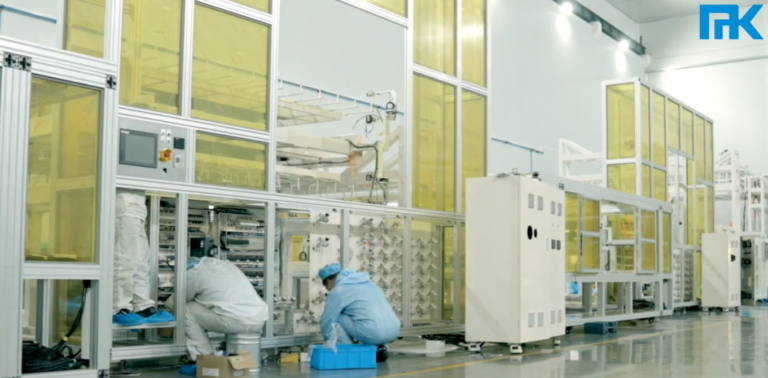
Manufacturing capability should also be evaluated. A factory that can produce standard windows may not necessarily be equipped to handle a large custom project. Ask about production equipment, engineering support, quality-control procedures and previous export experience. For a major development, a supplier should be capable of managing both technical changes and repeat production.
Communication quality is an underestimated procurement factor. If technical questions take days to answer or drawings are repeatedly misunderstood, project delays can result. A supplier that provides clear engineering documents and responds quickly can reduce coordination costs throughout the project.
Long-Term Value Instead of Lowest Initial Price
The cheapest double hung aluminum window is not necessarily the lowest-cost procurement solution. A low-priced window may use thinner profiles, simpler glass, less durable hardware or weaker packaging. If the result is higher installation labor, damage during shipping or early component replacement, the initial saving can disappear quickly.
Buyers should calculate total landed cost and expected service value. Consider the product price, freight, duties, packaging, installation, maintenance, replacement components and project risk. For developers and distributors, consistent repeat quality can be more important than achieving the lowest possible first-order price.
A strong supplier relationship also creates opportunities for future product development. Once the profile, glass and hardware system has been approved, future orders can be produced using the same technical platform. This improves consistency, simplifies spare-parts management and makes repeat procurement faster.
Why Double Hung Aluminum Windows Remain Relevant to Modern Buyers
Double hung aluminum windows continue to attract attention because they combine a familiar operating style with modern aluminum engineering. Buyers can specify thermal break construction, insulated Low-E glazing, contemporary finishes, improved weather sealing and customized dimensions without abandoning the vertical sash format.
For procurement managers, the key is not simply selecting a window type. The goal is to create a complete specification that can be manufactured consistently and delivered reliably. That specification should connect architectural requirements, engineering performance, glass selection, hardware, quality control and logistics.
When the supplier understands these requirements and provides transparent technical documentation, double hung aluminum windows can become a highly practical solution for residential, commercial and renovation projects. The best purchasing decision comes from comparing complete systems rather than comparing isolated unit prices.
Long-Tail Keywords for Buyers and Search Intent
Buyers researching this product may use different search phrases depending on where they are in the purchasing process. Informational searches can include double hung aluminum windows, what are double hung aluminum windows, and double hung aluminum window benefits. Commercial research searches may include custom double hung aluminum windows, thermal break double hung aluminum windows, double hung aluminum windows supplier, and aluminum double hung window manufacturer.
Transactional searches may include wholesale double hung aluminum windows, custom size double hung aluminum windows, double hung aluminum windows factory, double hung aluminum windows manufacturer China, and double hung aluminum windows for commercial projects. These phrases should be distributed naturally across the page rather than repeated unnaturally. Search engines are better served by comprehensive content that answers different stages of the buyer journey.
Final Procurement Checklist
Before approving an order, confirm the final window schedule, dimensions, frame system, thermal break, glass specification, Low-E requirements, hardware, balance system, finish, color, weather seals, screens, grids and performance requirements. Confirm that the supplier's technical drawings match the approved specification.
Also confirm commercial terms, packaging, labeling, delivery schedule, inspection process, warranty, spare parts and after-sales support. If the order is large, approve a production sample or first article before mass manufacturing. These steps create a clear chain from architectural design to factory production and finally to installation.
For international buyers, this structured approach provides a much safer way to source double hung aluminum windows. Instead of treating the product as a simple commodity, the procurement team can evaluate the complete technical solution, manufacturing capability and long-term supplier value.