B2B Aluminum Window Manufacturer

Aluminum Single Hung Window Manufacturer & Supplier

Source durable, customizable and project-ready aluminum single hung windows for residential, commercial, apartment, hospitality and renovation projects. Our approach combines aluminum alloy profiles, precision fabrication, reliable hardware, professional finishing and flexible glass configurations to support international buyers and procurement teams.

Get a quote
Aluminum Single Hung Window Manufacturer Custom Aluminum Single Hung Window Aluminum Window Supplier Thermal Break Aluminum Window Commercial Aluminum Windows

Built for International Procurement

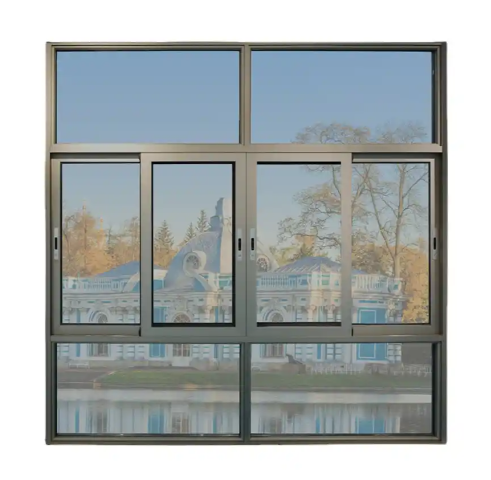
A single hung window uses a fixed upper sash and a vertically sliding lower sash. This configuration offers practical ventilation, straightforward operation and an efficient balance between performance, appearance and cost.

01 Fixed upper sash
02 Sliding lower sash
03 Custom glass options
04 Project customization

Aluminum Single Hung Window Guide for Global Buyers

Buyers comparing an aluminum single hung window should evaluate more than the visible frame. Profile geometry, alloy selection, thermal design, glass configuration, drainage, weather seals, hardware, surface treatment, fabrication tolerances, packaging and project requirements all influence the final result. The following six-tab guide is designed for architects, distributors, contractors, developers and procurement managers.

What Is an Aluminum Single Hung Window?

Fixed Upper Sash and Operable Lower Sash

An aluminum single hung window normally combines a stationary upper section with a lower sash that moves vertically. This configuration is one of the most practical window formats for buyers who need controlled ventilation without the complexity of two independently moving sashes. The fixed upper portion provides a stable glazed area, while the lower sash can be raised when ventilation is required. From a procurement perspective, the simple operating principle can make product selection easier because the window has fewer moving elements than many more complex systems. It can be specified for apartments, residential developments, offices, schools, hotels, renovation projects and other buildings where reliable everyday operation is important. The exact sash ratio can be customized according to the opening, daylight requirements and architectural design. When purchasing an aluminum single hung window wholesale, buyers should confirm the operating direction, sash balance system, frame depth, drainage design and installation method before approving production.

Why Aluminum Is Used for the Frame

Aluminum is widely selected for window frames because it combines low weight, structural rigidity, corrosion resistance and design flexibility. Properly engineered aluminum profiles can support slim sightlines while maintaining the dimensional stability needed for repeated operation. For an aluminum single hung window factory, profile design is also important because extrusion technology allows manufacturers to create precise chambers, grooves, glazing rebates, drainage paths and hardware channels. Surface treatments such as powder coating and anodizing can provide additional protection and a wide range of architectural colors. Buyers serving different climates can also specify appropriate finishes and glass systems for the project environment. The phrase “aluminium single hung window” is commonly used in some markets, while “aluminum single hung window” is more common in others. A professional supplier should understand both terms and be able to provide the same technical product under the buyer's preferred terminology.

Residential and Commercial Applications

Single hung aluminum windows can be used in many building categories because the vertical sliding configuration is easy to understand and can be adapted to different opening sizes. Residential applications include apartments, villas, townhouses, replacement projects and affordable housing developments. Commercial applications can include offices, schools, clinics, hotels, retail buildings and institutional projects. In multi-unit developments, procurement teams often value standardized dimensions because repeating the same window configuration can simplify ordering, installation and maintenance. For commercial aluminum single hung windows, buyers may need additional requirements for wind resistance, water penetration, air leakage, safety glazing, acoustic performance or local building regulations. These requirements should be established before production rather than after the product has been manufactured. A project-specific technical schedule can help align the manufacturer, architect, contractor and installer around one approved configuration.

Single Hung Versus Double Hung

The primary difference between a single hung and a double hung window is the number of movable sashes. In a single hung design, the lower sash normally moves while the upper sash remains fixed. In a double hung window, both upper and lower sashes can move. Buyers choosing between the two should consider ventilation requirements, cleaning preferences, budget, hardware complexity, maintenance and project specifications. Single hung systems can be attractive when the buyer wants a practical operating window with a straightforward construction and controlled manufacturing cost. A double hung design may provide greater ventilation flexibility, but it also introduces additional moving components. Neither system is automatically better for every project. The correct choice depends on climate, building use, maintenance expectations and local requirements. A manufacturer should therefore quote the actual configuration, rather than treating all vertical sliding aluminum windows as identical products.

Important Dimensions for Buyers

Accurate dimensions are essential when sourcing a custom aluminum single hung window. Procurement drawings should identify overall frame width and height, wall thickness, installation opening, frame depth, sash dimensions, glazing thickness, mullion or meeting-rail requirements and any required fixing points. Tolerance requirements should also be discussed because manufacturing tolerances influence installation and sealing. For replacement aluminum single hung windows, the existing rough opening may determine the practical frame size. For new construction, the architect's window schedule should normally be used as the starting point. Buyers should provide drawings, quantities, preferred glass, finish, hardware requirements and target market whenever possible. This allows the factory to calculate a more accurate quotation and avoid pricing based on incomplete assumptions. A professional supplier can also review drawings and identify potential conflicts before tooling or mass production begins.

How to Choose Aluminum Profiles for a Single Hung Window

Alloy and Temper Selection

The aluminum alloy and temper should match the structural and fabrication requirements of the window system. Architectural window profiles are commonly produced using extrusion-friendly aluminum alloys selected for a balance of strength, surface quality and manufacturing consistency. Buyers should avoid specifying an alloy only because it is common in another market. The supplier should confirm that the proposed material is appropriate for extrusion, machining, assembly and the required performance. For larger commercial projects, the material specification should be written clearly into the purchase documentation so that the factory, inspection team and buyer are working from the same standard. Traceability of raw materials can also be useful for larger projects where documentation and quality assurance are important.

Frame Depth and Profile Geometry

Frame depth affects glass compatibility, structural behavior, drainage and overall system design. A deeper profile may provide additional room for glazing or thermal components, while a slimmer profile can create a lighter visual appearance. The correct geometry depends on the glass thickness, building location, opening size and required performance. For buyers comparing aluminum single hung windows supplier quotations, it is important to compare technical specifications rather than comparing only the headline unit price. Two windows may have the same external dimensions but very different profile wall thicknesses, chamber designs, hardware systems and glazing configurations. A transparent quotation should identify the profile series or at least provide enough information for technical comparison.

Thermal Break Aluminum Profiles

A thermal break system separates interior and exterior aluminum sections with a low-conductivity insulating component. This can reduce direct heat transfer through the frame and may improve the overall thermal behavior of the window assembly. For energy-conscious projects, a thermal break aluminum single hung window can be evaluated together with Low-E glass, insulated glazing, weather seals and appropriate installation details. Thermal performance should never be judged from the frame alone because the final window is an assembly. Buyers should ask for the system's tested or calculated performance where applicable and should confirm the testing standard used. This is especially important when products are being supplied to markets with specific energy codes or green-building requirements.

Surface Treatment

Aluminum frames can be finished using powder coating, anodizing and other architectural treatments. Powder coating offers a broad color selection and can support consistent appearance across large projects. Anodizing provides a distinctive metallic appearance and can be specified in different tones. Buyers should confirm coating thickness, color standard, pretreatment requirements, surface preparation and inspection method. For international projects, color references such as RAL codes can reduce ambiguity. Coastal or high-exposure environments may require additional attention to pretreatment and coating specifications. The right finish is not simply a decorative choice; it affects long-term appearance, corrosion resistance and maintenance expectations.

Extrusion Accuracy and Fabrication

A high-quality aluminum single hung window depends on more than the extrusion itself. Cutting, punching, drilling, machining, corner joining, hardware installation and glazing all influence final product quality. Consistent extrusion dimensions make automated and semi-automated fabrication more reliable. Procurement teams should therefore evaluate the manufacturer's ability to control the complete production chain. For custom aluminum single hung windows, the factory should provide drawings or samples for approval before large-scale production. This reduces the risk of discovering dimension or appearance problems after thousands of units have been fabricated.

Glass Options for an Aluminum Single Hung Window

Single, Double and Insulated Glass

Glass selection strongly influences the thermal, acoustic, solar and safety performance of a window. A basic single-glazing configuration may be suitable for certain climates or low-cost applications, while insulated double glazing can provide improved thermal performance. Buyers should specify glass thickness, air-space configuration, spacer type and gas filling where applicable. A double glazed aluminum single hung window is often considered when the project places greater emphasis on energy performance or occupant comfort. The correct glass should always be selected in conjunction with the frame system rather than treated as an independent component.

Low-E Glass

Low-E coatings can reduce radiative heat transfer and are frequently considered for energy-efficient building envelopes. Depending on the coating and climate, the glazing can be selected to manage solar heat gain while maintaining useful daylight. Buyers sourcing an aluminum single hung window with Low-E glass should identify the required glass make-up, coating position, visible light characteristics and thermal target. It is also important to ensure that the glass specification is compatible with the selected spacer, sealant and frame system. For projects in hot climates, solar control may be a major priority; for colder climates, insulation and heat retention may become more important.

Tempered and Laminated Glass

Tempered glass is processed to improve its resistance to thermal and mechanical stress, while laminated glass incorporates an interlayer between glass sheets. Depending on the building type, location and applicable codes, safety glazing may be required in specific areas. Laminated glass can also contribute to acoustic performance and security. Procurement documents should identify whether the project requires tempered, laminated, heat-strengthened or another glass configuration. The manufacturer should then confirm the available glass processing and quality-control procedure before production. For overseas projects, the buyer should specify the applicable standard or certification requirement instead of relying on a generic phrase such as “safety glass.”

Glass Color and Appearance

Clear glass is common, but tinted, reflective, privacy and decorative options may also be available. Appearance should be considered alongside solar control, visible light transmission and interior comfort. Large projects often require sample approval because the same nominal color can appear different under different lighting conditions. A professional supplier can provide physical samples or technical glass samples before mass production. When sourcing black aluminum windows or other dark architectural finishes, the relationship between frame color and glass appearance should also be reviewed so the completed facade has a consistent visual language.

Glazing and Sealing

The glazing method should keep the glass securely positioned while maintaining a reliable weather seal. Gaskets, glazing beads, sealants and setting blocks all have defined functions within the assembly. Poor glazing practices can lead to water leakage, movement, glass stress or premature seal failure. Buyers should therefore assess how the factory handles glazing during production and whether protective film, corner protection and packaging are used after assembly. For high-volume procurement, sample inspection should verify glass thickness, appearance, gasket fit, frame squareness and operating function before approving the full shipment.

Performance Requirements for Aluminum Single Hung Windows

Air Leakage

Air leakage is an important consideration because uncontrolled air movement through a window can reduce occupant comfort and increase energy demand. Performance depends on the frame design, weather seals, sash alignment, hardware and installation. Buyers should identify the applicable local test method and target class when the project requires formal performance documentation. For commercial aluminum single hung windows, the manufacturer should be able to explain how the system addresses air sealing around the movable sash and fixed frame. Good manufacturing tolerances are particularly important because excessive gaps can reduce sealing effectiveness.

Water Resistance

Water penetration resistance depends on drainage paths, frame geometry, gaskets, sealants, pressure management and installation. A quality window system should provide a controlled path for incidental water to leave the frame rather than allowing water to migrate into the building interior. Buyers in regions with heavy rainfall, tropical storms or coastal exposure should pay particular attention to this issue. The window should be evaluated as part of the entire wall system because installation interfaces can be just as important as the factory-built frame.

Wind Load and Structural Stability

Window size, profile geometry, glass thickness, reinforcement and installation all influence resistance to wind pressure. Larger openings generally require more detailed engineering. For high-rise, coastal or hurricane-prone projects, buyers should provide the design wind pressure or project location so the supplier can review the proposed configuration. It is not appropriate to assume that one aluminum single hung window specification is suitable for every building height or climate. Technical engineering should be based on the actual project requirements.

Thermal Performance

Thermal performance is determined by the combined frame and glass assembly. Thermal break profiles, insulated glass, Low-E coatings, warm-edge spacers and appropriate weather seals can contribute to improved performance. Buyers should distinguish between frame U-value and whole-window U-value when comparing supplier quotations. A lower number is not meaningful unless the testing or calculation method is understood. The manufacturer should provide technical information that allows architects and engineers to compare products on a consistent basis.

Acoustic Performance and Comfort

Noise control can be important for apartments, hotels, hospitals, offices and buildings located near roads or airports. Glass composition usually has a major influence on acoustic performance, while the frame and seals also contribute. Laminated acoustic glass or different insulated glass configurations can be considered depending on the project target. Buyers should define the desired acoustic performance rather than simply requesting “soundproof windows.” Testing should be based on the applicable standard and the actual window size and configuration where formal certification is required.

Custom Aluminum Single Hung Window Options

Custom Sizes and Sash Ratios

Project windows rarely have identical requirements across every market. A custom aluminum single hung window can be designed around the actual opening dimensions, architectural proportions and ventilation requirements. Buyers can provide a window schedule or technical drawings, allowing the manufacturer to calculate frame and sash dimensions. Customization may include frame depth, sightline, meeting rail position, sash height, glass thickness and installation accessories. Standardizing as many dimensions as practical can help reduce tooling and procurement complexity on large projects.

Colors and Architectural Finishes

Powder coating allows buyers to coordinate window frames with facade systems, doors, curtain walls and interior design. Common choices include white, black, grey, bronze and metallic finishes, while custom colors can be considered for project requirements. Anodized finishes provide another visual direction. Color approval should be completed before production because lighting, substrate and coating conditions can affect appearance. For projects involving hundreds or thousands of windows, one approved master sample can help control batch consistency.

Hardware and Operating Components

Hardware affects usability, durability and maintenance. Buyers should consider handles, locks, balances, rollers, fasteners, restrictors and other operating components. Hardware should be compatible with the profile system and glass weight. For apartment or hotel projects, standardized hardware can simplify maintenance and spare-parts management. Procurement specifications should identify finish, material, load rating and corrosion requirements where necessary. The supplier should also confirm whether replacement hardware can be purchased later.

OEM and Project Branding

Distributors and building-product companies may require OEM production under their own brand. Depending on the project, packaging, labels, installation instructions and product documentation can be customized. OEM buyers should establish ownership of drawings, tooling and approved specifications at the beginning of the project. A clear quality agreement can define acceptable tolerances, finish standards, inspection procedures, packaging requirements and warranty responsibilities.

Packaging for International Shipping

International transport creates additional risks that should be considered before production. Aluminum frames can be protected with film, foam, corner guards, cartons, pallets or customized export packaging. Glass requires additional protection and careful loading. Containers should be planned around product dimensions to maximize utilization without compromising protection. Buyers should ask the supplier to provide a packing method and loading plan before shipment, particularly for large projects where replacement costs and installation delays can be significant.

How Procurement Teams Should Buy Aluminum Single Hung Windows

Start With a Complete Technical Schedule

A professional RFQ should include dimensions, quantities, profile requirements, glass, finish, hardware, color, installation method, performance targets and destination market. The more complete the RFQ, the more meaningful the quotation becomes. Buyers should avoid asking for a simple “price per window” without describing the specification because suppliers may quote different products under the same name.

Compare Total Cost Rather Than Unit Price

The lowest factory price does not necessarily produce the lowest project cost. Buyers should evaluate tooling, packaging, shipping volume, glass, hardware, finish, installation accessories, inspection, replacement risk and lead time. A slightly higher specification may reduce installation or maintenance costs. Total landed cost is a more useful procurement metric for international projects.

Approve Samples Before Mass Production

A sample can reveal issues that cannot be identified from a quotation. Buyers should inspect frame dimensions, finish, glass, hardware, drainage, sash movement, locking operation, gasket fit and overall appearance. For major projects, a golden sample can be retained as the production reference. This creates a practical quality benchmark for both the supplier and inspection team.

Plan Quality Inspection

Inspection can be performed during production and before shipment. Dimensional checks, quantity verification, appearance inspection, glass verification, hardware testing and packaging checks are useful for international orders. Buyers should define acceptable tolerances and defect classifications before production begins. A written inspection plan reduces disagreement because both sides understand what will be checked.

Work With a Manufacturer That Can Scale

The ideal supplier should be capable of handling samples, pilot orders and larger production quantities without changing the approved specification. Procurement teams should review factory equipment, extrusion capability, fabrication capacity, quality systems, packaging, export experience and communication. A long-term manufacturer relationship can become particularly valuable when the buyer expects repeat orders, additional sizes or new product families.

Aluminum Single Hung Window Specification Comparison

Use the following table as a procurement checklist when comparing aluminum single hung window suppliers. Final specifications should be confirmed according to project drawings and applicable local standards.

Specification Standard Option Premium Option Procurement Consideration
Window Type Single hung Custom single hung system Confirm fixed upper and sliding lower sash configuration
Frame Material Aluminum alloy Thermal-break aluminum Match profile to climate and project requirements
Glass Single or standard insulated glass Double glazing + Low-E Consider thermal, acoustic and solar requirements
Finish Powder coating Premium powder coating or anodizing Specify color code and finish requirement
Hardware Standard operating hardware Heavy-duty or project-specific hardware Check durability, compatibility and replacement availability
Sealing Standard EPDM or compatible gasket Enhanced multi-seal configuration Important for air and water performance
Applications Residential Residential + commercial Confirm required performance for building type
Customization Standard sizes OEM/project-specific sizes Provide drawings and window schedule
Packaging Protective export packing Customized project packing Consider container loading and site handling
Quality Control Factory inspection Sample approval + production inspection Define acceptance criteria before production

Frequently Asked Questions About Aluminum Single Hung Windows

These buyer-focused answers address the questions commonly considered during technical evaluation, supplier comparison and international procurement.

What is an aluminum single hung window and how does it work?

An aluminum single hung window is a vertically operating window system in which the upper sash is normally fixed while the lower sash moves vertically. When the lower sash is raised, the opening provides ventilation while the fixed upper section continues to provide daylight and a stable glazed area. The frame is manufactured from aluminum alloy profiles, which can be engineered into different profile depths, sightlines, glazing channels and drainage configurations. This makes the system suitable for residential and commercial projects where a practical operating window is required.

For procurement teams, the important point is that the phrase “aluminum single hung window” does not describe one universal specification. Different factories can offer completely different profile thicknesses, glass systems, hardware, seals, finishes and performance levels under the same product name. Buyers should therefore request a technical drawing and a detailed quotation rather than comparing only the price. The sash ratio, frame depth, glass thickness, operating hardware and installation method should be confirmed.

The design is particularly attractive for projects that want controlled ventilation without the additional moving components of a double hung window. Apartment developments, residential communities, hotels, schools, offices and renovation projects can all use the configuration. Depending on the market, buyers may search for “aluminium single hung window” rather than “aluminum single hung window”; both terms generally refer to the same material family.

When specifying the product, buyers should also consider the complete building envelope. Frame performance, glass, gaskets, drainage, hardware and installation all work together. A good manufacturer should be able to discuss these components as one system and recommend a configuration based on the building location, opening size, climate and applicable requirements.

What should I look for when choosing an aluminum single hung window supplier?

Buyers should evaluate an aluminum single hung window supplier on technical capability, manufacturing consistency, quality control, customization, communication and export experience rather than price alone. The first question is whether the supplier actually manufactures the relevant window system or simply trades products from another factory. A manufacturer with extrusion, fabrication, finishing and assembly capabilities can generally provide better control over the complete product.

Ask for technical drawings showing the frame and sash configuration. The supplier should clearly identify aluminum profile dimensions, wall thickness, glazing capacity, hardware position, drainage paths and weather-sealing arrangement. If thermal performance matters, ask whether a thermal-break system is available and request the applicable technical data. Glass should also be specified in detail, including thickness, insulated configuration, Low-E coating, spacer and safety treatment where applicable.

Quality control is another major consideration. A reliable supplier should be able to explain how extrusion dimensions, cutting, machining, assembly, coating, glazing and final inspection are controlled. For large projects, ask whether a sample can be approved before mass production. A pre-production sample is particularly valuable because it allows the buyer to confirm color, dimensions, glass, hardware and operating performance.

International procurement also requires attention to packaging and logistics. Aluminum windows can be damaged by poor loading, insufficient protection or unsuitable internal packing. Ask for photographs or drawings of the packing method and confirm container loading. Finally, evaluate communication. A supplier that responds clearly to technical questions, identifies potential problems and documents agreed specifications is often a stronger long-term partner than a supplier offering the cheapest initial quotation.

Are aluminum single hung windows energy efficient?

An aluminum single hung window can be designed for good energy performance, but the result depends on the complete window assembly rather than the word “aluminum” itself. Standard aluminum is highly conductive, so projects that require stronger thermal insulation may benefit from a thermal-break profile. A thermal break introduces a low-conductivity barrier between interior and exterior aluminum sections, reducing direct heat transfer through the frame.

Glass is equally important. Double insulated glazing, Low-E coatings and appropriate spacers can significantly influence the thermal characteristics of the complete window. The choice should reflect climate. In cold regions, reducing heat loss may be the priority. In hot climates, controlling solar heat gain can be more important. A professional supplier should therefore ask about the project location before recommending the glass configuration.

Air leakage and installation also influence real-world performance. Even a technically efficient frame can perform poorly if the sash is incorrectly adjusted or if the window perimeter is not properly sealed during installation. Weather seals, gaskets, drainage and perimeter flashing should be considered as part of the system.

Procurement teams should avoid accepting vague claims such as “energy efficient” without technical information. Ask whether the supplier can provide whole-window thermal data, frame information, glass data or testing documentation based on a recognized standard. Comparing suppliers using the same methodology makes the purchasing decision more reliable. For green-building projects, the buyer may also need information about recycled content, material traceability and environmental documentation.

Can I customize the size, glass and color of an aluminum single hung window?

Yes. Customization is one of the main advantages of sourcing aluminum windows directly from a manufacturer. A custom aluminum single hung window can be produced according to project dimensions, architectural proportions, glass requirements, color and hardware specifications. The exact range of customization depends on the factory's extrusion, fabrication and finishing capabilities.

Size customization can include overall width and height, frame depth, sash height and opening ratio. Buyers should provide accurate drawings or a window schedule rather than relying only on rough dimensions. For replacement projects, the existing opening should be measured carefully. For new construction, dimensions should follow the approved architectural drawings.

Glass can be customized from basic single glazing to insulated double glazing, Low-E, tinted, laminated and tempered configurations, subject to the manufacturer's supply chain. Buyers should specify the complete glass make-up rather than simply requesting “double glass.” Thickness, air-space, coating and safety requirements can affect both performance and price.

Color customization can include common architectural finishes such as white, black, grey, bronze and metallic shades. Powder coating and anodizing are widely used options. For international projects, a recognized color reference should be included in the purchase order. A physical sample can also be approved before production to reduce the risk of color differences. Buyers should remember that customization can affect tooling, minimum order quantity, production lead time and cost, so these factors should be discussed during the quotation stage.

What glass is best for an aluminum single hung window?

There is no single glass specification that is best for every aluminum single hung window. The correct choice depends on climate, building orientation, energy requirements, acoustic conditions, safety regulations and budget. For many modern projects, insulated double glazing is a practical starting point because it can improve thermal performance compared with basic single glazing. Low-E coatings can then be considered to manage heat transfer and solar radiation.

In hot climates, solar-control glass can help reduce unwanted solar heat gain while maintaining useful daylight. In colder climates, Low-E insulated glazing can help reduce heat loss. In noisy urban locations, laminated or acoustic glazing may provide additional sound-control benefits. Safety glazing may be required in specific locations according to local building codes.

The glass must also fit the window system. The frame's glazing pocket, gasket, glazing bead and hardware must be compatible with the selected glass thickness and weight. Larger or heavier glass can affect the operating mechanism and may require different hardware or reinforcement.

Buyers should therefore provide the manufacturer with the project location and performance requirements before choosing glass. The factory can then recommend one or more compatible configurations for comparison. For a commercial or high-volume project, the approved glass specification should be included in the technical schedule and checked during inspection. This prevents a supplier from substituting a visually similar but technically different glass product during mass production.

How much does an aluminum single hung window cost?

The price of an aluminum single hung window depends on many variables, so a reliable manufacturer should not provide a final project price from the product name alone. The most important factors include window dimensions, aluminum profile system, alloy and wall thickness, glass configuration, finish, hardware, quantity, customization, packaging and shipping destination.

A standard residential window with a simple finish and basic glass will generally have a different cost structure from a large commercial thermal-break window using insulated Low-E glass and project-specific hardware. Large orders can benefit from production efficiency, but custom tooling or unusual dimensions may introduce additional costs.

Buyers should request a line-item quotation. The quotation should identify frame, glass, hardware, finish, accessories, packaging and any tooling or development charges. This makes it possible to compare suppliers on an equivalent basis. The buyer should also ask whether the quotation is EXW, FOB, CIF, DDP or another commercial term because freight and import costs can significantly change the landed price.

For international procurement, total cost of ownership is often more useful than factory unit price. A lower-priced window that arrives damaged, has inconsistent dimensions or requires extensive site adjustment can become more expensive. A professional quotation should therefore be evaluated together with quality control, lead time, packaging, warranty, spare parts and supplier reliability. Providing a complete RFQ is the fastest way to obtain an accurate aluminum single hung window price.

Are aluminum single hung windows suitable for commercial and apartment projects?

Yes. Aluminum single hung windows can be suitable for apartments, offices, schools, hotels, healthcare buildings, institutional projects and other commercial applications when the selected system meets the project's performance requirements. Their relatively straightforward operating mechanism can be useful in buildings where standardized window configurations are repeated across many rooms or units.

Apartment developers may value standardized dimensions, repeatable production and simple maintenance. A project may use the same frame family across multiple window sizes, reducing procurement complexity. Commercial projects may require more detailed performance specifications, including wind load, water resistance, air leakage, thermal performance, acoustic performance and safety glazing.

The project location is important. Coastal developments, high-rise buildings and regions exposed to severe weather can require higher performance than small low-rise residential buildings. The supplier should review the actual design pressure and opening dimensions before recommending a configuration.

Procurement teams should also consider installation. A high-quality factory product cannot compensate for poor site installation. Installation drawings, fixing points, perimeter sealing and drainage interfaces should be coordinated between the manufacturer, architect and contractor. For large projects, sample installation or a mock-up can help identify interface problems before mass installation begins.

What should be included in an RFQ for aluminum single hung windows?

A complete RFQ should provide enough information for the supplier to quote an equivalent product. At minimum, buyers should provide window type, quantities, dimensions, drawings, opening direction, frame requirements, glass specification, color, hardware, destination country and expected delivery schedule. If the project has formal performance requirements, those should also be included.

For the frame, identify the preferred profile system, frame depth, thermal-break requirement and finish. For glass, provide thickness, single or insulated configuration, Low-E requirement, safety treatment and any acoustic or solar-control target. For hardware, specify operating method, locking requirements, color and durability expectations.

Buyers should also state whether the quotation should include screens, trims, flashing, installation accessories or other components. Packaging requirements should be described if the windows are being shipped internationally. Commercial terms should identify the desired Incoterm and destination port or site where appropriate.

Finally, the RFQ should identify the approval process. For example, the buyer may require technical drawings, color samples, glass samples, physical prototypes, pre-production inspection and final inspection. This creates a clear procurement path from quotation to mass production. The more complete the RFQ, the less likely the buyer is to receive quotations that look similar on paper but actually represent different window systems.

Materials & Manufacturing Process for Aluminum Single Hung Windows

Rotate through the production stages below. The layout highlights the key material and process decisions that influence final window quality.

01 Aluminum Billet

Production begins with controlled aluminum material selected for extrusion and architectural window requirements. Material consistency supports stable profile production.

02 Profile Extrusion

Heated aluminum is pressed through precision dies to create the required frame, sash, glazing and accessory profiles.

03 Surface Treatment

Powder coating or anodizing provides the selected architectural appearance and protective finish.

04 Precision Fabrication

Profiles are cut, machined, drilled, punched and assembled according to approved production drawings.

05 Glass & Hardware

Approved glazing, gaskets, locks, balances, handles and operating components are installed and checked.

06 Inspection & Packing

Finished units are checked for dimensions, appearance, operation, glass and packaging before shipment.

Aluminum Single Hung Window Solutions for Different Projects

Different buyers have different performance and commercial priorities. Use the solution carousel to identify the configuration that best matches the project.

custom aluminum single hung window manufacturer for global projects

Aluminum Single Hung Window: Complete Procurement Guide for Global Buyers

An aluminum single hung window is a practical window configuration for buyers who need controlled ventilation, durable framing and a clean architectural appearance. The system normally consists of a fixed upper sash and a vertically moving lower sash. Because the operating principle is straightforward, single hung windows are frequently considered for residential buildings, apartment developments, hotels, schools, offices, renovation projects and other construction applications. However, professional procurement requires a much deeper evaluation than simply choosing the operating style.

For international buyers, the most important consideration is to define the complete product specification before requesting prices. A supplier may quote an aluminum single hung window using a basic aluminum profile, single glass and standard hardware, while another supplier may quote a thermal-break frame with insulated Low-E glass and upgraded hardware. Both products may be called aluminum single hung windows, but their performance and cost can be very different. A detailed RFQ therefore protects the buyer from comparing different products as though they were equivalent.

1. Understanding the Single Hung Window Configuration

The defining characteristic of a single hung window is that one sash is designed to move while the other remains fixed. In the common configuration, the lower sash moves vertically and the upper sash remains stationary. This provides ventilation through the lower portion while maintaining a stable upper glazed section. The system can be engineered in different proportions, so the visible relationship between the upper and lower sections does not have to be identical from one project to another.

Buyers should specify whether the product is intended for new construction or replacement. New construction allows the architect and manufacturer to coordinate the rough opening, frame dimensions and installation details from the beginning. Replacement projects are different because the existing opening, wall construction and installation conditions can limit the available frame size. Accurate field measurement becomes particularly important.

A single hung configuration can also simplify certain maintenance requirements because there are fewer moving components than in some double-opening systems. However, the final maintenance burden depends on hardware quality, weather exposure, installation and usage frequency. Procurement teams should evaluate the complete operating system rather than assuming that the window will be maintenance-free.

2. Why Aluminum Is a Strong Material for Window Manufacturing

Aluminum is widely used in architectural window systems because it provides a useful combination of strength, relatively low weight, dimensional stability and design flexibility. Extrusion technology allows manufacturers to create complex profile geometries that incorporate glazing pockets, drainage paths, hardware channels and reinforcement zones. This gives designers and engineers significant freedom when developing window systems.

Another advantage is surface finishing. Aluminum can be powder coated in a broad range of architectural colors or anodized to create a metallic appearance. This allows windows to coordinate with facade systems, doors and other architectural components. For developers and architects, consistent color and surface quality can be an important part of the building's visual identity.

Aluminum also has strong recycling characteristics. Modern procurement is increasingly considering not only the performance of a building product but also its material lifecycle. Recycled aluminum can play a role in lower-impact construction strategies when the material source and recycled content are properly documented.

3. Thermal Break Aluminum Single Hung Windows

Conventional aluminum is highly conductive. For buildings where energy performance is important, thermal-break construction can reduce direct thermal transfer between the interior and exterior sections of the frame. The thermal barrier is typically made from a lower-conductivity insulating material and separates the aluminum components.

A thermal-break aluminum single hung window should be considered as part of a complete window assembly. The glass, spacer, gaskets and installation also influence overall thermal behavior. A thermal frame paired with poor glazing may not deliver the desired result, while a well-balanced frame and glass configuration can provide a stronger overall envelope.

Buyers should request actual performance information rather than relying on generic marketing language. When possible, compare whole-window performance using the same test or calculation methodology. This is especially important for commercial developments where energy targets are included in the project specification.

4. Glass Selection for International Projects

Glass is one of the most important variables in the price and performance of an aluminum window. Basic single glazing may be appropriate for certain low-cost or mild-climate applications, while insulated glazing can improve thermal performance. Low-E coatings can be used to manage radiant heat transfer, and solar-control glass may be appropriate for buildings exposed to strong sunlight.

Safety requirements should also be considered. Depending on location and building type, tempered or laminated glass may be required. Laminated glass can also contribute to acoustic performance and security. Buyers should not specify glass only by appearance because two visually similar glass products can have very different technical properties.

A good procurement specification identifies glass thickness, configuration, coating, spacer, interlayer where applicable, color and safety requirements. The manufacturer can then price the actual specification instead of making assumptions.

5. Surface Finishing and Color Control

Powder coating is a popular finish for aluminum windows because it provides a broad selection of colors and can produce a consistent architectural appearance. Black, white, grey, bronze and metallic finishes are frequently considered for modern projects. Anodizing offers a different appearance and can be selected when the design calls for a metallic aluminum character.

Color control is especially important for large projects. A buyer should approve a sample before mass production and specify a recognized color reference where possible. Batch consistency should be included in the factory quality-control plan. If the windows are being installed alongside aluminum doors or curtain walls from another supplier, the project team should consider whether the finishes need to be coordinated across manufacturers.

6. Hardware and Operating Performance

The lower sash of a single hung window must move smoothly and remain properly supported throughout its operating range. Hardware can include balances, locks, handles, rollers and other components depending on the specific system. Hardware quality affects both user experience and maintenance.

For high-volume residential developments, standardized hardware can make future maintenance easier. A property management company can keep common replacement parts rather than supporting many different hardware systems. Buyers should ask whether spare hardware can be purchased after the original order has been completed.

7. Weather Sealing and Drainage

Window performance depends heavily on how air and water are controlled. Gaskets and weather seals should be designed around the movement of the sash. Drainage channels should direct incidental water toward the exterior. The exact design depends on the profile system and applicable performance requirements.

A buyer working in a heavy-rainfall or coastal environment should provide the supplier with the project location. Wind pressure, rainfall and exposure can influence the required system. The installation interface should also be reviewed because the perimeter of the window is part of the building envelope.

8. Manufacturing Quality and Tolerances

The quality of a finished window is determined by the entire manufacturing sequence. Aluminum profiles must be consistent before they enter fabrication. Cutting must be accurate. Machining holes and slots must align with hardware. Corners must be joined correctly. Glass must fit the glazing system. Gaskets must be installed consistently. Finally, the finished window must be inspected before packing.

Small errors can become significant when thousands of windows are installed on a project. For this reason, buyers should consider pre-production approval and a defined inspection process. A production sample can become the reference for subsequent manufacturing.

9. Custom Aluminum Single Hung Window Manufacturing

Customization can be valuable when a project uses non-standard openings or requires a particular architectural appearance. A custom aluminum single hung window may involve unique dimensions, special colors, different glass combinations, custom hardware or OEM branding.

Custom production should begin with engineering rather than immediate mass production. The supplier should review drawings, identify technical issues and provide production drawings for approval. Where tooling is necessary, ownership and future usage should be agreed in writing.

10. Aluminum Single Hung Windows for Apartments

Apartment projects are a strong application for standardized window systems. Developers often need hundreds or thousands of units with consistent dimensions and appearance. A manufacturer can create a family of window sizes using compatible profile systems, simplifying procurement and maintenance.

For apartment buyers, important considerations include cost control, durability, installation speed, glass performance, safety, appearance and replacement parts. The best procurement strategy balances initial price with long-term operating cost.

11. Commercial Aluminum Single Hung Windows

Commercial projects generally require more detailed technical specifications than small residential orders. The buyer may need documented air, water, structural, thermal and acoustic performance. Local building regulations should be reviewed before production.

Commercial buyers should also consider project coordination. Window dimensions must align with structural openings and facade details. Installation accessories, flashing and sealants may need to be coordinated with other trades. A manufacturer that can support technical communication can help reduce site problems.

12. Aluminum Single Hung Window Factory Evaluation

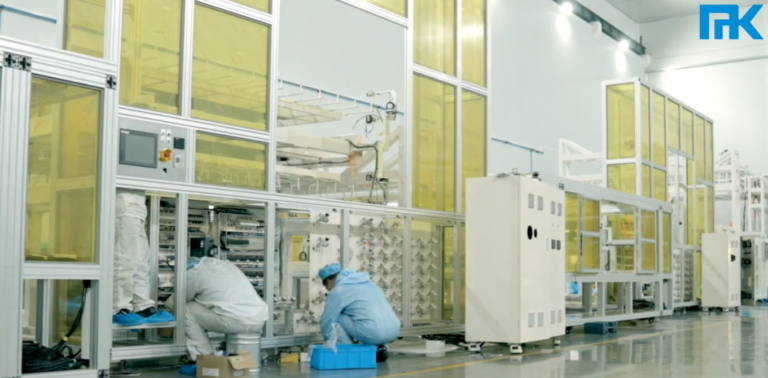
When evaluating an aluminum single hung window factory, buyers should review more than production photographs. Ask about extrusion capability, profile inventory, fabrication equipment, finishing lines, glazing, assembly, inspection and export packing. Factory organization can reveal how well the supplier manages high-volume orders.

Buyers should also evaluate documentation. Drawings, specifications, quality reports, inspection records and packing lists can make international procurement more predictable. A professional supplier should be able to convert a buyer's requirements into a clear manufacturing specification.

13. Aluminum Single Hung Window Wholesale Procurement

Wholesale buyers should focus on repeatability. If the first order is successful, future orders should use the same approved profile, glass, color and hardware unless a change is deliberately authorized. A documented master specification can prevent accidental substitutions.

Wholesale procurement also benefits from planned inventory. Standard sizes may be stocked for distribution markets, while project sizes can be produced against confirmed orders. Buyers should discuss minimum order quantities, lead times and replacement policies with the supplier.

14. Aluminum Single Hung Window Price Factors

The price of an aluminum single hung window can change significantly based on specification. Frame size affects aluminum consumption. Glass affects material cost and processing. Powder coating affects finishing cost. Hardware affects component cost. Custom tooling can introduce development charges. Packaging and shipping affect the final landed price.

For this reason, a buyer should not ask simply for “the cheapest aluminum window.” Instead, the buyer should define the intended application and performance target. A manufacturer can then recommend a cost-effective specification rather than removing important components simply to reach a lower headline price.

15. International Shipping and Packaging

Windows are relatively large compared with their weight, so container utilization matters. Poor packing can also lead to scratched finishes, broken glass or distorted frames. Export packaging should protect corners, glass and finished surfaces while allowing efficient loading.

Buyers should request photographs of the packaging method and, for large projects, a container loading plan. Clear package labels can also make installation and distribution easier after the products arrive.

16. Quality Inspection Before Shipment

Pre-shipment inspection can verify quantity, dimensions, appearance, glass, hardware, operation, finish and packaging. For large orders, inspection should be based on an agreed checklist.

Buyers can also request production photographs, random sample measurements and packing photographs. If third-party inspection is required, the inspection criteria should be shared with the factory in advance so that the production team understands the acceptance standard.

17. Sustainable Aluminum Window Procurement

Sustainability is becoming a more important consideration in building-product procurement. Aluminum's recyclability creates opportunities for circular material strategies, but buyers should request evidence when recycled content or low-carbon aluminum is part of the project requirement.

Material traceability, recycled content documentation, responsible sourcing and end-of-life recycling can all become part of a broader sustainability strategy. Procurement teams should distinguish verified documentation from generic environmental marketing.

18. How to Compare Three Aluminum Window Suppliers

A practical supplier comparison should use the same RFQ for every factory. Ask each supplier to quote the same dimensions, glass, finish, hardware and quantity. Then compare the technical specification, not only the price.

Create a scoring matrix covering product quality, price, lead time, customization, testing, packaging, communication, production capacity and after-sales support. This creates a more objective purchasing process and reduces the risk of selecting a supplier only because its initial quotation is lower.

19. Long-Tail Search Terms Buyers Commonly Use

Buyers searching for this product may use highly specific commercial queries. Relevant long-tail terms include aluminum single hung window manufacturer, aluminum single hung windows supplier, custom aluminum single hung window, aluminum single hung window factory, commercial aluminum single hung windows, thermal break aluminum single hung window, energy efficient aluminum single hung window, double glazed aluminum single hung window, powder coated aluminum single hung window, aluminum single hung window wholesale and aluminum single hung window price.

These long-tail terms represent different stages of the buying journey. A user searching “what is an aluminum single hung window” has informational intent. A buyer searching “aluminum single hung windows supplier” is performing commercial research. A buyer searching “custom aluminum single hung window quotation” is much closer to a transaction. A strong product page should therefore answer all three levels of intent without forcing unrelated keywords into the content.

20. Why Buyers Should Request a Technical Quotation

A technical quotation transforms a generic product request into a measurable procurement document. It allows the buyer to compare suppliers fairly and gives the manufacturer a clear production target. A good quotation can identify the aluminum system, glass, hardware, finish, accessories, packaging, quantity, lead time and commercial terms.

For international projects, technical clarity is particularly valuable because communication may occur across languages, time zones and different construction standards. Drawings, photographs, samples and written specifications can reduce misunderstandings.

21. Final Procurement Checklist

Before placing an order, confirm the window type, dimensions, aluminum profile, alloy, wall thickness, thermal-break requirement, glass, Low-E option, safety treatment, color, surface finish, hardware, gaskets, drainage, performance requirements, packaging, quantity, delivery schedule and commercial terms.

Also confirm the approved sample and drawings. Make sure the supplier understands which elements cannot be changed without written approval. For repeat orders, retain the original approved specification as the master reference. This simple step can significantly improve consistency over the life of a procurement relationship.

22. Conclusion: Selecting the Right Aluminum Single Hung Window Supplier

The best aluminum single hung window is not necessarily the cheapest product. It is the product that matches the project's opening dimensions, climate, performance requirements, architectural design, installation method and budget while being manufactured consistently by a reliable supplier.

International buyers should compare complete technical specifications, request samples, review factory capability, define inspection standards and evaluate total landed cost. With the right procurement process, an aluminum single hung window can provide a practical combination of ventilation, durability, architectural flexibility and long-term value.

Global Top 10 Aluminum Window Suppliers to Benchmark

The following list is a procurement benchmarking selection rather than a formal market-share ranking. Buyers can use these established companies to compare product architecture, technical positioning and international market practices.

01. PGT

Window and door manufacturer with aluminum window product lines and established North American market presence.

Official Website →
02. Andersen

Major window and door manufacturer serving residential and architectural markets.

Official Website →
03. JELD-WEN

Global building-products company with broad window and door manufacturing capabilities.

Official Website →
04. YKK AP

International manufacturer of aluminum windows, doors, facades and architectural systems.

Official Website →
05. Kawneer

Architectural aluminum systems supplier serving commercial building projects.

Official Website →
06. Reynaers Aluminium

European aluminum architectural systems specialist with extensive window and facade solutions.

Official Website →
07. Schüco

International building-envelope systems company offering aluminum window and facade solutions.

Official Website →
08. TECHNAL

Architectural aluminum systems brand serving window, door and facade markets.

Official Website →
09. ALUPROF

European aluminum systems manufacturer covering windows, doors, facades and related products.

Official Website →
10. Boyd Aluminum

Aluminum window manufacturer with commercial applications including institutional and multifamily projects.

Official Website →

Related Aluminum Window Products

Explore related products that can be combined with aluminum single hung windows for complete residential and commercial window procurement.

Aluminum Single Hung Window Procurement Solution

The T-shaped procurement model connects specification, engineering, production, quality control and logistics into one purchasing workflow.

01 RFQ

Submit drawings, quantities, glass, color and project requirements.

02 Engineering

Review dimensions, profiles, performance and manufacturing feasibility.

03 Sample

Approve physical sample, color, glass, hardware and operation.

04 Production

Manufacture according to the approved technical specification.

05 Inspection

Verify dimensions, quantity, appearance, operation and packaging.

PROJECT PROCUREMENT CONTROL CENTER

One approved specification becomes the reference for production, inspection, packaging and repeat orders. This reduces communication errors and keeps the project aligned from quotation to delivery.

Technical

Drawings, profile data and glass specification.

Commercial

Price, MOQ, Incoterms and payment structure.

Quality

Samples, inspection criteria and acceptance standards.

Logistics

Packaging, container loading and delivery planning.

Latest Aluminum Window Articles

Continue researching aluminum windows, architectural profiles, manufacturing technology and international sourcing through the latest articles.

aluminium window company

aluminium window company

Aluminium Window Company | Custom Aluminium Windows Manufacturer & Supplier HOME PRODUCTS NEWS ABOUT US…

Latest Global Aluminum & Construction News

Procurement teams should monitor construction demand, aluminum raw-material pricing, recycling, building-product innovation and regional supply-chain developments. The following sources provide useful market signals for international buyers.

October 6, 2026 · Reuters

UK Construction Activity Declines at a Slower Pace

UK construction activity continued to contract in September, although the decline eased. For window suppliers, this highlights why regional construction pipelines and project timing remain important procurement factors.

Read Reuters Source →
October 2026 · IndexBox

Global Aluminum Extrusions Market Outlook

IndexBox highlights continued demand for aluminum extrusions from construction, lightweighting, renewable energy and other applications, while noting raw-material, energy and geopolitical pressures.

Read IndexBox Source →
October 6, 2026 · Hydro

Hydro Highlights Low-Carbon Aluminum and Recycling

Hydro's ALUMINIUM 2026 update highlights investment in renewable power, recycling, traceability and production capacity, reinforcing the growing importance of material transparency in aluminum procurement.

Read Hydro Source →
July 15, 2026 · AGC

Construction Input Costs and Aluminum Prices

The Associated General Contractors of America reported that construction input costs remained elevated, with aluminum mill-shape prices substantially higher year over year. This reinforces the importance of quotation validity and material-price planning.

Read AGC Source →
September 2026 · BD+C

Building Product Innovation for AEC Professionals

Building Design + Construction's August 2026 product roundup shows continued emphasis on building-envelope performance, daylighting, resilient materials and architectural product innovation.

Read BD+C Source →
March 26, 2026 · ORIX

Horizontal Recycling of Aluminum Windows in Japan

ORIX announced a project recycling used aluminum window frames and glass from a hotel demolition back into material streams for new window and glass production, demonstrating the growing relevance of circular construction.

Read ORIX Source →

Looking for a Reliable Aluminum Single Hung Window Manufacturer?

Send your window schedule, drawings, quantities, glass requirements and target market. We can evaluate the project and prepare a product configuration for your procurement team.

Get a quote