Aluminum Window Engineering • Performance • Design • Manufacturing

Advantages of Aluminum Windows

Discover the advantages of aluminum windows for modern residential, commercial, architectural and industrial projects. From durability and slim sightlines to thermal performance, low maintenance, corrosion resistance and recyclable materials, aluminum window systems provide a practical foundation for long-term building performance.

Get a Quote
01 / Core Benefits

Why Are Aluminum Windows a Strong Choice for Modern Buildings?

Understanding the advantages of aluminum windows means looking beyond appearance and considering the complete life cycle of a window system.

01

1. The Advantages of Aluminum Windows Start With Long-Term Durability

Aluminum window frames are designed for demanding environments

One of the most important advantages of aluminum windows is their structural durability. Aluminum combines relatively low weight with a strong structural profile, making it suitable for residential windows, commercial curtain-wall systems, large sliding doors, storefronts and architectural glazing. Unlike many materials that depend on thick sections to achieve stiffness, aluminum can be extruded into carefully engineered shapes that place material where it is structurally useful. This allows manufacturers to create narrow sightlines while maintaining the rigidity required for large areas of glass. For architects and developers, this combination is particularly useful when a project requires large openings, contemporary elevations or extensive glazing. The performance of the finished window, however, depends on alloy selection, profile design, wall thickness, reinforcement, hardware, fabrication quality and installation. A properly engineered aluminum window therefore represents a complete system rather than simply a metal frame.

Resistance to everyday wear and environmental exposure

Another reason aluminum windows remain popular is their ability to tolerate daily exposure to weather and normal building use. Properly finished aluminum profiles can provide a durable exterior surface, while powder coating, anodizing and other finishing systems can be selected according to the project's appearance and environmental requirements. This is especially important for buildings exposed to sunlight, rain, humidity or frequent operation. Aluminum does not rot in the same way as untreated wood and does not suffer from the biological deterioration associated with organic framing materials. In coastal or industrial environments, however, specification still matters. Appropriate alloy selection, surface treatment, drainage, fasteners and cleaning practices should be considered because salt and pollutants can accelerate corrosion on exposed metal components. The key advantage is not that aluminum requires zero consideration, but that a well-designed and properly finished aluminum system can deliver a long service life with predictable maintenance requirements.

A durable frame can reduce replacement and lifecycle disruption

For property owners, durability has an economic dimension. Replacing windows can involve not only the cost of frames and glass but also labor, interior finishing, exterior access, project management and disruption to occupants. A durable aluminum window system can help reduce the frequency of major replacement work when it is correctly specified and installed. This makes aluminum attractive for offices, hotels, schools, apartment buildings, commercial properties and high-use facilities where reliability matters. The lifecycle value of an aluminum window should therefore be evaluated through more than its initial purchase price. Buyers should compare profile quality, thermal-break construction, coating specification, glass selection, hardware, warranties, fabrication tolerances and installation details. When these components are engineered together, one of the strongest advantages of aluminum windows is the ability to provide a durable structural platform for long-term architectural use.

02

2. Aluminum Windows Provide Excellent Design Flexibility

Slim frames and larger glass areas

A major architectural advantage of aluminum windows is design flexibility. Modern buildings increasingly use large glass surfaces to create daylight, visual openness and connections between indoor and outdoor spaces. Aluminum is particularly suitable for this trend because extrusion technology enables profiles to be produced in complex cross-sections with controlled dimensions. The result can be a narrow visible frame combined with the structural depth needed to support the selected glass and hardware. Slim sightlines can make windows appear lighter and more contemporary, while large glass panels can create a stronger relationship between architecture and its surroundings. For residential villas, offices, retail buildings and hospitality projects, this flexibility can be valuable because the same basic aluminum platform can be adapted to different opening sizes, configurations and aesthetic goals.

Multiple window configurations and opening styles

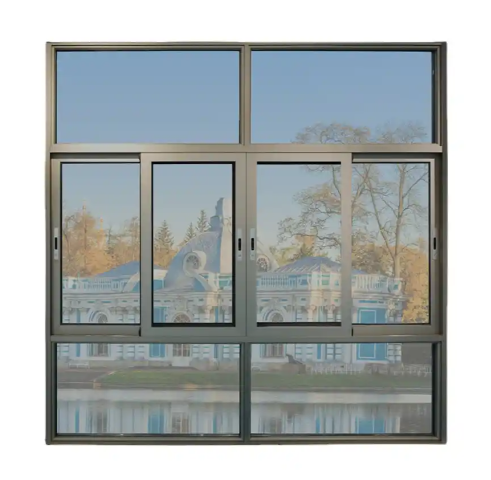
Aluminum window systems can be configured as fixed windows, casement windows, awning windows, sliding windows, lift-and-slide systems, tilt-and-turn windows, folding systems and specialized architectural assemblies. This range allows designers to choose an opening mechanism based on ventilation, access, weather exposure, space limitations and user behavior. For example, a sliding aluminum window can be useful where an inward or outward swing would interfere with furniture or circulation. A casement configuration may be selected when strong ventilation and simple operation are priorities. Large lift-and-slide systems can create broad openings toward terraces, gardens or balconies. This flexibility also makes aluminum suitable for mixed-use projects where different rooms require different opening strategies.

Color, texture and architectural identity

Design flexibility extends beyond geometry. Aluminum profiles can be finished in a wide range of colors and surface treatments, allowing windows to become an intentional component of the building's visual identity. Common choices include powder-coated colors, anodized finishes, metallic appearances and wood-look decorative finishes. Architects can coordinate window frames with facade panels, doors, curtain walls, interior finishes and architectural details. Dark frames are frequently used in contemporary designs, while neutral metallic finishes can complement industrial and minimalist architecture. Because the profile is manufactured separately from the glass, hardware and facade, suppliers can also develop coordinated systems for specific projects. This makes aluminum windows useful when a building requires a balance between engineering performance and a distinctive architectural appearance.

03

3. Thermal Performance Is One of the Most Important Advantages of Aluminum Windows

Thermal-break aluminum window technology

Traditional metal frames conduct heat efficiently, which means an uninsulated aluminum frame can create a thermal bridge between the interior and exterior of a building. Modern thermal-break aluminum windows address this issue by separating the interior and exterior portions of the frame with a low-conductivity insulating component. This construction reduces direct heat transfer through the profile and can substantially improve the overall thermal behavior of the window assembly. The exact result depends on the profile design, thermal-break width, glass specification, spacer, seals, installation and climate. For energy-conscious projects, thermal-break construction is therefore an important part of evaluating the advantages of aluminum windows.

Better comfort around window openings

Window performance affects indoor comfort as well as energy use. Poorly insulated frames and glazing can create colder or warmer surfaces near the window, potentially producing uncomfortable temperature differences. A properly designed thermally broken aluminum window can reduce heat transfer and contribute to a more stable indoor environment. In winter climates, improved thermal performance can reduce heat loss through the building envelope. In hot climates, it can help reduce unwanted heat transfer into conditioned spaces. The result is not determined by the frame alone. High performance glass, appropriate solar-control coatings, insulated spacers, airtight seals and correct installation are all important.

Energy efficiency depends on the complete window system

Buyers should be careful when comparing claims about energy efficient aluminum windows. A profile with a thermal break can be excellent, but the final window performance also depends on the glass-to-frame ratio, glass U-value, solar heat gain coefficient, air leakage, water resistance, installation quality and surrounding wall construction. For this reason, professional projects should evaluate tested system performance rather than relying only on a marketing label. When the frame, glass, seals and installation are engineered as one system, aluminum windows can contribute to the energy strategy of a modern building while still delivering the structural and aesthetic advantages associated with metal framing.

04

4. Aluminum Windows Offer Low-Maintenance Ownership

A stable frame material for long-term use

Low maintenance is another major benefit when evaluating the advantages of aluminum windows. A properly finished aluminum frame does not require the same routine painting associated with many traditional wood-frame applications. Powder-coated or anodized surfaces can maintain their intended appearance for long periods when the correct finish is specified for the environment. This can be especially useful for commercial buildings, high-rise apartments, hotels and other properties where access to exterior windows can be expensive. Building owners can focus routine maintenance on cleaning, drainage paths, seals, hardware and inspection rather than frequent repainting of the structural frame.

Easier cleaning and inspection

Aluminum windows are generally straightforward to clean because their frame surfaces can be maintained using suitable non-abrasive cleaning methods. Moving components should also be inspected periodically, particularly on large sliding or frequently operated systems. Rollers, locks, hinges, handles and seals are mechanical or flexible components and may require replacement or adjustment over time. This is an important point when explaining the advantages of aluminum windows: low maintenance does not mean maintenance-free. Instead, the goal is predictable maintenance with easily identified service components.

Lower maintenance can support lifecycle value

For property managers, maintenance frequency can influence total ownership cost. If a building contains hundreds or thousands of windows, even small differences in maintenance requirements can become significant. Aluminum systems can provide a practical balance between structural performance, appearance and maintenance requirements. When paired with durable finishes and quality hardware, they can help reduce routine intervention and keep facades looking consistent. This is particularly relevant for commercial properties where appearance influences tenant perception and building value. For developers, the best approach is to specify the appropriate finish class, hardware and cleaning procedure for the project's location rather than treating all aluminum finishes as identical.

05

5. Aluminum Windows Support Sustainability and Circular Material Strategies

Aluminum can be recycled repeatedly

A significant sustainability advantage of aluminum is its recyclability. Aluminum products can enter recycling streams at the end of their service life, allowing the material to be recovered and used again. This makes aluminum relevant to circular construction strategies, especially when projects specify recycled content, responsible sourcing and environmental product documentation. The environmental impact of an aluminum window is not determined by recyclability alone. Primary aluminum production is energy-intensive, so buyers should consider recycled content, production technology, electricity sources, transportation and end-of-life recovery. The growing availability of lower-carbon and recycled aluminum products is making these considerations increasingly important for architects and developers.

Recycled aluminum can support lower-carbon building strategies

The aluminum industry continues to invest in recycling and lower-carbon production. In 2026, Hydro highlighted its CIRCAL recycled aluminum approach and AL-LEAN extrusion innovation, while YKK AP published developments around recycled aluminum building materials and environmental product documentation. These developments illustrate how the aluminum value chain is increasingly connecting material efficiency, recycling and building-product performance. For buyers, this means sustainability can be addressed at the specification stage by asking suppliers about recycled content, environmental declarations, alloy traceability and production methods rather than simply requesting a generic “green” product.

Long service life is part of the sustainability equation

A durable product can also contribute to lifecycle efficiency because materials and energy associated with replacement are delayed. Aluminum windows can therefore combine structural longevity with recycling potential. For sustainable projects, however, the complete building envelope must be considered. Thermal performance, glass selection, airtightness, solar control, shading and installation all influence operational energy. The strongest sustainability strategy is therefore a system-level approach: select a durable aluminum window, use appropriate thermal-break technology, choose efficient glazing, specify suitable finishes and establish a realistic maintenance plan.

06

6. Aluminum Windows Are Suitable for Global Architectural Applications

Residential applications

Aluminum windows are widely suitable for villas, apartments, townhouses, renovation projects and modern homes. Residential buyers often want large glass surfaces, slim frames, reliable operation and attractive finishes. Aluminum can provide these features while supporting different opening styles. For homes in hot climates, thermal breaks and solar-control glass can be important. In colder regions, high-performance glazing and insulated frames become especially relevant. Coastal homes may require enhanced surface protection and corrosion-conscious hardware selection. The ability to adapt the system to local climate conditions is one reason aluminum windows remain relevant across different markets.

Commercial and architectural applications

Commercial projects can place different demands on windows. Offices may prioritize daylight, ventilation, acoustic comfort and facade appearance. Hotels may emphasize large openings and premium finishes. Retail properties may require large glazed areas and robust hardware. Educational and public buildings may focus on durability, safety, accessibility and lifecycle cost. Aluminum systems can be configured for many of these requirements because the extrusion platform supports different frame geometries, glazing depths, hardware arrangements and finish options. Large architectural projects can also integrate windows with curtain walls, doors, louvers and facade systems.

Export and international sourcing considerations

For international buyers, one of the advantages of aluminum windows is the availability of globally recognized system approaches and customizable extrusion manufacturing. However, successful sourcing requires more than comparing price per square meter. Buyers should confirm drawings, profile alloy, wall thickness, thermal-break design, glass specification, finish standard, hardware brand, testing requirements, packaging and installation details. Regional standards can also differ. A supplier serving North America may need to address different testing and certification expectations from a supplier serving Europe, Australia or the Middle East. A professional export supplier should therefore be able to translate project requirements into technical drawings and a documented bill of materials.

advantages of aluminum windows for durable energy efficient modern buildings
Customized aluminum profile manufacturing for architectural and industrial applications.
02 / Technical Comparison

Aluminum Window Advantages Compared With Common Alternatives

A practical comparison helps buyers understand where aluminum windows can provide technical and lifecycle value.

Performance Factor Aluminum Windows uPVC Windows Wood Windows Key Buying Consideration
Structural strength High structural efficiency and suitable for large openings Good, but larger profiles may be required for some applications Good structural performance when properly engineered Consider opening size and glass weight
Design flexibility Excellent extrusion and finish flexibility Good profile and color options Excellent traditional appearance Match frame design to architectural concept
Thermal performance Very good when using a properly designed thermal break and efficient glazing Naturally low thermal conductivity Good natural insulation Compare whole-window U-value, not frame material alone
Maintenance Generally low with appropriate finish Generally low Can require periodic coating and maintenance Consider climate and access to the facade
Large glass openings Excellent potential More limited for some very large systems Depends strongly on engineering and section design Check profile strength and glass loading
Recyclability High material recycling potential Recyclable where suitable collection systems exist Depends on coatings, adhesives and construction Ask about recycled content and end-of-life strategy
Finish selection Powder coating, anodizing and decorative finishes Color and laminate options Paint, stain and natural finishes Specify finish class for the environment
Lifecycle strategy Strong durability and recycling combination Low maintenance with suitable quality Can deliver long service with active maintenance Evaluate total ownership cost
03 / Buyer Questions

Frequently Asked Questions About the Advantages of Aluminum Windows

Detailed answers for architects, developers, contractors, distributors and homeowners researching aluminum window systems.

What are the main advantages of aluminum windows?

The main advantages of aluminum windows include structural strength, design flexibility, durability, low maintenance, slim sightlines, finish variety, large-opening capability and strong recyclability. Modern thermally broken aluminum windows can also provide excellent thermal performance when the frame, thermal break, glass, spacer, seals and installation are engineered as one system. Aluminum is especially attractive when a project requires large glazed areas because extruded profiles can be engineered to combine structural performance with relatively narrow visible frames. Another important benefit is design consistency: the same material platform can be used for fixed windows, casement windows, sliding systems, doors and other architectural components. Proper surface finishing can provide durable appearance and resistance to normal weather exposure. For commercial projects, low maintenance can also be valuable because access and repainting costs can become significant across a large building. Buyers should remember that not every aluminum window has the same performance. Alloy, profile geometry, wall thickness, thermal-break width, glass specification, hardware, seals, coating and installation all matter. Therefore, the best way to evaluate the advantages of aluminum windows is to compare complete tested systems rather than comparing frame material alone.

Are aluminum windows energy efficient?

Yes, aluminum windows can be highly energy efficient when they use modern thermal-break technology and appropriately specified glazing. Aluminum by itself conducts heat efficiently, so an old-style uninsulated aluminum frame can create a thermal bridge. Modern systems solve much of this issue by separating the exterior and interior aluminum sections with an insulating thermal-break material. The final energy performance also depends on the glass U-value, solar heat gain coefficient, spacer technology, seals, frame geometry, air leakage and installation. For cold climates, the objective is often to reduce heat loss through the window assembly, while hot climates may require stronger solar-control performance and reduced heat gain. A professional specification should therefore request whole-window performance data rather than assuming that a thermal-break profile automatically provides a particular energy rating. High-performance aluminum windows can be paired with double or triple glazing, low-emissivity coatings, warm-edge spacers and carefully engineered gaskets. When these elements are coordinated, aluminum windows can contribute to comfortable interiors and reduced building energy demand while retaining the strength and architectural appearance that make aluminum attractive.

How long do aluminum windows last?

The service life of an aluminum window depends on the quality of the profile, surface finish, hardware, seals, glass, fabrication, installation and environment. Well-designed aluminum window systems can provide a long service life because aluminum does not rot and can maintain structural stability over extended periods. The finish and hardware may require attention before the structural frame itself reaches the end of its useful life. Coastal environments deserve special consideration because salt exposure can accelerate corrosion of unsuitable components. Regular cleaning, appropriate drainage and inspection of seals and hardware can help maintain performance. Commercial buildings should also establish an inspection schedule because large numbers of windows and difficult access can make small maintenance issues more expensive if they are ignored. Buyers should look for suppliers that provide technical documentation, finish specifications, spare-parts availability and installation guidance. Instead of promising a universal lifespan for every aluminum window, it is more accurate to evaluate the expected service life according to the project location, usage intensity, coating specification and system quality. This approach provides a more realistic lifecycle assessment and helps buyers select products appropriate for their specific application.

Why are aluminum windows good for large glass areas?

Aluminum is well suited to large glass areas because extrusion technology allows manufacturers to create profiles with carefully controlled geometry, structural depth and reinforcement options. Modern architectural aluminum systems can support large glazing units while maintaining relatively slim visible frames. This helps architects create expansive views, increase daylight and achieve minimalist facade designs. Large glass, however, increases structural and thermal requirements. The frame must be capable of handling glass weight, wind loads and operating forces, while the hardware must be selected for the actual sash dimensions and weight. Glass thickness, lamination, coating and spacer construction also influence performance. Large openings can additionally require careful consideration of deflection, drainage, air tightness and installation tolerances. For this reason, customers should provide opening dimensions, building location, wind conditions and glass requirements when requesting a quotation. A capable aluminum window manufacturer can then select an appropriate profile system and hardware configuration. The advantage is not simply that aluminum is “strong”; it is that extrusion-based engineering gives manufacturers a flexible platform for designing structural profiles around specific architectural requirements.

Are aluminum windows low maintenance?

Aluminum windows are generally considered a low-maintenance window option, particularly when they use a durable powder-coated or anodized finish. Unlike many traditional wood windows, finished aluminum does not normally require frequent repainting simply to maintain the frame surface. Routine care typically involves cleaning the frame, keeping drainage channels clear, checking seals and inspecting moving hardware. Sliding windows may require attention to rollers and tracks, while casement systems may require hinge and locking-hardware inspection. The exact maintenance requirement depends on the environment. Coastal buildings, industrial locations and areas with high pollution can require more frequent cleaning because deposits can accumulate on exposed surfaces. The finish should also be selected according to environmental exposure. A low-maintenance window should therefore be understood as a product designed for predictable routine care rather than a product that never needs inspection. For commercial property owners, this can still be a major advantage because reducing repainting and major facade maintenance can lower long-term operational disruption. When comparing suppliers, ask for cleaning instructions, finish specifications and hardware maintenance recommendations so the window system can be managed correctly throughout its service life.

Are aluminum windows suitable for coastal areas?

Aluminum windows can be suitable for coastal buildings, but coastal applications require more careful material and finish selection than normal inland environments. Salt-laden air can increase the corrosion risk of metal components, especially when incompatible metals, poor drainage or inadequate surface protection are involved. A coastal specification should therefore consider alloy selection, coating or anodizing requirements, fastener materials, hardware, drainage design and cleaning frequency. The exact requirements depend on distance from the sea, local climate, wind exposure and project type. It is also important to avoid assuming that a premium appearance automatically means a coastal-grade system. Buyers should request the supplier's environmental exposure recommendations and verify that the selected finish and hardware are appropriate for the location. Regular cleaning can remove accumulated salt and contaminants and help preserve the finish. Proper installation is equally important because water management around the opening must be designed correctly. With the right specification, aluminum can provide a durable architectural solution for coastal homes, hotels, apartments and commercial properties while maintaining the visual advantages of slim modern framing.

Are aluminum windows more expensive than other window materials?

The purchase price of an aluminum window can vary significantly depending on profile system, thermal-break construction, glass, finish, hardware, size, quantity and manufacturing location. Basic non-thermal aluminum systems may be relatively economical, while premium thermally broken systems with high-performance glass and advanced hardware can command a higher initial price. The correct comparison should therefore consider total system cost rather than the frame material alone. Aluminum can provide value through durability, low maintenance, design flexibility and large-opening capability. For a commercial building, the lifecycle cost may be more important than the initial quotation because maintenance, replacement and operational requirements continue after installation. International buyers should also consider packaging, freight, customs, local installation, spare parts and after-sales service. A professional supplier should provide a detailed quotation showing profiles, glass, hardware, finishes and quantities rather than offering an unexplained price per square meter. This allows the buyer to compare quotations fairly. When a project requires premium thermal performance, narrow sightlines or large glass openings, aluminum can offer technical value that may justify a higher initial specification.

Can aluminum windows be customized for international projects?

Yes. Aluminum extrusion and fabrication technology make customization one of the important advantages of aluminum window systems. International projects can often specify opening dimensions, profile configurations, colors, surface finishes, glass types, hardware, thermal-break specifications and special architectural details. For custom export projects, technical communication is critical. Buyers should provide architectural drawings, opening schedules, performance requirements, preferred glass specification, hardware requirements, destination country and project standards. The manufacturer can then prepare shop drawings, profile lists, cutting requirements and a bill of materials. Customization may also involve matching existing architectural profiles, developing a special extrusion die or adapting a standard system. The economic feasibility depends on order volume and tooling requirements. A reliable supplier should clearly separate tooling costs, profile costs, fabrication costs, finishing, glass, hardware, packaging and shipping. This transparency makes international sourcing easier and reduces misunderstandings. For large projects, prototype production and sample approval are also recommended before mass production so that appearance, operation and technical details can be verified.

04 / Material & Process

Material, Manufacturing Process and Indicative Price Comparison

Hover over each card to rotate it and view the corresponding material and manufacturing information. Actual project pricing depends on specifications, quantity, finish, glass, hardware and destination.

Standard Aluminum

Extruded aluminum profile with conventional finishing.

$$
Indicative relative price level

Process

Billet preparation → extrusion → cutting → surface treatment → fabrication → glazing → inspection.

Value
Suitable for cost-conscious projects where basic performance is required.

Thermal Break Aluminum

Insulated aluminum profile designed to reduce thermal bridging.

$$$
Indicative relative price level

Process

Precision extrusion → thermal-break insertion → finishing → CNC fabrication → hardware → glazing → testing.

Performance
Strong choice for energy-conscious residential and commercial buildings.

Premium Architectural

High-performance system with advanced glazing and hardware.

$$$$
Indicative relative price level

Process

Custom engineering → precision extrusion → thermal break → premium coating → CNC processing → high-performance glass → system inspection.

Premium
Suitable for luxury residences, commercial towers and architectural projects.
05 / Project Solutions

Aluminum Window Solutions for Different Building Requirements

Slide through different applications and specification strategies.

06 / Complete Guide

The Complete Guide to the Advantages of Aluminum Windows

A detailed resource for buyers comparing aluminum window systems, manufacturers, materials, performance and long-term value.

Understanding the Advantages of Aluminum Windows in Modern Architecture

The advantages of aluminum windows have become increasingly relevant as architects, developers, homeowners and building-product distributors look for window systems that combine durability, design flexibility, energy performance and manageable lifecycle costs. Aluminum has a unique position in the building-envelope industry because it can be extruded into complex profiles, finished in many different ways and engineered for both structural and thermal requirements. This makes it suitable for everything from compact residential windows to large commercial glazing systems.

When buyers search for the benefits of aluminum windows, they are often looking for a simple answer: whether aluminum is better than another window material. The more useful question is which material and system are best for the specific project. Climate, building height, opening size, glass selection, architectural style, budget, maintenance expectations and local building requirements all influence the final specification. A high-quality thermal-break aluminum window can deliver a very different performance profile from a basic non-insulated aluminum frame.

1. Structural Performance and Profile Engineering

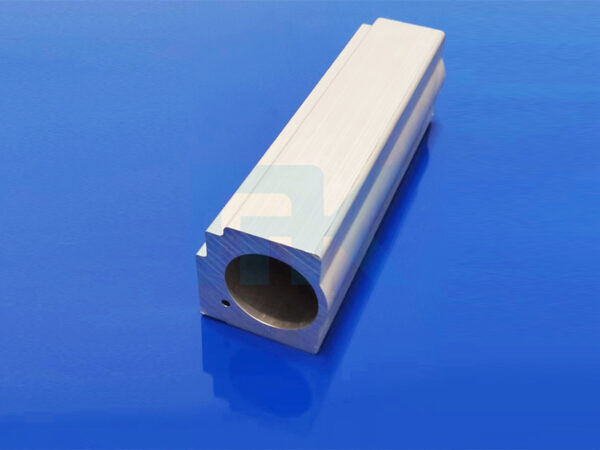
Aluminum window profiles are produced through an extrusion process. Heated aluminum billet is forced through a shaped die, creating a continuous profile with a specific cross-section. This manufacturing method provides designers with substantial freedom to develop hollow chambers, reinforcement zones, drainage channels, glazing pockets and connection details. The resulting profile can be optimized around structural requirements instead of relying on a simple rectangular section.

This is one of the fundamental advantages of aluminum windows. A window system can be engineered around the dimensions of the opening, the selected glass, wind loads and operating forces. For large openings, structural design becomes particularly important because modern architectural projects often use heavy insulating or laminated glass. The frame must control deflection and transfer loads into the building structure without creating operational problems.

Good extrusion design also helps manufacturers integrate seals, hardware channels and drainage paths into the profile. This creates a more organized window assembly and allows different components to work together. For international projects, buyers should request profile drawings and technical data instead of relying on product photographs.

2. Slim Sightlines and Contemporary Design

One of the most visible advantages of aluminum windows is the ability to create slim and precise sightlines. Contemporary architecture frequently emphasizes glass, daylight and clean geometric lines. Aluminum extrusion allows the frame to be engineered to provide structural support while maintaining a relatively narrow visible face.

This design capability is especially useful for luxury homes, modern villas, commercial offices, hospitality buildings and high-end retail properties. A slim frame can visually reduce the amount of material between the viewer and the outside environment. It can also help create a consistent architectural language when aluminum windows are coordinated with aluminum doors, curtain walls, louvers and facade systems.

Color is another major design variable. Powder coating and anodizing can provide different levels of gloss, texture and metallic appearance. Some projects use dark neutral colors to emphasize modern architecture, while others use silver or champagne finishes to create a more traditional metallic character. Decorative finishes can also be selected where a specific architectural appearance is required.

3. Thermal Break Technology

The biggest technical issue with traditional aluminum frames is thermal conductivity. Because aluminum transfers heat readily, an uninsulated metal frame can create a bridge between the interior and exterior. Modern thermal break systems address this problem by introducing an insulating section between the inner and outer aluminum components.

Thermal-break design should be evaluated carefully. Important variables include the thermal-break material, width, connection geometry, internal chambers, frame depth and glass interface. A wider thermal break can be beneficial, but whole-window performance still depends on many other components.

Glass is often the largest surface area of a window, so glazing selection can have a major effect on overall energy performance. Double glazing, triple glazing, low-emissivity coatings, argon-filled cavities and warm-edge spacers may be used depending on climate and project requirements. The correct combination should be selected based on local energy requirements rather than simply choosing the most expensive option.

4. Weather Resistance and Building Envelope Performance

A window does more than fill an opening. It is part of the building envelope and must manage air, water, wind and temperature differences. Aluminum window systems can be designed with dedicated drainage channels, gaskets, pressure-equalization concepts and controlled water paths.

The quality of seals and fabrication is critical. Even a technically advanced profile can perform poorly if corners are fabricated incorrectly, gaskets are installed incorrectly or drainage paths are blocked. This is why experienced manufacturers pay close attention to cutting accuracy, corner assembly, hardware adjustment and quality inspection.

For projects exposed to strong wind or heavy rain, buyers should request appropriate test data. Water penetration, air leakage and structural performance should be considered together. Installation also matters because the interface between the window and the surrounding wall must be correctly sealed and drained.

5. Low Maintenance and Long-Term Appearance

Maintenance is a major consideration for property owners. A window that requires frequent repainting or complex servicing can create significant lifecycle costs, particularly in large buildings. Properly finished aluminum frames can provide a comparatively low-maintenance solution.

Powder-coated surfaces should be cleaned using appropriate methods to remove dust, pollutants and environmental deposits. Coastal buildings may need more frequent cleaning because salt accumulation can affect exposed surfaces. Hardware should also be inspected because locks, hinges, rollers and handles are moving components.

The distinction between “low maintenance” and “maintenance-free” is important. No building product is completely maintenance-free. A realistic maintenance strategy protects the appearance and functionality of the system and can help extend the service life of seals and hardware.

6. Sustainability and Aluminum Recycling

Sustainability has become a central consideration in modern construction. Aluminum has a significant advantage because it can be recycled and returned to manufacturing streams. The material can therefore contribute to circular construction strategies when collection and recycling systems are available.

However, sustainability should not be reduced to recyclability alone. The primary production of aluminum requires significant energy, so the carbon profile of the material depends on the production route. Recycled aluminum, renewable electricity, efficient smelting and responsible sourcing can all influence the environmental footprint.

Manufacturers are increasingly developing lower-carbon aluminum solutions. For example, Hydro has highlighted CIRCAL recycled aluminum and new extrusion technology designed to improve material efficiency. YKK AP has also published information about recycled aluminum building materials and environmental documentation. These developments show that sustainability is becoming increasingly integrated into aluminum building-product design.

7. Aluminum Windows for Residential Buildings

Residential architecture has moved toward larger windows and stronger connections between interior and exterior spaces. Aluminum windows can support this trend by providing slim profiles, large opening configurations and extensive finish choices.

For apartments, the balance between thermal performance, acoustic comfort and appearance is particularly important. In detached houses and villas, large sliding systems may be selected to connect living rooms with gardens, terraces or balconies. In cold regions, thermal-break systems and high performance glazing become critical. In hot regions, solar-control glass, shading and ventilation strategy should be considered together.

Customization is another advantage for residential applications. A manufacturer can often coordinate windows and doors using the same profile language, finish and hardware concept. This creates a consistent appearance throughout the property.

8. Aluminum Windows for Commercial Buildings

Commercial projects introduce different priorities. Developers may be concerned with lifecycle cost, facade consistency, maintenance access, energy performance and construction schedules. Architects may prioritize sightlines, glass area and visual identity. Contractors may focus on fabrication tolerances, delivery sequence and installation efficiency.

Aluminum systems can address these different requirements through modular profile families. Fixed windows, operable windows, doors and facade elements can be coordinated within the same architectural language. This reduces visual inconsistency and can simplify project documentation.

Large projects should establish performance requirements before selecting the supplier. The project team should agree on glass type, thermal performance, finish, hardware, testing, installation details and acceptable tolerances. Early coordination can prevent costly changes during fabrication.

9. Choosing Aluminum Windows for Coastal Locations

Coastal projects require careful consideration because salt and humidity can increase corrosion risk. The aluminum profile itself may perform well while other components, such as fasteners or hardware, become vulnerable if incorrectly selected.

Coastal specifications should therefore address surface treatment, compatible metals, drainage, fastener materials, hardware quality and cleaning schedules. The supplier should understand the actual exposure conditions rather than using a generic specification.

For premium coastal projects, it can be worthwhile to request finish samples and technical recommendations before production. Sample approval can confirm color, gloss, texture and overall appearance under actual project lighting.

10. Aluminum Windows for Cold Climates

Cold-climate projects often emphasize insulation and condensation control. Thermally broken aluminum profiles can reduce heat transfer through the frame, while insulating glass units can improve overall window performance.

Condensation risk depends on interior humidity, surface temperature, thermal bridges and ventilation. Therefore, the complete window and surrounding construction should be evaluated. Warm-edge spacers and carefully designed frame chambers can contribute to improved thermal behavior.

For energy-conscious buildings, buyers should request U-value information, air-leakage data and appropriate test documentation. A professional supplier should be able to explain which components contribute to the final thermal performance.

11. Aluminum Windows for Hot Climates

In hot climates, solar heat gain can be more important than simply reducing conductive heat transfer. The window specification may include solar-control glass, reflective coatings, external shading and appropriate frame design.

Aluminum remains useful because it can support large glazed openings while providing a durable exterior frame. Thermal breaks can help reduce direct heat transfer, while glass selection controls a large portion of solar radiation entering the building.

The best solution is therefore a coordinated facade strategy. Window orientation, glass type, shading, ventilation and air conditioning loads should all be considered.

12. How Aluminum Window Manufacturing Affects Quality

The manufacturing process has a direct effect on final performance. Extrusion quality influences profile dimensions. Surface treatment affects appearance and durability. CNC machining influences hardware fit and assembly accuracy. Glazing quality influences weather resistance and operation.

A reliable manufacturing process should include incoming material inspection, extrusion quality control, surface-finish inspection, dimensional checks, fabrication inspection and final assembly inspection.

For export projects, packaging is also important. Windows may travel long distances and pass through multiple handling stages. Protective film, corner protection, reinforced crates and moisture-conscious packaging can reduce the risk of transit damage.

13. How to Compare Aluminum Window Suppliers

Price should not be the only factor when comparing aluminum window manufacturers. Buyers should evaluate the complete supply capability. Questions should include: Does the supplier have extrusion capacity? Can it perform finishing internally? Can it provide technical drawings? Does it support customized tooling? Can it provide samples? How are glass and hardware sourced? What quality-control procedures are used?

For international projects, communication and documentation are equally important. A technically capable factory that cannot provide clear drawings or accurate packing lists can create unnecessary project risk.

Buyers should also distinguish between a system company and a finished-window manufacturer. Some companies specialize in developing profile systems while local fabricators manufacture complete windows. Other companies integrate extrusion, fabrication and finished-window production. The correct model depends on the project and the buyer's local installation capability.

14. Aluminum Window Price Factors

There is no single universal price for aluminum windows. Pricing depends on profile weight, alloy, thermal-break construction, finish, window size, glass specification, hardware, order quantity, tooling, packaging and shipping destination.

A basic aluminum window can have a substantially different price from a large thermally broken lift-and-slide system using premium insulating glass. Therefore, “price per square meter” should always be accompanied by a clear specification.

International buyers should request itemized quotations. The quotation should identify profile systems, glass, hardware, surface treatment, accessories, packaging and shipping terms. This creates a transparent basis for supplier comparison.

15. Why Custom Aluminum Profiles Matter

Custom extrusion can be useful when a project requires a special profile geometry, a unique appearance or a component that is not available in a standard system. The manufacturer creates a dedicated extrusion die based on the approved profile drawing.

Custom tooling creates an initial cost, so it becomes more attractive at larger volumes. For repeated architectural programs, custom profiles can also provide stronger product differentiation.

A custom aluminum profile project normally involves engineering drawings, die design, trial extrusion, dimensional inspection, sample approval and mass production. The buyer should approve the technical drawing before the die is finalized.

16. Why Thermal Break Aluminum Windows Are Increasingly Important

Modern building regulations and energy-conscious design are increasing attention on thermal performance. Thermal-break aluminum windows offer a way to retain the structural and aesthetic characteristics of aluminum while reducing thermal bridging.

The technology is especially relevant for projects that combine large glass areas with demanding energy targets. When paired with high-performance glazing, thermal-break frames can form part of a high-performance building envelope.

Buyers should compare actual system data instead of assuming that all thermal breaks are equivalent. Profile depth, thermal-break dimensions, glass interface and seals can produce substantial differences.

17. Advantages of Aluminum Windows for Architects

Architects benefit from the material's combination of geometry, finish and structural capability. Extrusion allows profiles to be designed around specific visual and technical requirements, while finishing options allow the frame to become part of the facade identity.

Aluminum also works well with glass, stone, concrete, steel and other facade materials. This compatibility makes it useful for modern industrial, minimalist, commercial and residential architecture.

18. Advantages of Aluminum Windows for Developers

Developers often need to balance architectural quality with construction cost, lifecycle value and market expectations. Aluminum windows can offer a practical combination of durability and premium appearance. Low maintenance can also support property-management objectives after handover.

For large developments, standardization can reduce complexity. A coordinated window family can cover multiple unit types while maintaining a consistent facade.

19. Advantages of Aluminum Windows for Distributors and Importers

Distributors often value product consistency, packaging, customization and supplier reliability. Aluminum extrusion and window manufacturing can support repeat orders because profile systems can be standardized and production parameters documented.

For importers, the supplier should be able to provide accurate dimensions, weights, packing details, HS-code information where appropriate, commercial invoices, packing lists and technical documentation. Reliable export coordination can be just as important as the physical product.

20. Final Guide to Selecting the Right Aluminum Window

The advantages of aluminum windows are strongest when the product is specified correctly. Start by identifying climate, opening size, glass requirements, thermal target, architectural appearance, security needs and maintenance expectations. Then compare profile systems and manufacturers against these requirements.

A good aluminum window is not simply an aluminum frame. It is a coordinated system consisting of profiles, thermal breaks, glass, seals, hardware, finishes, drainage and installation. Each component affects the final performance.

For buyers seeking long-term value, the best purchasing decision usually comes from comparing complete technical specifications instead of choosing the lowest initial price. Durability, maintenance, energy performance, appearance, recyclability and service support should all be part of the decision.

Ultimately, the advantages of aluminum windows come from the material's ability to combine engineering flexibility with long-term architectural value. With appropriate extrusion design, thermal-break technology, high-quality glazing, durable finishes and professional installation, aluminum windows can serve a wide range of modern buildings and international construction projects.

07 / Global Market

10 Major Global Aluminum Window and Aluminum System Suppliers

The following companies are presented as major international industry participants, not as a universal quality ranking.

01

Schüco — Germany

A major European building-envelope systems company offering aluminum windows, doors, sliding systems and facade solutions for premium architectural projects.

02

Reynaers Aluminium — Belgium

A specialist in aluminum window, door and facade systems with a broad international presence and strong architectural-system positioning.

03

Hydro — Norway

A global aluminum company with extensive extrusion and building-system activities across Europe, North America and other regions.

04

YKK AP — Japan

A major architectural-products company serving Japan and international markets with windows, doors and building-envelope solutions.

05

LIXIL / TOSTEM / ALUK — Japan / Global

A major building-products group with extensive housing and architectural product operations, including aluminum window and door systems.

06

Aluprof — Poland

A major European aluminum building-system provider serving windows, doors, facades and related architectural applications.

07

Alumil — Greece

An international aluminum architectural systems company covering windows, doors, curtain walls and specialized building-envelope applications.

08

CORTIZO — Spain

A major Spanish aluminum systems company known for architectural windows, doors, sliding systems and facade solutions.

09

Guangdong Xingfa Aluminium — China

A large Chinese aluminum extrusion and architectural-profile manufacturer with extensive applications in windows, doors and building systems.

10

Kawneer — North America

A recognized architectural aluminum systems brand serving commercial building-envelope applications including windows, entrances and curtain wall systems.

Supplier information is intended for market research and buyer orientation. The aluminum window market includes many additional regional manufacturers, extruders, fabricators and system houses.

09 / Industry Knowledge

Latest Aluminum Window Articles and Industry Knowledge

Read related articles covering aluminum profiles, windows, doors, manufacturing technology, applications and architectural trends.

aluminium window company

aluminium window company

Aluminium Window Company | Custom Aluminium Windows Manufacturer & Supplier HOME PRODUCTS NEWS ABOUT US…

10 / Global Industry News

Latest Global Aluminum Industry News

Selected recent developments relevant to aluminum extrusion, recycling, window manufacturing and international supply chains.

September 2026

Fenesta Commissions New Aluminum Extrusion Plant in India

Fenesta commissioned a new aluminum extrusion plant in Kota, Rajasthan, expanding its internal extrusion capability and opening a new business vertical serving OEMs and other external customers.

Source: AL Circle →
September 2026

Hydro Highlights New Aluminum Extrusion and Low-Carbon Technologies

Hydro presented AL-LEAN™ extrusion innovation and CIRCAL recycled aluminum technology as part of its 2026 aluminum industry innovation activities.

Source: Hydro →
September 2026

YKK AP Updates Recycled Aluminum Building Material Activities

YKK AP reported recent developments involving recycled aluminum building materials and environmental product documentation, showing continued industry attention to circular material strategies.

Source: YKK AP →
September 2026

Global Aluminum Supply Conditions Continue to Influence Prices

Recent market reporting highlighted tight inventories and supply-side developments affecting aluminum pricing, an important factor for extrusion and window manufacturers.

Source: AL Circle →
September 2026

EGA Announces Technology Upgrade Pilot at Al Taweelah

Emirates Global Aluminium announced a technology-upgrade pilot aimed at improving productivity and energy efficiency at its Al Taweelah smelter.

Source: AL Circle →
October 2026

China Aluminum Production and Downstream Demand Remain Important Market Signals

Recent SMM market reporting indicated changes in September aluminum production and downstream demand, with October conditions expected to influence the balance between liquid aluminum and casting output.

Source: SMM via AL Circle →

Looking for the Right Aluminum Window Solution?

Tell us your window dimensions, application, destination market, preferred finish, glass requirements and estimated quantity. Our team can help develop an aluminum window or customized aluminum profile solution around your project requirements.

Get a Quote