Specialized in the production and supply of a full range of aluminum profiles and metal fabrication

What Are Black Aluminum Windows?
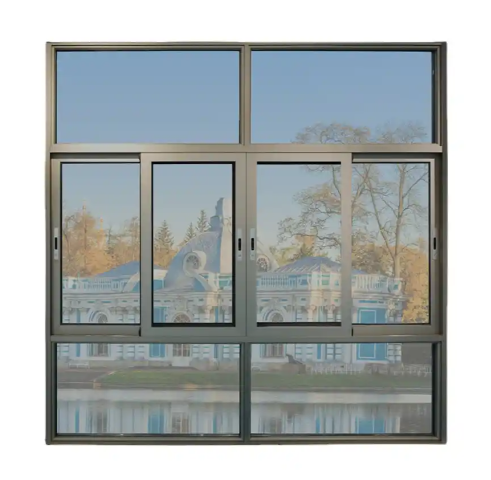
Black aluminum windows are architectural window systems manufactured with aluminum frames that receive a black surface finish. They can be produced in multiple operating configurations, including fixed, sliding, casement, awning, tilt and turn, single hung and double hung designs. For modern architecture, the black finish creates a clear visual border around the glass and can make the window appear more defined against light-colored walls, masonry and facade materials.
From a procurement perspective, however, black aluminum windows are much more than a color choice. A complete product specification includes the aluminum profile, alloy, frame depth, thermal break, glass, seals, hardware, coating system, color reference, texture, dimensions and performance requirements. Two products can both be called black aluminum windows while having very different manufacturing quality and long-term performance.
This distinction matters when purchasing for a residential development, hotel, office, apartment building, retail project or wholesale distribution business. A buyer who requests only a unit price may receive several quotations that appear comparable but actually describe different products. The correct procurement approach is to establish a technical baseline first and then compare factories against the same specification.
Why Black Aluminum Windows Are Popular in Modern Architecture
Black frames create a strong architectural contrast. They can visually separate the glazing from the surrounding wall and make large glass areas appear more structured. This effect works particularly well with white render, exposed concrete, brick, natural stone, timber and contemporary metal cladding.
The popularity of black frames also comes from their versatility. A matte black aluminum window can support a minimalist design, while textured black can create a more industrial appearance. Satin finishes can provide a softer visual effect. When the same finish is used for windows, doors, handles and other architectural components, the building can achieve a highly coordinated appearance.
The design advantage becomes even more obvious when black frames are combined with large insulated glass units. Slim aluminum sightlines can create a clean grid of dark lines around transparent surfaces. Architects can therefore use the frame as part of the facade composition rather than treating it as a purely functional component.
Black Is a Finish Specification, Not Just a Color
One of the most important procurement lessons is that “black” is not a complete finish specification. A professional RFQ should identify whether the frame uses powder coating, anodizing, PVDF-type coating or another finishing method. The buyer should also specify gloss, texture, color reference and environmental exposure.
This becomes important because two samples described as matte black can look different. The aluminum substrate, pretreatment, coating chemistry, curing process, surface texture and viewing conditions can all affect the final appearance. Production batch differences can become visible when hundreds of frames are installed next to one another.
For that reason, major projects should approve a physical sample. The sample should ideally include a complete frame section, glazing bead, corner, glass, hardware and visible accessories. This gives the project team a much more accurate reference than a small color chip.
Powder Coated Black Aluminum Windows
Powder coating is one of the most flexible finishing methods for black aluminum windows. The process uses a dry coating material applied to a prepared aluminum surface and then cured. It can provide a wide range of colors and visual effects, including matte, satin, gloss and textured black.
For procurement teams, the important point is to identify the actual coating system. The coating should be suitable for the environmental exposure of the project. Coastal buildings, high-UV locations, industrial areas and ordinary urban environments may require different considerations.
Current industry documentation is also evolving. FGIA's 2026 publications include updated AAMA 2603-26, AAMA 2604-26 and AAMA 2605-26 specifications covering different levels of organic coating performance on architectural aluminum. Buyers should use the standard that applies to their market and project instead of assuming that every black powder coating has the same performance level.
Black Anodized Aluminum Windows
Anodizing is another surface treatment option. Unlike an opaque powder coating, anodizing creates an oxide layer on the aluminum surface. The resulting appearance can have a distinctive metallic quality that appeals to projects where the natural character of aluminum should remain visible.
Buyers considering black anodized aluminum windows should compare physical samples against powder-coated samples. The visual result can differ substantially, and anodized color consistency can depend on alloy, surface preparation and processing. This makes sample approval especially important for projects with strict architectural appearance requirements.
Anodized finishes can be highly attractive, but the choice should be based on the project specification rather than the assumption that anodizing is automatically better than powder coating. Each system has different appearance, color range, processing and performance characteristics.
PVDF Black Aluminum Windows for Demanding Projects
PVDF-type architectural coatings may be considered when exterior exposure and long-term coating performance are major priorities. They can be specified for certain commercial, high-rise, coastal and architecturally demanding projects. However, the exact coating system and performance requirements must still be confirmed.
A buyer should request the actual coating manufacturer's documentation and verify that the window fabricator applies the coating according to the specified process. A premium coating name alone does not guarantee a successful result. Pretreatment, application, curing and quality control remain important.
Thermal Break Black Aluminum Windows
Thermal break construction is one of the most important options for buyers who are concerned about energy efficiency. Aluminum is an excellent structural material, but it also conducts heat efficiently. A thermal barrier separates portions of the frame and reduces direct conductive heat transfer.
The benefit of thermal break construction should be considered together with glazing. A high-performance thermal break frame combined with poorly selected single glazing may not provide the overall result expected from a modern building. Conversely, a balanced combination of thermal break aluminum, insulated glass, Low-E coating and suitable spacers can provide a more complete envelope strategy.
The project climate matters. In hot regions, the glass may need stronger solar control. In colder regions, the focus may be more heavily on heat retention. Mixed climates may require a balanced approach. Buyers should therefore provide project location, orientation and energy requirements during the quotation stage.
Black Aluminum Frames and Solar Heat
Dark surfaces can become hotter under strong sunlight than light-colored surfaces. This makes frame temperature a reasonable engineering consideration for strongly exposed black aluminum windows. Large windows and dark frames should be designed with appropriate expansion allowance, gasket compatibility, glass selection and installation details.
This does not mean black windows are unsuitable for hot climates. Instead, the correct response is to engineer the complete system. Thermal break profiles, solar-control glazing, shading devices and correct installation can all contribute to building performance.
Large commercial openings deserve particular attention because thermal movement can become more noticeable as dimensions increase. Buyers should provide the manufacturer with opening sizes and project exposure information so the engineering team can review the proposed profile and installation strategy.
Glass Selection for Black Aluminum Windows
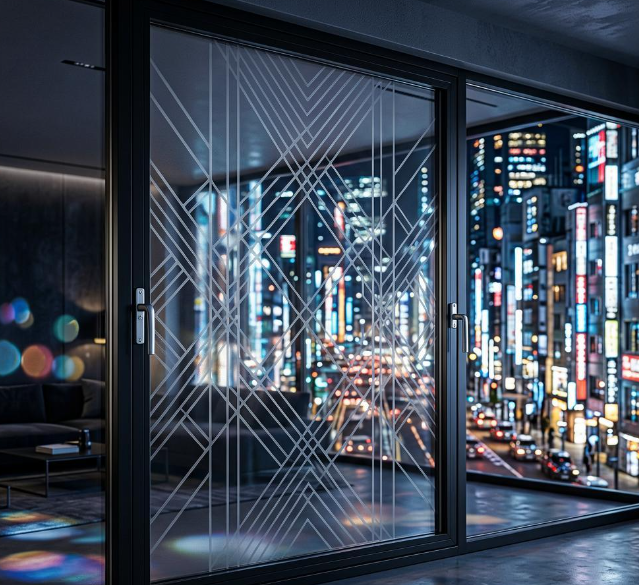
Glass can have a greater influence on window thermal and solar performance than many buyers initially expect. For this reason, the glass specification should be developed at the same time as the aluminum frame specification.
Double insulated glass is widely considered for modern projects, while triple glazing may be selected when the building requires a higher level of thermal performance. Low-E coatings can reduce radiant heat transfer and can be selected for different solar-control characteristics.
Tempered glass may be required for certain safety conditions. Laminated glass can provide safety retention and may also improve acoustic performance. Acoustic glazing can be considered for buildings close to airports, major roads, railways and industrial facilities.
Buyers should avoid vague specifications such as “double Low-E glass.” Instead, the purchase specification should identify pane thickness, glass type, coating, coating position, spacer, cavity and gas filling where applicable. This makes supplier quotations genuinely comparable.
Hardware and Accessories
Hardware can strongly influence the user experience of black aluminum windows. Handles, locks, hinges, rollers, restrictors, screens and other accessories should be selected according to window type and operating frequency.
Matching black hardware can create a premium visual appearance. However, the hardware should not be selected solely because its color matches the frame. It should also have appropriate corrosion resistance, mechanical performance and compatibility with the window system.
For large commercial and residential developments, spare hardware should also be considered. A project may need replacement handles, locks, rollers or other components several years after installation. A supplier that can maintain the same product platform can provide significant long-term procurement value.
Weather Sealing and Drainage
Weather performance depends on the interaction of frame geometry, gaskets, weatherstripping, glazing seals, drainage and installation. A black aluminum window should therefore be evaluated in exactly the same way as any other architectural window system.
Buyers should request profile section drawings that clearly show the sealing locations and drainage paths. The factory should be able to explain how incidental water is managed and how the sash and frame remain sealed during operation.
Installation is another critical factor. Even a technically excellent window can perform poorly if the perimeter connection to the wall is not sealed correctly. The procurement package should therefore include installation recommendations.
Custom Size Black Aluminum Windows
Custom size black aluminum windows are particularly valuable for developers, architects and renovation contractors. Buildings rarely have completely uniform openings, and custom manufacturing allows the factory to work from a project schedule instead of forcing every opening into one standard dimension.
Custom size does not mean unlimited size. Structural loading, glass weight, profile strength, operating hardware and manufacturing capability all create practical limits. The correct process is to submit the required dimensions and allow the engineering team to confirm the configuration.
For large orders, shop drawing approval should be mandatory. The drawings should identify frame sections, sash configuration, glazing, hardware, visible dimensions and other important details. Once approved, the drawings become the manufacturing reference.
Black Aluminum Windows for Residential Developers
Residential developers often choose black frames because they provide a strong modern appearance that can be repeated across different building types. Villas, townhouses, apartment buildings and luxury homes can use the same black finish across windows and doors to establish a consistent architectural identity.
The main procurement challenge is consistency. If hundreds of units are produced over several months, color, gloss, dimensions and hardware should remain consistent. A controlled sample, approved specification and production records are therefore important.
Developers should also consider future replacement. The exact profile, finish, glass specification and hardware model should be documented so replacement units can be manufactured later without redesigning the entire window system.
Black Aluminum Windows for Commercial Projects
Commercial projects often require a more formal technical process. Architects, consultants and procurement teams may establish performance specifications that the window manufacturer must meet.
The factory should be able to review the project requirements and propose an appropriate profile, glazing package and finish. Testing or documentation should correspond to the actual configuration where applicable.
Hotels, offices and retail buildings may also have strong appearance requirements. Black frames can provide a clean contemporary look, but visible hardware and accessories should be coordinated so the finished facade looks intentional.
Black Aluminum Windows for Wholesale Buyers
Wholesale buyers and distributors usually care about repeatability, packaging, pricing and reorder consistency. A supplier should be able to manufacture the same profile and finish repeatedly and maintain technical records for future orders.
Private-label packaging can also be important. Product codes, carton labels, installation instructions and hardware packaging can be customized depending on the supplier's capabilities. Buyers should discuss these requirements before production rather than after the purchase order.
Container optimization should also be considered. Windows require careful protection during international shipping, and packaging should protect corners, glass, finishes and hardware. The most efficient loading plan is not necessarily the plan with the highest number of units; product protection must remain the priority.
How to Control Black Color Consistency
Color consistency is especially important for black aluminum windows because the visual appearance depends on both color and surface reflection. A slightly different gloss can make two otherwise similar black frames appear noticeably different under architectural lighting.
The recommended approach is to create a master sample. The sample should be photographed and physically stored by both the buyer and manufacturer. The production team should use the approved sample as the visual reference for future batches.
For repeat orders, the purchase order should reference the original finish specification. If the buyer changes coating suppliers or factories, a new sample should be approved rather than assuming that “black” will automatically match.
Quality Control for Black Aluminum Windows
Quality control should start with incoming aluminum profiles and coating materials. The factory should verify profile dimensions and surface condition before fabrication. After machining, dimensions and corner quality should be checked.
The finish should be visually inspected for scratches, contamination, uneven coating and other defects. Glass should be inspected for damage, visual defects and correct specification. Hardware should be checked for smooth operation and correct installation.
Final inspection should compare the finished product against approved shop drawings and the window schedule. For large projects, buyers can establish a sampling plan and acceptance criteria before production begins.
Packaging and International Shipping
Black frames should be protected carefully during transportation because scratches can be particularly visible against a dark finish. Protective film, foam, separators and corner protection can be used according to the product and shipping method.
Glass protection deserves special attention. Packaging should prevent direct impact between glass and aluminum and should keep units stable during container movement.
Each package should ideally carry a clear project identification number. When a shipment contains many different window sizes, labels linked to the approved window schedule can significantly reduce installation errors.
How to Calculate the Real Cost of Black Aluminum Windows
Buyers should compare total delivered cost rather than only factory unit price. Product price, glass upgrades, thermal break options, hardware, special black finishes, packaging, tooling, freight, insurance, duties and local handling can all affect the final landed cost.
A lower quotation may exclude items that another supplier has already included. Therefore, every quotation should be normalized against the same technical specification.
Long-term maintenance should also be considered. A slightly higher-quality finish, better hardware or more appropriate glass may produce greater value over the building's service life. Procurement decisions should therefore consider total ownership cost rather than initial price alone.
Long-Tail Keyword Opportunities for Black Aluminum Windows
Buyers use different search phrases at different stages of the purchasing journey. Informational searches include black aluminum windows, benefits of black aluminum windows, black aluminum window frames and black powder coated aluminum windows.
Commercial research searches include custom black aluminum windows, thermal break black aluminum windows, black aluminum windows manufacturer, black aluminum windows supplier, black aluminum windows factory and black aluminum windows for commercial buildings.
Transactional searches can include wholesale black aluminum windows, custom size black aluminum windows, black aluminum windows manufacturer China, black powder coated aluminum windows supplier and black aluminum windows for builders. These long-tail phrases should be distributed naturally through headings, body content, product descriptions and related internal pages rather than repeated mechanically.
How to Build a Professional RFQ for Black Aluminum Windows
A professional RFQ should begin with project information. Include project country, city or region, building type, estimated quantity and delivery target. Then provide the window schedule, opening dimensions and operating types.
Next define the aluminum and finish requirements. Specify thermal break or non-thermal construction, black finish type, color reference, gloss, texture and coating requirements. If the project has a formal coating specification, include it directly.
Glass requirements should identify the complete build-up. Include glass thickness, insulated glass requirement, Low-E, solar control, tempered or laminated safety glass, acoustic target and gas filling where applicable.
Finally, define hardware, screens, packaging, inspection, delivery terms and commercial requirements. This creates an RFQ that different factories can answer consistently and gives the procurement team a much more reliable basis for comparison.
Choosing a Black Aluminum Window Manufacturer
A capable manufacturer should demonstrate more than attractive product photographs. Buyers should look for engineering capability, extrusion or fabrication experience, finishing control, glazing capability, quality inspection, packaging and export experience.
Ask for technical drawings and a complete sample. Ask how the factory handles custom sizes and how it maintains color consistency. Ask what documentation is available for coating, glass and window performance.
For a large project, consider a pre-production inspection or factory audit. Confirm production capacity before placing an order that requires tight delivery dates. Communication should also be part of supplier evaluation because technical changes are common in architectural projects.
Why Factory-Direct Procurement Can Be Valuable
Factory-direct purchasing can reduce communication layers between the buyer and manufacturing team. This can be particularly useful when the project requires custom dimensions, special black finishes, unusual glazing or private-label packaging.
Direct communication also makes technical changes easier. Instead of sending information through several intermediaries, the buyer can communicate directly with the engineering and production teams.
However, factory-direct procurement should still be managed professionally. Buyers should use approved drawings, samples, inspection procedures and documented specifications. Direct access to a factory does not eliminate the need for quality control.
Black Aluminum Windows and Long-Term Building Value
A window is a long-term building component, so the procurement decision should consider appearance, energy performance, maintenance, hardware availability and replacement requirements. Black frames can provide a strong architectural identity, but the finish should be selected for the actual environment.
Thermal break construction and appropriate glazing can support energy-conscious building design. Durable hardware can improve user experience. Consistent manufacturing can reduce visual differences between units. Correct packaging can reduce transport damage.
When these elements are considered together, black aluminum windows can provide both aesthetic value and practical procurement value. The key is not the color itself but the quality of the system behind the color.
Final Buyer Checklist
Before approving an order for black aluminum windows, confirm the exact frame system, aluminum specification, profile dimensions, thermal break, glass build-up, hardware, gaskets, finish type, black color reference, gloss, texture and environmental exposure.
Approve physical samples and shop drawings before mass production. Confirm packaging, labels, inspection procedures, delivery schedule, warranty and spare parts. For large projects, keep an approved master sample and technical file for future repeat orders.
The strongest procurement strategy is to treat black aluminum windows as a complete engineered building product rather than a commodity identified only by color. When technical specifications, appearance and commercial requirements are aligned, buyers can achieve a more predictable result and build a stronger long-term supplier relationship.