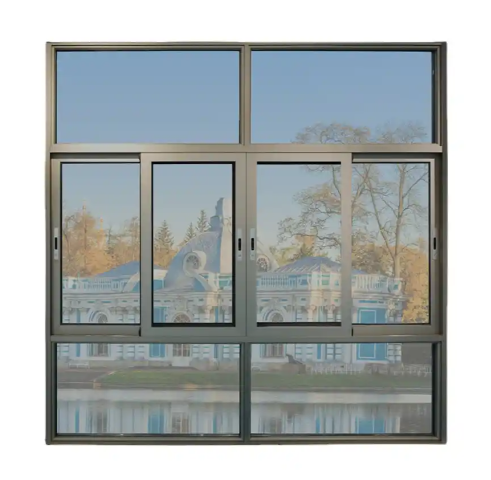
Architectural Aluminum Window Solutions

White Aluminum Window: Modern, Durable & Energy-Efficient Solutions

Explore white aluminum window systems for residential, commercial and architectural projects, including thermal-break frames, powder-coated finishes, custom sizes, double glazing, low-maintenance designs and project-ready manufacturing solutions for international buyers.

Get a quote
Buyer Research Guide

White Aluminum Window Buying Guide

A procurement-focused guide covering design, materials, thermal performance, glazing, manufacturing, finishing and project selection.

White Aluminum Window Design for Modern Buildings

1. Why white aluminum windows remain commercially attractive

White aluminum windows are widely specified because they combine a clean architectural appearance with the structural characteristics of aluminum. For architects, developers and purchasing managers, the white finish creates a neutral visual language that works with concrete, stone, brick, timber, glass and modern facade materials. Unlike some traditional frame materials, aluminum allows manufacturers to produce narrow sightlines while maintaining a strong frame structure. This makes white aluminum window systems suitable for apartments, villas, hotels, offices, retail buildings, schools and renovation projects. For procurement teams, the key advantage is that the appearance can be standardized across a project while the internal specification can be customized according to climate, glass selection, opening type and performance requirements.

2. Casement, sliding and fixed configurations

A white aluminum window does not have to follow a single configuration. Casement windows are often selected where ventilation and compression sealing are important. Sliding windows are useful when interior clearance is limited, while fixed windows can maximize daylight and provide economical areas of glazing. For large projects, fixed panels can also be combined with opening vents to create coordinated window elevations. Procurement teams should therefore define the opening configuration before requesting quotations because hardware, reinforcement, glass weight, frame geometry and installation requirements can change the final price. A good supplier should be able to provide technical drawings, section details and a configuration schedule rather than quoting only a generic price per square meter.

3. Slim sightlines and contemporary architecture

One of the strongest design reasons to choose white aluminum window systems is the possibility of creating a slim frame appearance. Modern buyers increasingly want larger glazed areas, brighter interiors and clean exterior elevations. Aluminum has a favorable strength-to-weight relationship, which allows designers to balance frame size and glass area. However, a narrow appearance should not be pursued at the expense of thermal performance or structural requirements. The correct approach is to select a tested system that combines the desired visual proportion with appropriate glass thickness, wind-load resistance, hardware capacity and thermal design.

4. Custom shapes and project-specific requirements

Commercial projects frequently require windows that are not identical to standard residential units. Dimensions may vary between floors, facade orientations may have different solar exposure, and certain openings may need special hardware or safety glazing. A capable manufacturer can develop custom white aluminum window configurations around approved profile systems. Buyers should request CAD drawings, section details, glazing specifications and hardware lists during the technical approval stage. This reduces the risk of manufacturing the wrong configuration and makes the quotation easier to compare between suppliers.

5. Appearance consistency across a project

White finishes make consistency particularly important. Differences in gloss, surface preparation, coating batch, profile orientation and fabrication can become visible when multiple windows are installed next to one another. International buyers should therefore define the finish reference, coating specification, gloss requirement, acceptable color tolerance and sample approval procedure before mass production. A production sample or physical color panel is especially useful for large developments. This is one reason professional procurement documents should describe the window as a complete system rather than simply specifying “white aluminum frame.”

Aluminum Material Selection for White Aluminum Windows

1. Aluminum alloy and extrusion quality

The performance of a white aluminum window begins with the quality and consistency of the extruded profile. Architectural window systems commonly use aluminum alloys selected for a balance of strength, formability, surface quality and corrosion resistance. Buyers should ask for the alloy designation, temper, profile drawings and relevant material documentation. Consistent extrusion dimensions are particularly important because window fabrication depends on accurate cutting, machining, corner joining and hardware installation.

2. Thermal-break aluminum profiles

A conventional aluminum profile is highly conductive, so thermally improved window systems commonly use a thermal barrier between interior and exterior aluminum sections. This reduces direct heat transfer through the frame. For projects in cold climates, hot climates or buildings with demanding energy targets, a thermally broken white aluminum window can provide a more suitable building-envelope solution than a basic non-insulated profile. The exact result depends on the profile, thermal barrier geometry, glass, spacers, seals and installation.

3. Strength and reinforcement

Large windows place greater demands on profiles, corners, glass supports and hardware. A purchasing specification should therefore consider the maximum sash size, glass weight, wind pressure, opening frequency and installation location. Reinforcement may be necessary for specific dimensions or hardware configurations. Suppliers should provide engineering confirmation instead of relying only on general statements about aluminum strength.

4. Corrosion resistance

Aluminum naturally forms a protective oxide layer, but architectural finishing provides additional protection and a controlled appearance. Coastal projects, industrial areas and locations with aggressive environmental exposure require careful selection of pretreatment, coating and hardware. Buyers should identify the project environment before selecting the finish system.

5. Recyclability and lifecycle value

Aluminum is also attractive for lifecycle-oriented procurement because it can be recycled. However, sustainability claims should be evaluated using measurable information such as recycled content, product declarations, manufacturing processes and applicable environmental documentation. A responsible purchasing process compares initial cost with expected service life, maintenance requirements and replacement risk.

Thermal Performance of White Aluminum Window Systems

1. Thermal breaks

Thermal-break technology is one of the most important considerations when selecting modern aluminum windows. The thermal barrier interrupts the direct conductive path through the metal frame. The quality of the complete window depends on the thermal barrier, frame geometry, glass specification, seals and installation details. For international projects, buyers should ask for the declared or tested U-value of the complete window rather than assuming that an aluminum profile alone represents final performance.

2. Glass and frame interaction

A high-performance frame can be undermined by poorly selected glazing. Double or triple insulated glass units, low-emissivity coatings, gas fills and warm-edge spacers can improve thermal performance depending on climate and design requirements. The final window specification should therefore evaluate the frame and glazing as one system.

3. Air leakage and water resistance

Thermal performance is not the only consideration. Air leakage and water penetration can affect comfort, durability and operating cost. High-quality seals, accurate fabrication, correct drainage paths and controlled installation are essential. Buyers should request test data appropriate to the target market instead of comparing products only by frame material.

4. Solar control

In hot climates, excessive solar gain can increase cooling demand. Solar-control glazing, external shading and appropriate window orientation can therefore be important. White frames can visually reduce solar heat absorption compared with darker surfaces, but glass specification and building orientation remain much more influential to overall solar performance.

5. Performance documentation

A professional supplier should be able to provide technical documentation, performance classifications and system details relevant to the destination market. In North America, buyers may also encounter NAFS-related requirements. The 2026 NAFS edition was published by FGIA, CSA Group and WDMA, with updates including clarification of the secondary designator for performance reporting. Buyers should therefore identify the applicable code and testing requirements before production.

Glazing Options for White Aluminum Windows

1. Double glazing

Double glazing is a practical starting point for many modern projects. Two panes separated by a sealed cavity can improve thermal and acoustic performance compared with basic single glazing. The final result depends on glass thickness, coating, cavity width, spacer and gas fill.

2. Triple glazing

Triple glazing can provide enhanced insulation where climate, energy targets or acoustic requirements justify the additional weight and cost. The window system must be engineered to carry the additional glass weight, and hardware must be selected accordingly.

3. Low-E glass

Low-emissivity coatings can reduce radiant heat transfer and can be configured for different climate objectives. The exact Low-E specification should be selected based on local solar conditions and energy requirements rather than simply choosing the most expensive option.

4. Safety and acoustic glass

Laminated, tempered and acoustic glass can address safety, security and noise-control requirements. Hotels, schools, urban apartments and roadside buildings may require acoustic optimization, while doors and low-level glazing may require safety glazing according to local codes.

5. Glass procurement

Buyers should specify glass thickness, composition, coating, spacer, gas fill, edge deletion requirements and certification. A complete glass schedule prevents suppliers from interpreting the same “double glazed window” description differently.

White Aluminum Window Finishing and Surface Quality

1. Powder coating

Powder coating is a popular architectural finish for white aluminum windows because it provides a controlled appearance and protective surface. The exact coating class should match the intended environment and project requirements. In 2026, FGIA updated its AAMA 2603, 2604 and 2605 documents covering architectural aluminum organic coatings, giving specifiers updated references for coating performance.

2. Pretreatment

Surface preparation and pretreatment are essential for coating adhesion and durability. Poor pretreatment can cause premature coating failure even when the visible powder coating initially looks acceptable. Buyers should therefore consider pretreatment controls when auditing suppliers.

3. White color consistency

“White” is not a single universal appearance. Projects may use pure white, traffic white, warm white, off-white or custom colors. A physical sample should be approved before mass production, especially where windows from multiple batches will be installed together.

4. Gloss and texture

Gloss level influences how a white window reflects surrounding light. Smooth finishes offer a clean contemporary appearance, while textured finishes can conceal minor surface marks. The finish should be clearly defined in the purchase specification.

5. Quality inspection

Before shipment, inspection should include profile appearance, color consistency, dimensions, hardware operation, glass condition, corner joints, drainage, seals and packaging. Photos and inspection reports can provide useful evidence for international buyers before containers leave the factory.

How International Buyers Should Purchase White Aluminum Windows

1. Start with a technical specification

Instead of asking several suppliers for a simple price per square meter, prepare a specification including dimensions, opening types, glass, thermal performance, finish, hardware, quantity and destination market.

2. Compare complete system quotations

A quotation should identify what is included: profiles, glass, hardware, seals, screens, packaging, testing, documentation, accessories and delivery terms. This makes supplier comparisons more meaningful.

3. Request samples

A sample window allows buyers to evaluate frame appearance, corner quality, hardware movement, gasket installation, glass edge quality and finishing. Samples are particularly valuable before large-scale orders.

4. Verify production capability

For large projects, buyers should examine extrusion sourcing, fabrication equipment, powder coating, glazing, quality control, packaging and export experience. A factory capable of producing a standard window may not necessarily be equipped for a complex project with hundreds of unique sizes.

5. Protect the project with inspection milestones

Define sample approval, first-article approval, pre-production inspection, production inspection and final inspection where appropriate. This creates a controlled process from quotation to shipment and reduces expensive corrections after installation.

Specification Comparison

White Aluminum Window Specification Table

Use this table as a starting point for comparing supplier quotations.

Specification Entry Level Standard Commercial High Performance Buyer Consideration
Frame Non-thermal aluminum Thermal-break aluminum Advanced thermal-break system Match climate and building code
Finish Basic powder coating Architectural powder coating High-performance coating Confirm coating specification
Glass Single glazing Double insulating glass Double/triple Low-E glass Consider U-value and solar gain
Opening Fixed/sliding Casement/sliding/fixed Custom multi-configuration Confirm ventilation requirements
Hardware Standard Commercial grade Premium tested hardware Consider cycle frequency
Acoustic Basic Improved Project-specific acoustic package Important near traffic and airports
Customization Limited Moderate High Provide technical drawings
Best Application Budget projects Residential/commercial Premium architecture Balance CAPEX and lifecycle value
Procurement FAQ

White Aluminum Window Frequently Asked Questions

Detailed answers for importers, distributors, contractors, architects and project purchasers.

1. Are white aluminum windows a good choice for residential and commercial buildings?

Yes. White aluminum windows can be a strong choice for both residential and commercial applications because aluminum provides a combination of structural strength, design flexibility, dimensional stability and low routine maintenance. The white finish is particularly versatile because it works with many facade materials and architectural styles. For a buyer, however, the important question is not simply whether aluminum is suitable, but which aluminum window system is appropriate for the specific project. A small residential project in a mild climate may require a different profile and glass specification from a high-rise building exposed to strong wind or a coastal development exposed to salt air. Buyers should therefore evaluate profile depth, thermal-break construction, glass, seals, drainage, hardware, surface finish and applicable performance testing. A good specification also defines the opening type, maximum dimensions and installation method. White aluminum windows are especially attractive when a project needs a consistent facade appearance across many units. The supplier should provide a physical finish sample before mass production, because different coating systems and gloss levels can create visible differences between batches. For commercial buyers, documentation is equally important. Drawings, test information, coating specifications, glass details and quality-control procedures make it easier to compare manufacturers objectively. In short, white aluminum windows are not simply a cosmetic product; they are part of the building envelope. The best purchasing decision comes from treating the frame, glass, seals, hardware, finish and installation as one engineered system.

2. What should buyers check when choosing a white aluminum window manufacturer?

Buyers should evaluate a manufacturer from both technical and commercial perspectives. First, check whether the supplier can provide detailed profile drawings, system sections, material specifications and window configuration details. Second, confirm how aluminum profiles are sourced and whether extrusion dimensions are controlled. Third, inspect the finishing process, including pretreatment, powder coating, curing and color inspection. Fourth, evaluate the fabrication process: cutting accuracy, CNC machining, corner assembly, hardware installation, glazing and sealing. Fifth, confirm whether the factory can manufacture the required quantity while maintaining consistent quality. International purchasers should also evaluate packaging because finished aluminum windows can be damaged during long-distance transportation if protection is inadequate. Another important factor is documentation. A professional supplier should be able to prepare packing lists, commercial invoices, product specifications, drawings and other documents required for export and project approval. Buyers should also ask about inspection procedures and whether pre-shipment inspection is possible. For large projects, it is advisable to approve a sample or first article before full production. Cost should not be evaluated independently from specification. A low quotation may exclude glass, hardware, screens, packaging or certain finishing requirements. Comparing complete quotations on an identical technical specification is much more reliable. Finally, consider communication speed and engineering support. Window projects often involve many dimensions and revisions, so a supplier that can manage technical drawings, revision control and production schedules may deliver significantly better project value than a supplier offering only a low initial unit price.

3. What is the difference between thermal-break and non-thermal white aluminum windows?

The primary difference is the presence of a thermal barrier between the interior and exterior portions of the aluminum frame. Aluminum is an excellent structural material but also conducts heat efficiently. A non-thermal profile creates a relatively direct path for heat transfer through the metal. A thermal-break system introduces a lower-conductivity barrier, often combined with a more sophisticated multi-chamber profile and sealing arrangement. This can reduce thermal bridging and improve the overall performance of the completed window. For procurement purposes, the choice should be based on the building's climate, energy target, glazing specification and applicable code rather than simply on the phrase “thermal break.” Buyers should request performance data for the complete window where available. The frame alone does not determine the final U-value. Glass, spacers, seals, sash dimensions and installation details also affect performance. Thermal-break windows are commonly considered for air-conditioned or heated buildings, premium residential developments, offices, hotels and projects with demanding energy targets. Non-thermal systems can still be appropriate for interior partitions, mild climates, unconditioned spaces or applications where thermal performance is not a priority. A good supplier should explain the difference between profile thermal properties and whole-window performance. Buyers should also consider condensation risk. In cold climates, a poorly insulated frame can contribute to lower interior surface temperatures and potential condensation. Therefore, when a project has strict energy or comfort requirements, the window should be evaluated as part of the entire building envelope.

4. How should buyers specify the white finish on aluminum windows?

The word “white” alone is usually not detailed enough for a commercial purchase order. White can vary in tone, gloss and surface texture, and differences can become obvious when many windows are installed on the same building. A professional specification should identify the coating system, color reference, gloss level, surface texture and required performance class where applicable. For architectural powder coating, buyers should discuss the relevant performance requirements with the manufacturer and specify the standard appropriate to the destination market and exposure conditions. A physical color sample is strongly recommended before mass production. This sample can be approved by the architect, developer or purchasing department and then retained as the visual reference for production. Buyers should also ask how the supplier controls coating thickness, pretreatment, curing temperature and appearance. The finish should be inspected under appropriate lighting, because small differences can be more visible under direct sunlight. Coastal and industrial environments may require a more robust finishing specification than sheltered inland locations. Hardware should also be considered because white frames paired with mismatched handles or accessories can reduce the overall appearance. If a project uses multiple profile batches, the supplier should have a process for controlling color consistency. For large international projects, it is useful to define acceptable appearance criteria in the technical specification rather than relying on informal communication. Properly specified white aluminum finishing improves not only visual consistency but also long-term confidence in the product's weatherability and maintenance characteristics.

5. How much do white aluminum windows cost?

There is no universal price for a white aluminum window because the cost is influenced by profile system, aluminum weight, thermal-break construction, dimensions, glass, hardware, coating, opening configuration, order quantity, packaging and destination. A small fixed window using a standard profile can be dramatically less expensive than a large thermally broken casement with triple glazing and premium hardware. For international procurement, buyers should also distinguish between ex-factory price and delivered project cost. Freight, packaging, insurance, duties, local handling and installation can materially affect the final budget. The most useful way to obtain comparable pricing is to prepare a detailed window schedule. Each line should identify width, height, quantity, opening type, glass specification, frame finish, hardware and any special requirements. The supplier can then calculate material usage and fabrication requirements more accurately. Buyers should be cautious when comparing suppliers solely by a price per square meter because two quotations may contain different specifications. One may include glass and hardware while another may quote only the frame. The 3D comparison section above provides a general framework for understanding how material and manufacturing choices can affect relative cost. These figures are not fixed market prices; they are procurement guidance. For a real project, request a formal quotation based on approved drawings. The best purchasing decision is usually not the cheapest initial quotation, but the quotation that offers the right combination of performance, durability, manufacturing consistency, logistics and lifecycle value.

6. Which glass is recommended for white aluminum windows?

The appropriate glass depends on climate, orientation, energy objectives, acoustic requirements, safety regulations and project budget. Double insulating glass is a common choice for modern buildings because the sealed cavity can improve thermal and acoustic performance compared with single glazing. Low-E coatings can further improve thermal control, while different coating configurations can be selected depending on whether the project prioritizes heat retention or solar control. Triple glazing can be appropriate for colder climates or high-performance buildings, but the additional weight must be considered when selecting frames and hardware. Laminated glass may be appropriate where safety, security or acoustic performance is important. Tempered glass may be required for certain safety applications. Buyers should not simply specify “double glass” because this does not identify the glass thickness, composition, cavity, spacer, gas fill or coating. A professional glazing schedule should describe the complete glass make-up. For large projects, it is also useful to coordinate glass specifications with window dimensions because larger panes create higher structural and handling requirements. The glass should be compatible with the selected aluminum system and glazing bead. If the project has energy modeling requirements, the window supplier should provide the necessary performance data for the selected configuration. For acoustic projects, the sound-control performance of the complete window assembly should be considered rather than selecting glass solely by thickness. In short, the best glazing solution is project-specific and should be selected together with the frame system.

7. Can white aluminum windows be customized for international projects?

Yes. Aluminum window systems are highly adaptable to international project requirements, provided the manufacturer has the appropriate engineering and fabrication capability. Customization can include width and height, opening direction, fixed or operable sections, frame depth, glass configuration, hardware, insect screens, drainage, color, surface texture and accessories. For larger projects, customization should be controlled through drawings rather than verbal descriptions. The buyer should provide architectural elevations, opening schedules and relevant technical requirements. The manufacturer can then prepare shop drawings for approval. One of the biggest advantages of this process is that every window can be assigned a unique identification number. That number can appear on the drawing, fabrication schedule, packing list and installation plan. This reduces confusion on large sites. Custom projects also require attention to minimum and maximum dimensions. Very large sashes may require additional reinforcement or different hardware. Glass weight may become a critical factor, and transportation packaging may need to be strengthened. Buyers should also confirm whether the supplier can reproduce the same profile and finish for future phases of the project. If the building will be constructed over several years, continuity of system components can be commercially important. A reliable manufacturer should explain which aspects are standard system components and which are custom fabricated. This makes future replacement and maintenance easier. Therefore, customization is feasible, but it should be managed as an engineering process rather than treated as unlimited fabrication flexibility.

8. What quality-control process should be used before importing white aluminum windows?

A structured quality-control process can significantly reduce the risk of receiving unsuitable windows. The first stage should be technical document approval, where profile sections, dimensions, glass specifications, hardware and finish are confirmed. The second stage can be sample approval. A representative finished window should be inspected for appearance, dimensions, opening operation, corner joints, gasket installation, glass condition and accessories. The third stage is production inspection, where the buyer or an independent inspection company checks whether mass production follows the approved sample. Dimensional checks are especially important because incorrect dimensions can create expensive site problems. Finish inspection should look for scratches, coating defects, inconsistent color, contamination and visible surface damage. Hardware should be operated repeatedly to identify obvious installation problems. Glass should be checked for chips, cracks, seal failure and incorrect specification. Packaging should also be inspected because a technically perfect window can still arrive damaged if the protection system is inadequate. For container shipments, windows should be protected against movement, impact and moisture accumulation. The final inspection should compare actual quantities against the packing list and approved schedule. Photos and inspection records should be retained. For larger projects, buyers can establish acceptance criteria before production begins. This is much more effective than negotiating quality issues after the shipment arrives. A professional inspection process protects the buyer, manufacturer and project team because everyone works against the same approved standard.

3D Cost Comparison

White Aluminum Window Materials & Manufacturing Cost Factors

Hover over each card to rotate it and see the procurement-side comparison.

Standard Aluminum

$

Lower material complexity and suitable for basic applications where thermal performance is not the primary requirement.

Buyer Profile

Budget

Best suited to mild climates, interior applications or projects with basic specifications. Always confirm the required performance before selecting.

Thermal-Break Aluminum

$$

A higher-value system using a thermal barrier to improve frame insulation and building-envelope performance.

Buyer Profile

Commercial

Suitable for residential developments, offices, hotels and energy-conscious projects where whole-window thermal performance matters.

Premium System

$$$

Advanced profiles, premium glazing, upgraded hardware and higher finishing or testing requirements increase the total specification.

Buyer Profile

Premium

Recommended for demanding architectural projects, luxury residences and buildings requiring advanced energy, acoustic or weather performance.

Project Solutions

White Aluminum Window Solutions by Application

In-Depth Buyer Guide

Complete Guide to White Aluminum Window Procurement

Understanding the Commercial Value of White Aluminum Windows

White aluminum window systems occupy an important position in modern building design because they combine a visually neutral architectural appearance with the engineering flexibility of aluminum. For international buyers, the phrase “white aluminum window” represents much more than a color choice. It can describe an entire building-envelope system including extruded aluminum profiles, thermal barriers, glazing, gaskets, hardware, drainage components, surface finishing and installation interfaces. Understanding these components helps procurement teams avoid one of the most common purchasing mistakes: comparing quotations that appear similar but actually contain different specifications.

White is often selected because it is compatible with a wide range of architectural materials. A white frame can sit comfortably beside natural stone, concrete, brick, timber, ceramic panels and modern curtain wall systems. It can also provide a bright visual appearance without requiring an aggressive architectural color. For residential developers, white windows can support a familiar and marketable appearance. For commercial projects, the same color can create a consistent facade across multiple buildings or phases.

However, appearance should not be the only reason for selection. A professional buyer should first define performance requirements and then select the appropriate system. Climate is one of the most important variables. A building in a cold climate may prioritize thermal insulation and condensation control, while a building in a hot climate may prioritize solar control, ventilation and reduction of cooling loads. Coastal buildings introduce additional concerns related to corrosion exposure. High-rise buildings require careful consideration of wind pressure, drainage and glass weight.

Aluminum Profiles and Structural Design

Profile geometry

The geometry of an aluminum window profile affects strength, appearance, glazing capacity and thermal behavior. Modern systems may use multiple chambers, thermal barriers and dedicated reinforcement areas. A slim visible frame can create a desirable architectural appearance, but the frame still needs sufficient structural capacity for its intended dimensions and glass load. Buyers should therefore request profile cross-sections and technical drawings rather than evaluating products only from photographs.

Thermal-break construction

Thermal-break profiles introduce a low-conductivity barrier between sections of aluminum. The objective is to reduce heat transfer through the frame. The performance of the final window depends on the geometry of the barrier, installation quality, glazing, gaskets and other components. A supplier claiming that a product is “highly insulated” should ideally provide measurable performance information.

Large-format windows

Architectural trends increasingly favor larger glass areas. This creates greater requirements for frame strength, glass handling, hardware capacity and installation. When a project uses large white aluminum windows, the purchasing team should provide exact dimensions and glass make-up at the quotation stage. If dimensions are still provisional, the supplier should clearly state the assumptions used to calculate the price.

Glass Selection for White Aluminum Window Projects

Glass can represent a substantial proportion of the total window cost, especially when high-performance glazing is required. Buyers should avoid the vague specification “double glass” and instead describe the complete insulating glass unit. Important parameters include glass thickness, pane composition, cavity width, gas filling, Low-E coating, spacer type and safety requirements.

Double glazing is suitable for many modern projects, but triple glazing can be considered where higher insulation performance is needed. The additional glass weight must be supported by the frame and hardware. In some applications, laminated glass can provide acoustic or safety benefits, while tempered glass can be required for impact-safety applications. The correct solution depends on local regulations and project conditions.

Solar control is another important factor. In warm climates, excessive solar radiation through large glazed areas can increase cooling demand. A window package may therefore combine a white aluminum frame, solar-control glass, external shading and appropriate building orientation. Window performance should be considered as part of the whole facade rather than as an isolated component.
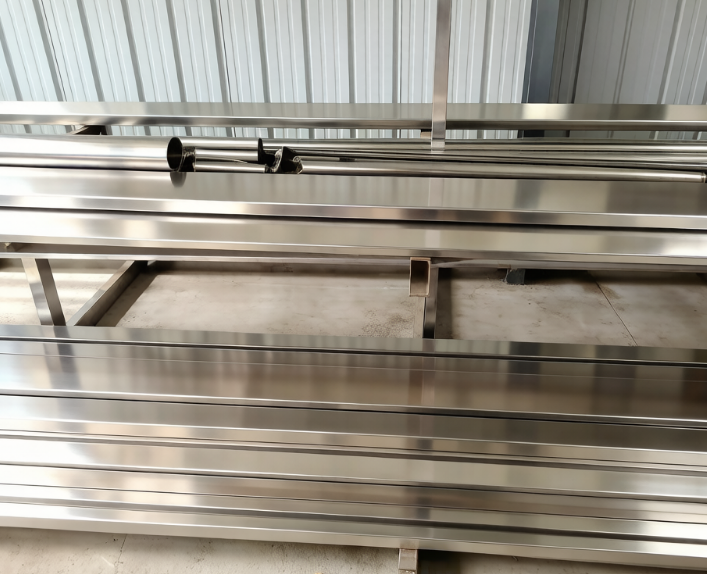
white aluminum window custom thermal break frame and architectural glazing solution

Powder Coating and White Surface Finishing

The visible quality of a white aluminum window is strongly influenced by the finishing process. Powder coating can provide an attractive architectural surface, but good results depend on surface preparation, pretreatment, coating application and curing. A buyer evaluating suppliers should therefore ask how the manufacturer controls each stage.

Color consistency deserves special attention. Large developments may contain hundreds or thousands of windows, and small differences between production batches can become visible after installation. A physical color sample should be approved before mass production. The sample can then serve as the visual reference for subsequent production batches.

Gloss level is another consideration. A high-gloss white surface reflects more light and can appear very clean, while a lower-gloss or textured finish may provide a softer architectural appearance. The choice should be documented in the purchase order.

The 2026 updates from FGIA to AAMA 2603, AAMA 2604 and AAMA 2605 provide an updated reference framework for organic coatings used on architectural aluminum extrusions and panels. Buyers targeting North American or specification-driven projects should discuss the applicable coating requirement with their architect and supplier.

Hardware and Window Operation

Hardware affects both user experience and long-term reliability. A window may have a high-quality aluminum profile, but poor hardware selection can cause premature operating problems. The appropriate hardware depends on sash size, glass weight, opening frequency, security requirements and local environmental conditions.

Casement windows generally require hinges, handles, locking points and friction or support mechanisms suitable for the sash dimensions. Sliding windows require rollers and tracks capable of supporting the specified load. Large windows can place significant forces on hardware, so suppliers should confirm the maximum recommended dimensions.

For commercial buildings, cycle frequency may be higher than in a private home. Hotels, offices, schools and retail buildings can therefore require more robust components. Hardware finish should also coordinate with the white frame and overall architectural concept.

Weather Resistance and Building Envelope Performance

A window is part of the building envelope, so water and air management are fundamental. Rainwater must be directed through appropriate drainage paths rather than being allowed to accumulate inside the frame. Gaskets and seals must be installed correctly, and corners must be assembled with sufficient accuracy.

Wind performance is particularly important for high-rise buildings and exposed locations. The required design pressure should be established before final window selection. Large glass areas may create substantial loads, and the frame, glass and anchoring system must work together.

In North America, purchasers may encounter requirements associated with NAFS. The 2026 edition of the North American Fenestration Standard was published in June 2026. FGIA notes that the updated standard clarifies the secondary designator used for performance reporting and addresses values related to positive and negative design pressure and water penetration resistance. Buyers should identify the standard required by the project's local code before placing an order.

White Aluminum Windows for Different Climate Zones

Cold climates

Cold-climate projects generally benefit from thermally broken profiles, high-performance insulating glass, appropriate spacers and carefully designed seals. Condensation control can become an important design objective. Buyers should evaluate whole-window performance rather than looking only at the nominal frame specification.

Hot climates

Hot-climate projects may prioritize solar control, ventilation and reduced cooling loads. Glass selection can be particularly important where windows occupy a large percentage of the facade. White surfaces can also support a lighter visual appearance, although the glass and shading strategy remain critical.

Coastal climates

Coastal projects require additional attention to finishing, fasteners, hardware and maintenance. Salt exposure can accelerate corrosion of unsuitable components. Buyers should communicate the site's environmental exposure to the manufacturer so the appropriate finish and accessories can be selected.

Manufacturing Process for White Aluminum Windows

A professional manufacturing process normally begins with material preparation and profile inspection. Profiles are then cut according to the approved fabrication schedule. Depending on the system, CNC machining may be used to prepare drainage openings, hardware interfaces and other precision features.

Corner assembly is another important step. Poor corner joints can affect both appearance and weather performance. The supplier should have defined quality standards for corner alignment, sealing and mechanical strength.

Glass installation must also be controlled. Incorrect setting blocks, gaskets or glazing clearances can create stress on the glass or affect operation. For insulated glass units, the factory should protect the edges and ensure the correct glazing system is used.

Before packaging, the finished unit should be inspected. Dimensions, frame appearance, coating, glass, hardware, seals, operation and accessories should be checked. For large orders, the inspection should be based on a documented quality-control plan.

Packaging and International Shipping

International transportation introduces another layer of risk. White surfaces can be visually sensitive to scratches, abrasion and impact. Protective films, corner protectors, foam, separators and suitable crates or frames can help reduce damage.

Packaging should also consider container loading. Windows should be secured to prevent movement during transportation. If the product is exposed to moisture inside a container, appropriate ventilation and protective measures may be required depending on the packaging method and shipping duration.

Each package should ideally have clear identification linked to the production schedule. Window numbers, dimensions, project areas and quantities can make installation significantly easier. This is especially important when many windows have similar dimensions but different opening directions.

How to Compare International Suppliers

The best supplier comparison starts with a standardized technical specification. Send the same drawings and requirements to every supplier. Ask each company to quote the same profile type, glass configuration, finish, hardware and packaging requirements. This prevents the common situation where a low quotation is created by removing important components.

Price should then be divided into comparable categories: aluminum profiles, fabrication, glass, hardware, finishing, packaging, testing and logistics. Buyers can also compare lead time, payment terms, warranty, engineering support and quality-control procedures.

Supplier communication is a practical indicator of capability. If a manufacturer asks detailed questions about dimensions, wind pressure, glass, opening type and destination market, that can indicate a more engineering-oriented approach. Conversely, a quotation produced without any technical clarification may require additional verification.

Why Technical Documentation Matters

For project purchasing, technical documents reduce ambiguity. A complete package may include profile sections, window elevations, glazing schedules, hardware lists, performance data, finishing specifications, installation instructions and packing lists.

Documents also support future maintenance. If a window component needs replacement several years after installation, the project team needs to know which system and hardware were originally supplied. Proper documentation therefore creates value beyond the initial purchase.

Commercial Considerations for Importers

Importers should calculate total landed cost rather than comparing factory prices alone. Landed cost can include product value, inland transportation, export handling, freight, insurance, customs duties, destination charges and local delivery.

Minimum order quantities can also influence pricing. A supplier may offer a lower unit price for standardized, high-volume production, while a small custom order may carry higher engineering and setup costs. Buyers should ask whether tooling, color changes or special profile development create additional charges.

Lifecycle Value of White Aluminum Windows

The lowest purchase price is not always the lowest lifecycle cost. A window that has better thermal performance, more durable finishing and reliable hardware may reduce maintenance and replacement costs over time. The correct evaluation therefore considers initial price, expected service life, energy performance, maintenance, warranty and replacement availability.

For developers, lifecycle value can also influence the marketability of a property. Modern windows can contribute to comfort, appearance and energy performance. For commercial buildings, reliable operation can reduce maintenance interruptions and improve occupant experience.

Final Procurement Checklist

  • Confirm exact window dimensions and opening types.
  • Confirm aluminum alloy and profile system.
  • Specify thermal-break requirements where applicable.
  • Define glass composition and performance.
  • Specify white color reference and gloss level.
  • Confirm hardware brand/specification or performance requirements.
  • Define applicable air, water and structural performance requirements.
  • Request drawings and technical documentation.
  • Approve a physical sample before mass production.
  • Confirm packaging and container-loading method.
  • Establish inspection milestones.
  • Compare complete quotations rather than price per square meter alone.
  • Confirm delivery schedule and export documentation.
  • Keep approved drawings and specifications for future replacement.

For buyers searching for a dependable white aluminum window supplier, the most effective strategy is to combine technical specification, sample approval, factory evaluation and commercial comparison. A modern aluminum window is a system, not merely a frame. When profile design, glazing, thermal performance, finishing, hardware, fabrication, quality control and logistics are evaluated together, purchasing decisions become more transparent and project risks are easier to manage.

Global Supplier Research

10 Representative Global Aluminum Window System Suppliers

This is a representative supplier research list rather than an objective ranking. Buyers should compare the actual product system, certification, project requirements and regional availability.

01

Schüco

International aluminum window and facade system provider with a broad range of architectural solutions.

02

Reynaers Aluminium

European aluminum building-system supplier offering window, door, sliding and facade solutions.

03

ALUPROF

Aluminum system provider offering multiple window and door systems, including thermally insulated solutions.

04

TECHNAL

Hydro brand focused on premium aluminum windows, doors, sliding systems and architectural solutions.

05

WICONA

Aluminum building solutions including WICLINE window systems and broader facade technologies.

06

Kawneer

Architectural aluminum systems covering windows, curtain walls, storefronts and performance solutions.

07

YKK AP

Architectural window, door and facade systems with engineering and performance-oriented product ranges.

08

CORTIZO

European aluminum building systems covering windows, doors, facades and architectural applications.

09

Hydro Building Systems

Global aluminum building-system portfolio associated with multiple architectural brands and solutions.

10

Regional Custom Manufacturers

Qualified regional fabricators can offer project-specific manufacturing, OEM production and competitive customization.

Product Discovery

Related Aluminum Window Products

Automatically display related WooCommerce products.

Industry Knowledge

Latest Aluminum Window Articles

Automatically display recent WordPress posts.

aluminium window company

aluminium window company

Aluminium Window Company | Custom Aluminium Windows Manufacturer & Supplier HOME PRODUCTS NEWS ABOUT US…

Industry News · 2026

Latest Global Aluminum & Fenestration News

Selected industry developments and standards relevant to aluminum window buyers. External links open the original source.

June 1, 2026 · FGIA

2026 North American Fenestration Standard Published

FGIA announced the publication of the 2026 NAFS standard for windows, doors and skylights. The update includes clarification of the secondary designator used for performance reporting.

Read Original Source →
May 19, 2026 · FGIA

Updated Aluminum Extrusion Finish Documents

FGIA released updated AAMA 2603, 2604 and 2605 documents covering organic coatings for architectural aluminum extrusions and panels.

Read Original Source →
March 16, 2026 · Window + Door

Updated Architectural Aluminum Care & Handling Guidance

FGIA updated its manual covering care and handling of architectural aluminum products from shop through transportation, storage and installation.

Read Original Source →
September 25, 2026 · EXPO Kielce

Aluminum Discussed at WinDoGlass Innovation

Industry experts discussed the role of aluminum in windows, doors and building joinery and the direction of the market during WinDoGlass Innovation.

Read Original Source →
September 24, 2026 · AL Circle

China Aluminum Extrusion Market Faces Structural Changes

Recent industry reporting highlighted weaker construction extrusion demand in China while industrial, solar and new-energy applications showed stronger resilience.

Read Original Source →
September 2026 · Window News

Aluminum Window & Door Industry Developments

Recent UK fenestration coverage includes developments in aluminum sliding doors, installation demand, aluminum system expansion and new product introductions.

Read Original Source →

Looking for a Reliable White Aluminum Window Supplier?

Send your window schedule, drawings, dimensions, glass requirements and target quantity. A professional quotation can then be prepared around your actual project specification instead of a generic price-per-square-meter estimate.

Get a quote