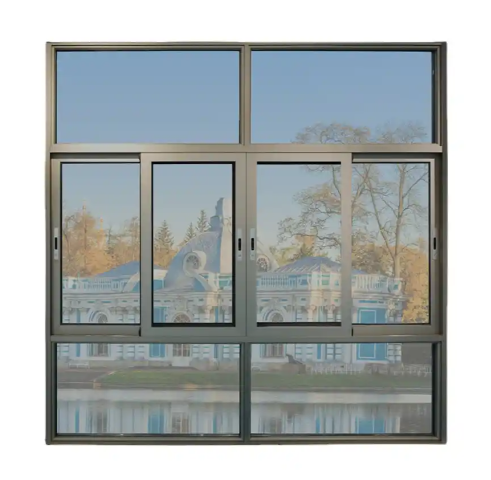
Black Aluminum Window: Complete Guide for International Buyers
Black aluminum windows have moved beyond being a simple color preference. In contemporary architecture, the frame finish has become part of the overall façade strategy, while the underlying aluminum system determines structural strength, thermal performance, weather resistance, durability and installation requirements. For importers, developers, contractors, architects and distributors, selecting the right black aluminum window therefore requires a broader evaluation than comparing photographs and unit prices.
The purpose of this guide is to help professional buyers understand the key decisions involved in purchasing black aluminum windows for international projects. The information combines general architectural window engineering principles with current industry references and manufacturer information. Product performance should always be confirmed against the specific system, project drawings and applicable local building requirements.
1. What Is a Black Aluminum Window?
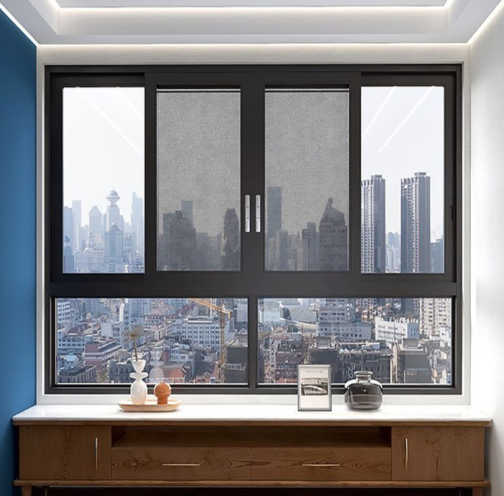
A black aluminum window is an architectural window system in which the visible aluminum frame is finished in a black surface treatment. The window can use different opening configurations, including casement, sliding, fixed, awning, tilt-and-turn or other project-specific designs. The black finish may be produced using powder coating, anodizing or another approved architectural coating system. The frame can then be combined with single, double or triple glazing depending on the project requirements.
The phrase "black aluminum window" therefore describes the visible frame appearance rather than one specific technical design. Two products can both be marketed as black aluminum windows while having very different thermal performance, profile depth, glass specification, hardware and weather resistance. Buyers should always request the complete technical specification.
Black aluminum window as an architectural design element
Black frames create a strong visual outline around glazing. This can emphasize window openings and provide contrast against light-colored façades. The look works particularly well with contemporary residential architecture, industrial-inspired interiors, minimalist commercial buildings and hospitality projects.
Black aluminum window versus black-colored plastic windows
A buyer should distinguish between an aluminum frame with a black architectural coating and other frame materials that simply use a black surface color. Aluminum provides a combination of strength, dimensional stability, fabrication flexibility and relatively low maintenance that makes it widely useful in architectural applications. The exact performance still depends on system engineering.
2. Why Buyers Choose Black Aluminum Windows
The first major reason is appearance. A consistent black frame can unify a building's windows, doors and façade details. The second reason is aluminum's suitability for precision architectural manufacturing. The third is customization. Buyers can configure frame dimensions, opening styles, glass, hardware and finishes according to project requirements.
Another important factor is supply flexibility. A manufacturer experienced in international project procurement can often coordinate profile fabrication, glass processing, assembly, quality inspection, protective packaging and shipping. This can reduce the number of suppliers involved in a project.
Modern appearance
Black frames can make glazing appear more visually defined and can complement concrete, stone, wood, brick and metal façades. The result is particularly effective when the same color language is used across multiple architectural components.
Strong and lightweight frame material
Aluminum is widely used in window manufacturing because it can provide useful structural performance without the mass associated with some alternative materials. Profile extrusion also allows manufacturers to create complex cross-sections with chambers, drainage paths, hardware interfaces and thermal-break components.
Flexible project customization
A professional manufacturer can adapt window dimensions, glass configuration, hardware and finish to a project. This is important for international buyers because local architecture, climate and building codes vary significantly.
3. Thermal Performance and Energy Efficiency
Thermal performance should be one of the most important procurement considerations. Aluminum conducts heat efficiently, so an ordinary aluminum frame can transfer heat more readily than an insulated frame. Modern thermal-break aluminum windows address this by introducing an insulating separation between the exterior and interior sections.
The glass is equally important. Insulated glazing, Low-E coatings, gas-filled cavities and appropriate spacers can improve the thermal performance of the glazing area. The final performance depends on the combination of frame, glass and installation.
Thermal-break aluminum systems
Thermal-break construction is particularly relevant for projects with demanding energy targets. The profile design must be evaluated together with glass and seals. Buyers should request system-level data rather than relying on marketing statements.
Low-E glazing
Low-E glass can reduce radiative heat transfer and influence solar performance. The correct coating should depend on climate and building orientation. A supplier should therefore understand where the project will be installed before recommending a glazing configuration.
Condensation control
Good thermal design can also help reduce the risk of condensation on interior frame surfaces. However, condensation depends on indoor humidity, outdoor temperature, thermal bridges, ventilation and installation. It should be treated as a building-system issue rather than a single-window issue.
4. Black Powder Coating and Surface Treatment
The surface finish determines much of the visual character of a black aluminum window. Powder coating can provide a broad range of colors, including many black and near-black architectural shades. Anodizing can provide a different metallic appearance and is also available in black tones.
Current industry guidance emphasizes that color selection should include the finish system, color reference, texture and gloss rather than simply the word "black." Buyers should approve physical samples because digital screens can display colors differently.
Powder coating
Powder coating is widely used for architectural aluminum. The process involves applying powder to the prepared aluminum surface and curing the coating. Proper pretreatment and process control are essential for long-term performance.
Anodized black aluminum
Anodizing creates an electrochemically formed oxide layer. The appearance differs from powder coating and may be preferred when the project wants a more metallic architectural character. Color range and appearance should be confirmed with physical samples.
Color consistency
For large projects, color consistency should be treated as a procurement requirement. The buyer should specify the approved color reference and require supplier control over production batches. A mock-up can help confirm the finished appearance before mass production.
5. Glass Selection for International Projects
Glass represents a substantial portion of a window's visible area and performance. Selecting the right glazing requires consideration of thermal performance, safety, acoustic requirements, solar exposure and structural loading.
Double glazing
Double insulated glazing is widely used for modern residential and commercial windows. It can improve thermal and acoustic performance compared with single glazing, depending on the complete construction.
Triple glazing
Triple glazing can be valuable for demanding energy-performance targets, particularly in cold climates. However, the additional glass weight requires compatible frames and hardware.
Laminated glazing
Laminated glass can provide safety and acoustic advantages. It can be considered for projects where impact resistance or noise reduction is important.
Tempered glazing
Tempered glass provides increased strength and safety characteristics. The correct application should follow the building code and project requirements.
6. Black Aluminum Windows for Residential Buildings
Residential buyers increasingly use black aluminum windows to create strong contrast between frames and walls. Modern villas, townhouses and luxury residences can benefit from large glazed openings combined with narrow architectural frames.
For residential procurement, the window should be evaluated according to room use. Bedrooms may prioritize acoustic performance, living rooms may prioritize daylight and views, while bathrooms may require privacy glazing and ventilation. The same black finish can therefore be applied across several window types while the internal specifications vary.
7. Black Aluminum Windows for Apartments
Apartment projects require consistency. A developer may need hundreds of windows across multiple floors and several building elevations. A standardized profile and glass specification can simplify manufacturing and installation. Special units should be clearly separated from standard units in the window schedule.
Procurement teams should also consider replacement units and spare hardware. Future maintenance becomes easier when the supplier maintains consistent product records.
8. Black Aluminum Windows for Hotels
Hotels require a balance between appearance, guest comfort, durability and maintenance. Black frames can support a premium contemporary design, while insulated glazing and suitable seals can help improve interior comfort. Acoustic requirements can be especially important in urban locations.
Hotel procurement should therefore include acoustic requirements, hardware durability, opening cycles, cleaning access and spare-parts availability. These requirements should be communicated before the final quotation.
9. Black Aluminum Windows for Offices
Office buildings often require coordinated façade design and reliable long-term operation. Black aluminum windows can be integrated with storefronts, curtain walls and doors to create a consistent exterior appearance.
For commercial projects, buyers should request shop drawings and confirm interfaces between window frames and the building envelope. This reduces installation conflicts and site modifications.
10. Black Aluminum Windows for Renovation
Renovation projects are different from new construction because the existing opening and surrounding wall may have irregularities. Replacement windows must be measured carefully. Retrofit or replacement systems can be designed to work with existing conditions, but the correct installation method must be confirmed.
Japan's official 2026 window renovation program, for example, describes cover-method replacement in which a new window frame is installed over the existing frame while upgrading the glazing and insulation performance. This illustrates the broader trend toward improving the performance of existing buildings through window renovation.
11. Quality Control for Black Aluminum Windows
Quality control should begin with raw material and continue through extrusion, machining, coating, assembly, glazing, inspection and packaging. Buyers should ask suppliers to explain their inspection points.
Dimensional inspection
Frame dimensions should be checked against approved shop drawings. This is especially important for custom windows because even small dimensional differences can affect installation.
Surface inspection
The black coating should be checked for scratches, uneven appearance, visible defects and color consistency. Physical samples provide a useful reference.
Operational inspection
Windows should be checked for correct opening, closing, locking and hardware operation before shipment.
Packaging inspection
Export packaging should protect glass and finished aluminum surfaces against abrasion, impact and moisture during handling and transportation.
12. How to Request a Professional Black Aluminum Window Quote
The most effective way to obtain a reliable quotation is to provide a complete project brief. Include the project country, quantity, dimensions, opening style, glass, color, thermal requirements and delivery destination.
- Project location and building type
- Window schedule or architectural drawings
- Required dimensions
- Opening configuration
- Black color reference
- Glass specification
- Thermal and acoustic targets
- Required standards
- Quantity and delivery schedule
- Packaging and shipping requirements
13. Current Industry Direction
The broader building-products market continues to place greater emphasis on energy efficiency, renovation and performance-based procurement. Recent market research describes continuing growth expectations for aluminum windows and doors, with thermally broken frames and high-performance glazing among important product directions.
Current industry reporting also shows that construction demand is uneven across regions. This makes procurement planning particularly important. Buyers should pay attention to lead times, aluminum prices, shipping conditions, energy costs and local construction activity rather than assuming that market conditions are identical worldwide.
14. Why Long-Term Supplier Relationships Matter
For distributors and repeat project buyers, the most valuable supplier is often the one that can reproduce an approved specification consistently. A stable relationship allows both sides to maintain drawings, color standards, hardware specifications and quality records.
This is particularly important for black aluminum windows because color consistency and component compatibility can become difficult when multiple suppliers are used for the same building. A single coordinated manufacturer can reduce technical communication and simplify responsibility.
15. Black Aluminum Window Procurement Checklist
Before placing a purchase order, buyers should verify the following:
- Approved aluminum profile specification
- Thermal-break requirement
- Glass build-up
- Black finish and color reference
- Hardware specification
- Gasket and sealing system
- Dimensions and tolerances
- Performance requirements
- Testing or certification requirements
- Packaging method
- Quantity and delivery schedule
- Warranty and after-sales support
16. Final Advice for Buyers
The best black aluminum window is not necessarily the cheapest or the visually thinnest product. It is the system that satisfies the project's architectural, structural, thermal, acoustic, safety and commercial requirements while remaining practical to manufacture and install.
For buyers comparing manufacturers, the most reliable approach is to issue the same technical specification to several suppliers, compare complete quotations, request samples, verify documentation and evaluate communication before mass production. This method turns black aluminum windows from a commodity purchase into a controlled architectural procurement decision.
For international buyers looking for a black aluminum window manufacturer, black aluminum window supplier, custom black aluminum windows, powder coated black aluminum windows, thermal break black aluminum windows or energy efficient black aluminum windows, a complete project specification provides the clearest route to an accurate quotation.
Source note: Technical and market context on this page has been informed by publicly available industry and manufacturer materials, including current architectural aluminum coating guidance, Japanese official window-renovation information, industry publications and current construction-market reporting. Product-specific performance must always be confirmed using the final manufacturer's technical documents and applicable local standards.