Understanding the Role of an Aluminium Window Company
An aluminium window company can play several roles in the construction supply chain. It may manufacture aluminium profiles, develop window systems, fabricate complete windows, supply hardware and glass, or combine several of these capabilities. For procurement teams, identifying the supplier's exact role is essential because the degree of technical control can influence product customization, quality consistency and communication. A company that only distributes standard windows may be suitable for simple replacement orders, while a project requiring hundreds of customized windows may benefit from a manufacturer with engineering, fabrication and quality-control capabilities.
Modern aluminium windows are engineered products rather than simple frames. The finished assembly combines profiles, glass, seals, hardware, drainage paths, surface treatments and installation interfaces. Each component affects the final performance. This means that the purchasing process should begin with a technical requirement instead of a generic product name. Terms such as “aluminium window,” “thermal break window” or “sliding window” describe a product category, but they do not define the complete specification.
Why Aluminium Is Widely Used in Modern Windows
Aluminium is valued in architectural windows because it can combine structural capability with a wide range of design possibilities. The material can be extruded into complex profiles, allowing manufacturers to develop different frame geometries and system configurations. It is also compatible with many surface finishes and can support slim visual sightlines when the system is appropriately engineered. For architects and developers, this creates opportunities for large glazed areas and contemporary façades.
Aluminium window performance depends on the complete system. A strong frame does not automatically create an energy-efficient window, and an advanced profile does not compensate for poor glazing or installation. Buyers should therefore evaluate the relationship between frame, glass, seals, hardware and installation. This whole-system approach is particularly important when projects have demanding thermal, acoustic, weather or security objectives.
Thermal Performance and Energy Efficiency
Thermal performance is one of the most frequently discussed subjects when buyers compare aluminium window manufacturers. Aluminium itself conducts heat efficiently, so modern thermally improved systems can use thermal-break construction to reduce the direct conductive path between exterior and interior sections. The final performance still depends on frame geometry, thermal-break design, glazing, spacers, seals and installation.
Buyers should avoid comparing suppliers using vague claims such as “energy-saving aluminium windows.” Instead, request technical data for the specific window configuration. A complete performance value should correspond to the actual frame and glazing combination being purchased. This distinction is important because the same profile system can perform differently depending on glass size, glass type and configuration.
Glass Selection for Aluminium Windows
Glass can represent a significant part of the cost and performance of an aluminium window. Buyers may select different combinations of clear glass, tempered glass, laminated glass, insulated glass units and coated glass depending on the project. Double and triple glazing can support different thermal and acoustic objectives, while laminated and tempered configurations may be required for specific safety applications.
When requesting quotations, specify glass thickness, pane arrangement, coating requirements, spacer, gas fill where applicable, safety treatment and visual expectations. Do not assume that “double glazing” describes the complete product. Two suppliers can quote double glazing while using different glass thicknesses, coatings or spacer systems. A professional aluminium window company should be able to document the glazing configuration clearly.
Hardware and Operating Performance
Hardware is often overlooked during early purchasing discussions because it represents a relatively small part of the visible window. However, handles, hinges, locks, rollers and other operating components directly influence the user experience. A heavy window with large glass panels can place significant demands on hinges or rollers. High-cycle commercial applications may require hardware selected for frequent operation.
Buyers should request hardware specifications and understand which components are included in the base quotation. If a particular hardware brand or model is required, it should be written into the purchase specification. If the supplier proposes an alternative, the replacement should be approved before production. This prevents situations where a technically different component is supplied without the buyer realizing the change.
Surface Finishing and Appearance
Surface finishing affects both the appearance and long-term suitability of aluminium windows. Powder coating and anodizing are common finishing approaches, while specific projects may have additional requirements. The buyer should confirm the finish type, colour reference, gloss level where relevant and any destination-market requirements. For large projects, approving a physical sample is often more reliable than approving only a digital image.
Colour consistency is particularly important when multiple production batches are involved. Buyers should establish whether the order will be produced as one batch or several batches and whether the supplier has a process for maintaining colour consistency. Packaging should also protect finished profiles and frames from scratches during transportation and installation.
Engineering and Shop Drawings
Engineering support can be one of the biggest differences between a basic supplier and a professional aluminium window manufacturer. A project may contain hundreds of window openings, each with different dimensions and configurations. Shop drawings convert architectural intent into a production reference. They can show frame dimensions, opening direction, glass arrangement, mullions, transoms, hardware and other relevant details.
Buyers should not treat drawing approval as an administrative formality. It is a critical quality-control stage. Measurements should be checked, unusual configurations identified and installation interfaces reviewed before the factory begins mass production. A strong supplier should communicate potential problems rather than simply manufacturing exactly what was written in an unclear instruction.
Factory Quality Control
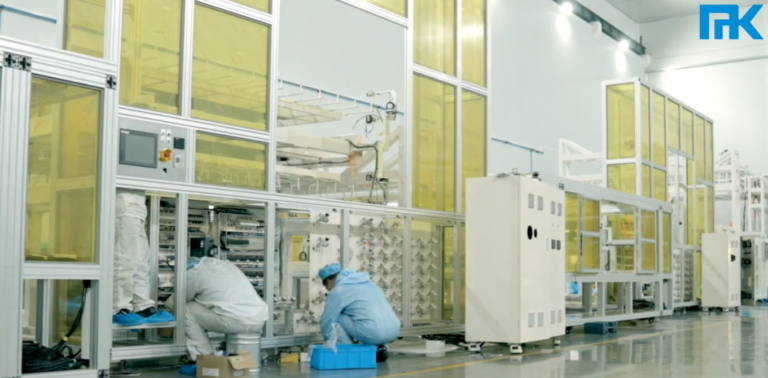
A reliable quality-control program should cover the entire production process. Incoming aluminium profiles and components should be checked against purchasing specifications. Cutting and machining should be controlled for dimensional accuracy. Assembly should verify frame alignment, corner joints, hardware and gaskets. Glazing should be checked for correct positioning and protection. Final inspection should compare the finished products with approved drawings and order quantities.
Buyers can request photographs, inspection reports or sample inspection procedures depending on order size. For large projects, third-party inspection may also be considered. The purpose is not simply to find defects at the end but to establish a repeatable process that prevents defects from occurring.
Packaging and International Transportation
International aluminium window sourcing introduces transportation risks that domestic buyers may not face. Windows can experience vibration, impact, pressure and repeated handling during inland transportation, port operations and container movement. Glass adds additional sensitivity. Therefore, packaging should be considered part of product quality.
Buyers should ask the aluminium window company how finished units are separated, whether corners are protected, how glass is supported and how packages are secured inside the container. The supplier should understand the difference between packaging for short-distance delivery and packaging for international export. Clear product labels can also help warehouse teams identify different window sizes and locations during installation.
Lead Time and Project Scheduling
Buyers frequently make the mistake of using one number as the “lead time.” In reality, a customized aluminium window project can contain several stages: quotation, technical review, shop drawings, drawing approval, material preparation, sample production, sample approval, mass production, inspection, packing and shipping. Each stage should be considered when planning the project.
If the project has a fixed construction schedule, the buyer should communicate the required delivery date at the beginning of the purchasing process. The supplier can then identify whether the schedule is realistic. For repeat projects, standardized product codes and approved specifications can shorten the engineering stage.
MOQ and Purchasing Strategy
Minimum order quantities vary by manufacturer and product configuration. A factory may accept small quantities for standard colours but require larger quantities for customized colours, special profiles or new tooling. Buyers should ask about MOQ before spending significant time on a quotation.
For distributors, a balanced purchasing strategy can combine popular standard products with customized project products. For developers and contractors, the focus should be on project quantity and delivery sequence. A supplier that can divide production into controlled batches may be more useful than a supplier that only offers one large shipment.
How Procurement Teams Should Request a Quotation
The quality of the RFQ strongly influences the quality of the supplier quotation. An RFQ should contain architectural drawings, a window schedule, dimensions, quantities, opening types, profile requirements, glass specification, hardware requirements, colour and finish, accessories, packaging requirements and destination information. If the buyer has performance requirements, these should be included as well.
Asking several suppliers to quote exactly the same information makes the comparison more meaningful. The buyer can then compare material specifications, production assumptions, lead times and commercial terms. If a supplier cannot meet a requirement, the supplier should state the deviation clearly rather than silently substituting a different product.
Factory Direct Versus Trading Company
Factory-direct sourcing can be particularly attractive for project buyers because communication can be closer to production. However, the buyer should verify the factory's actual role. Some companies operate as exporters while subcontracting part of their production. This is not automatically negative, but it should be understood because subcontracting can affect lead time, quality control and customization.
Trading companies can also provide value when they consolidate products from multiple factories or understand local market requirements. The right choice depends on the buyer's needs. For highly customized projects, direct technical communication with the actual manufacturer is often especially valuable.
International Market Considerations
Aluminium window requirements differ between countries because of climate, building practices, energy codes, security expectations and installation methods. A window suitable for one market may not automatically satisfy another market's requirements. Buyers should therefore identify the destination-market requirements before finalizing the product specification.
Climate is also important. Hot climates can create different thermal and solar-control requirements from cold climates. Coastal environments may require additional consideration of corrosion exposure. Urban buildings may place greater emphasis on acoustic performance. The aluminium window company should understand the project's conditions before recommending the final system.
What Makes a Long-Term Aluminium Window Supplier
Long-term supplier relationships are built on repeatability. A supplier may deliver an excellent first order but still be unsuitable if the second order changes in dimensions, colour, hardware or quality. Buyers should therefore assess whether the company maintains product records and can reproduce approved specifications.
Good communication is equally important. When a project changes, the supplier should identify the impact on drawings, production and delivery. When a defect occurs, the supplier should have a clear replacement process. When the buyer needs a repeat order months later, the supplier should be able to identify the previous configuration.
Final Purchasing Recommendation
Selecting an aluminium window company should be treated as a structured procurement project. Start with the building requirements, create a detailed specification, shortlist capable manufacturers, request comparable quotations, review samples and technical documentation, approve shop drawings and establish quality-control and delivery procedures. Do not allow price to become the only selection criterion.
The strongest supplier is the one that can combine material consistency, manufacturing accuracy, engineering support, customization, quality control, packaging, delivery reliability and responsive communication. When these elements work together, aluminium windows become more than a purchased building component: they become a controlled part of the project's performance, appearance and long-term value.
Why Buyers Should Evaluate the Complete Window, Not Just the Aluminium Profile
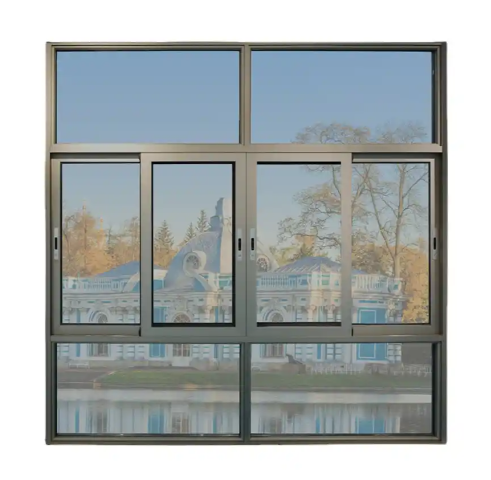
One of the most important lessons for procurement teams is that the profile alone does not define the finished window. A window is a system. Its performance depends on the interaction between aluminium profiles, thermal breaks, glass, gaskets, hardware, drainage, seals, fabrication and installation. A manufacturer that can control these components as an integrated system can often provide a more predictable purchasing experience.
This is especially important for large projects where a small dimensional error can be repeated across hundreds of units. The earlier the error is identified, the lower the cost of correction. Technical review and sample approval are therefore not delays; they are risk-control mechanisms.
Building a Better International Sourcing Process
An effective sourcing process should move from broad research to technical verification and then to commercial negotiation. First identify several aluminium window companies with relevant capabilities. Next compare product categories, manufacturing capacity and project experience. Then request technical documentation and quotations using the same requirements. Shortlist suppliers based on technical fit before negotiating price.
After selecting a supplier, establish one approved document set containing the purchase order, drawings, window schedule, specifications and packaging requirements. This document set should become the reference for production and inspection. Such a structured process reduces misunderstandings and creates a professional basis for repeat purchasing.