Specialized in the production and supply of a full range of aluminum profiles and metal fabrication

aluminum double hung windows

Global Aluminium Window Sourcing Guide
Aluminium Window Company: Manufacturer, Supplier & Sourcing Guide
Choosing the right aluminium window company is a strategic purchasing decision for contractors, distributors, developers, architects, builders and importers. This guide explains how to evaluate aluminium window manufacturers, compare specifications, understand materials and production processes, select suppliers, control purchasing risk and build a reliable international supply chain.
Get a quote
Custom
Made-to-order aluminium window systems
B2B
Designed for project and wholesale buyers
Global
Suitable for international sourcing
Technical
Specification-led purchasing decisions
How to Choose the Right Aluminium Window Company
A professional aluminium window company should be evaluated from several purchasing perspectives rather than price alone. Use the following six-tab framework to compare manufacturing capability, product engineering, quality control, customization, export support and commercial value.
What Makes an Aluminium Window Company Reliable?
When procurement teams search for an aluminium window company, the first question should not simply be “What is the price?” The more important question is whether the manufacturer can consistently transform architectural requirements into finished windows that meet dimensional, functional, aesthetic and delivery expectations. A reliable manufacturer normally has clearly defined engineering procedures, production capacity, quality checkpoints, experienced technical staff and a documented process from drawing approval to packing. Buyers should examine factory capability, machining equipment, assembly lines, testing procedures, project references and after-sales communication before making a long-term supplier decision.
A capable aluminium window manufacturer should also understand the difference between a standard catalogue product and a project-specific system. Commercial buildings, villas, apartments, hotels and renovation projects often require different opening configurations, glazing specifications, thermal performance, hardware, finishes and installation details. The supplier should therefore be able to review drawings, identify potential conflicts and recommend a practical configuration instead of merely accepting dimensions and issuing a quotation.
1. Manufacturing Capacity
Look for dedicated extrusion, cutting, CNC machining, assembly, glazing and inspection capabilities. Capacity should be evaluated against your monthly project volume rather than advertised factory size alone.
2. Engineering Team
A strong engineering team can convert architectural drawings into production drawings, optimize profiles, identify installation issues and coordinate hardware and glazing requirements.
3. Quality System
Quality should be controlled throughout extrusion, surface treatment, cutting, machining, assembly, glazing and final inspection instead of relying only on end-of-line inspection.
4. Project Experience
Ask for relevant references. A supplier experienced in residential windows may not automatically be suitable for large commercial façades or complex hospitality projects.
Understanding Aluminium Window Systems
The term aluminium window company covers many different business models. Some companies manufacture aluminium profiles, some develop complete window systems, some fabricate finished windows, and some act primarily as distributors. Buyers should identify exactly which part of the value chain a supplier controls. For a project requiring consistent dimensions, customized colours, specialized glazing and coordinated hardware, a finished-window manufacturer with engineering and fabrication capability may offer a more integrated purchasing experience.
Aluminium window systems can include casement windows, sliding windows, awning windows, tilt-and-turn windows, fixed windows, louvre windows, folding systems and large-format architectural windows. The correct system depends on ventilation, daylight, weather exposure, acoustic requirements, thermal performance, security and architectural style. A professional supplier should explain these differences in practical terms and help buyers choose a specification appropriate for the building rather than pushing the most expensive configuration.
Casement Windows
Suitable where controlled ventilation, sealing performance and a broad range of opening sizes are required.
Sliding Windows
Useful where space around the opening is limited and horizontal operation is preferred.
Thermal Break Windows
Designed to reduce conductive heat transfer through the frame and support higher thermal-performance targets.
Large-Format Windows
Used in modern architecture where narrow sightlines, larger glass areas and stronger structural design are important.
Quality Control for Aluminium Windows
Quality control is one of the strongest indicators of whether an aluminium window company can become a dependable long-term supplier. Aluminium windows combine profiles, glass, gaskets, hardware, sealants, fasteners and finishing processes. A defect in one component can affect the entire assembly. Procurement teams should therefore request a clear quality-control workflow rather than relying on general statements such as “high quality” or “factory inspection.”
Important checkpoints include profile dimensional accuracy, surface finish consistency, cutting accuracy, corner connection quality, drainage design, hardware installation, gasket fit, glazing installation, frame squareness and final appearance. For export projects, packaging should also be reviewed because windows can leave the factory in perfect condition and still be damaged during inland transportation, container loading or overseas delivery. A mature manufacturer should use protective films, corner protection, suitable separators and secure packaging appropriate to the shipping method.
Profile Inspection
Confirm profile dimensions, wall thickness, alloy specification and straightness according to the approved technical documentation.
Surface Inspection
Check colour consistency, coating quality, visible scratches, surface defects and protection during handling.
Assembly Inspection
Inspect corner joints, hardware, gaskets, glass positioning, drainage and frame alignment.
Final Inspection
Compare finished products against approved drawings, quantities, labels, packaging requirements and shipment documents.
Custom Aluminium Windows for Project Buyers
Customization is one of the main reasons commercial buyers work directly with an aluminium window company instead of purchasing generic retail products. A project may require non-standard dimensions, specific profile depths, particular glazing combinations, special colours, concealed hardware, different opening directions, integrated blinds, acoustic performance or region-specific installation details. A capable manufacturer should be able to manage these requirements systematically through technical drawings and approval samples.
Buyers should establish a written specification before production begins. The specification should identify frame dimensions, profile series, glazing thickness, glass type, colour, hardware, seals, accessories, opening direction, drainage configuration, packaging and labelling. It is also advisable to approve a representative sample for large orders. Sample approval creates a common reference point for both buyer and supplier and reduces misunderstandings when production involves hundreds of different window sizes.
Colour Matching
Confirm the exact coating system, colour reference and acceptable visual tolerance before mass production.
Glass Configuration
Define glass thickness, pane arrangement, spacer, coating, safety requirements and performance targets.
Hardware Selection
Hardware affects operation, durability, security and maintenance. It should be specified as part of the complete window system.
Shop Drawings
Approved shop drawings provide a production reference for dimensions, profiles, glass, hardware and installation interfaces.
International Export Support from an Aluminium Window Company
International purchasing involves much more than manufacturing. An aluminium window company serving overseas buyers should understand export packaging, container loading, commercial documentation, product labelling, delivery schedules and communication across time zones. For project orders, the supplier should also be able to manage revisions because construction projects frequently change after the initial quotation.
Buyers should ask how the company handles drawing approval, production scheduling, inspection requests, packing lists, container plans and replacement components. If the supplier can provide clear documentation and communicate technical changes quickly, the risk of costly delays is reduced. For distributors, another important consideration is whether the manufacturer can maintain consistent product specifications across repeat orders. A successful first shipment is useful, but repeatability is what creates a sustainable international supply relationship.
Export Packaging
Confirm protective film, cartons, pallets, separators, corner protection and container-loading procedures.
Documentation
Clarify commercial invoices, packing lists, shipping marks, product documents and other destination-market requirements.
Lead-Time Management
Separate engineering time, sample approval, production time, inspection and shipping time when planning projects.
After-Sales Support
Ask how damaged components, replacement hardware and technical questions are handled after delivery.
How to Compare Aluminium Window Company Pricing
The lowest quotation is not necessarily the lowest total cost. Aluminium window pricing can change according to profile alloy, profile weight, thermal-break configuration, glass specification, hardware brand, coating, machining complexity, order quantity, packaging and shipping requirements. Procurement teams should therefore compare quotations using an identical technical specification. Otherwise, a cheaper quote may simply contain thinner profiles, different glass, lower-cost hardware or fewer accessories.
A useful comparison should calculate the total delivered cost rather than only the factory unit price. Buyers should include tooling, samples, packaging, inland freight, international freight, insurance where applicable, duties, installation accessories and potential replacement costs. The best aluminium window company is often the supplier that provides the best balance of product performance, quality consistency, communication, delivery reliability and total project cost.
Compare Like-for-Like
Use one technical specification when requesting quotations from multiple suppliers.
Evaluate Total Cost
Consider logistics, packaging, accessories, inspection and potential replacement costs.
Review MOQ
Ask whether minimum order quantities apply to colours, profile series, sizes or complete projects.
Measure Supplier Risk
Price should be considered alongside quality stability, engineering support, lead time and communication.
Aluminium Window Company Comparison Checklist
Use this purchasing table when comparing manufacturers and suppliers for residential, commercial and architectural aluminium window projects.
| Purchasing Factor | What to Check | Why It Matters | Buyer Questions |
|---|---|---|---|
| Manufacturer Type | Factory, system company, fabricator or trading company | Determines technical control and communication efficiency | Who actually manufactures the finished window? |
| Aluminium Profiles | Alloy, profile series, wall thickness and thermal-break structure | Affects strength, thermal performance and durability | Can the profile specification be documented? |
| Glass | Single, double or triple glazing, safety glass and coatings | Influences energy, acoustic and safety performance | What glass configuration is included in the quotation? |
| Hardware | Brand, locking points, handles, hinges and rollers | Affects operation, security and service life | Which hardware is standard and which is optional? |
| Finishing | Powder coating, anodizing or other approved finish | Important for appearance and environmental durability | What finish specification and colour reference are used? |
| Engineering | Shop drawings, calculations and technical support | Reduces installation and specification errors | Can the supplier prepare project-specific drawings? |
| Quality Control | Incoming, process and final inspection | Improves consistency across large orders | What inspection records are available? |
| Packaging | Corner protection, separators, cartons, pallets and loading | Reduces transport damage | How are windows protected for international shipping? |
| MOQ | Minimum quantity by model, colour or order | Affects inventory and purchasing flexibility | What is the MOQ for custom production? |
| Lead Time | Engineering, sample, production and delivery schedules | Critical for construction project planning | What is the realistic production lead time? |
Aluminium Window Company FAQ for Buyers
These questions address common information, commercial research and transaction-stage concerns when selecting an aluminium window manufacturer.
What should I look for in a reliable aluminium window company?
A reliable aluminium window company should demonstrate more than attractive product photographs and competitive pricing. Buyers should evaluate manufacturing capability, engineering support, material specifications, quality-control procedures, customization capacity, export experience, packaging and after-sales service. The first step is to determine whether the company is a true manufacturer, a window fabricator, an aluminium profile producer or a trading company. Each business model can be useful, but the level of technical control may be different. For project purchasing, ask the supplier to provide product drawings, profile specifications, glass configurations, hardware information and finish details. You should also ask how the company controls dimensions, corner joints, glazing, hardware installation and final appearance. Factory capacity matters as well, but advertised production area alone does not prove reliability. Ask about actual production lines, quality checkpoints and experience with projects similar to yours. It is also important to evaluate communication. A supplier that responds quickly and accurately to technical questions is usually easier to manage during drawing approval and production. Finally, compare suppliers using the same specification. A quotation is only meaningful when profiles, glass, hardware, coating, accessories, packaging and delivery assumptions are comparable. The best supplier is therefore the one that offers a balanced combination of engineering competence, quality consistency, transparent pricing, dependable delivery and long-term support.
How do I compare aluminium window manufacturers and suppliers?
The most effective way to compare aluminium window manufacturers is to create a standardized supplier evaluation sheet. Start with company information, factory location, years of operation, primary markets and manufacturing role. Then compare the actual product specification, including aluminium alloy, profile dimensions, thermal-break construction, glass, hardware, surface finish and accessories. The quotation should be reviewed line by line rather than comparing only the final price. Ask whether tooling, packaging, samples, spare parts and export preparation are included. For larger projects, request shop drawings and confirm whether the supplier can make project-specific adjustments. Quality control should be another major category. Ask how incoming materials are checked, how profile cutting and machining are controlled, how finished frames are inspected and how non-conforming products are handled. International buyers should also examine packaging and container loading because window products can be damaged during transportation. Lead time should be separated into engineering, sample approval, manufacturing, inspection and shipping stages. A supplier comparison should also include communication speed, technical support and after-sales response. If possible, request a sample or visit the factory before a large purchase. Trade-data directories can help identify active exporters, but shipment activity should not automatically be interpreted as product quality. The strongest sourcing decision comes from combining documentary evidence, technical evaluation, sample inspection, commercial comparison and supplier communication.
Are aluminium windows suitable for residential and commercial projects?
Aluminium windows can be used across a broad range of residential and commercial applications, but the appropriate system depends on the project's performance requirements. Residential projects may prioritize appearance, thermal insulation, ventilation, sound reduction, security and ease of operation. Commercial projects can require higher levels of durability, larger dimensions, heavier glazing, more intensive use and integration with architectural façade systems. Aluminium is attractive for many applications because it combines structural strength with relatively slim visual profiles and a wide range of finishing options. However, buyers should not assume that every aluminium window system provides the same performance. Profile depth, thermal-break design, glass specification, seals, hardware and installation details all influence final performance. Large-format windows require particular attention to structural design and glass weight. Buildings in coastal or aggressive environments may also require appropriate finishing and corrosion considerations. For energy-efficient buildings, the complete window assembly should be evaluated rather than looking only at the aluminium profile. The glass, spacer, frame, seals and installation interface all contribute to the final result. A professional aluminium window company should therefore ask about climate, building type, opening size, glass specification, wind exposure, acoustic requirements, security and energy targets before recommending a system. For international procurement, the buyer should also confirm the testing and certification requirements applicable to the destination market.
What affects the price of aluminium windows?
Aluminium window prices are influenced by many variables, which is why two quotations with the same overall window dimensions can have very different prices. The aluminium profile is one of the main factors. Profile weight, alloy, wall thickness, system depth and thermal-break configuration can change material usage and manufacturing cost. Glass is another major component. Double glazing, triple glazing, laminated glass, tempered glass, low-emissivity coatings and different spacer configurations all have different costs. Hardware also has a significant effect, especially for high-cycle commercial applications or systems with specialized locking and operating mechanisms. Surface finishing can include powder coating, anodizing and other treatments, with colour, finish class and quantity influencing cost. Custom shapes, CNC machining, unusual opening configurations and special installation accessories can increase manufacturing time. Order quantity also matters because larger production runs can spread setup and tooling costs. Packaging and logistics should be considered separately when comparing international suppliers. A low factory price may not represent a low delivered cost if packaging is weak or shipping preparation is inadequate. Buyers should therefore ask for a detailed quotation showing the technical specification and commercial assumptions. The safest approach is to request quotations from several aluminium window companies using the same drawings and specification. This creates a true like-for-like comparison and helps identify whether price differences come from genuine manufacturing efficiency or simply from different product configurations.
Can an aluminium window company provide customized windows?
Many aluminium window manufacturers can provide customized products, but the actual level of customization varies considerably. Buyers should distinguish between selecting options from an existing system and developing a genuinely project-specific solution. Standard customization may include dimensions, colour, opening direction, glass type, hardware, handle style and accessories. More advanced projects can require special shapes, oversized windows, narrow sightlines, unusual glazing combinations, integrated systems or customized installation details. Before placing an order, provide accurate architectural drawings and a written specification. The supplier should review the information and return shop drawings for approval. This process is especially important when the order contains many different window sizes. A good manufacturer should identify conflicts between frame dimensions, glass weight, hardware limitations and installation conditions before production. Colour approval is also recommended because screen images cannot reliably represent every physical finish. For large orders, a physical sample can establish the expected appearance and assembly quality. Buyers should also clarify which components are standardized and which are custom-made. If tooling or special dies are required, the ownership and cost should be agreed in writing. Customized production can deliver a better fit for the project, but it also requires stronger engineering communication. The ideal aluminium window company should combine manufacturing flexibility with disciplined drawing approval, quality control and documentation rather than treating customization as an informal production request.
How can I reduce the risk when importing aluminium windows?
Importing aluminium windows becomes much safer when procurement is divided into clear technical, commercial and logistics stages. Begin by verifying the supplier and defining exactly what is being purchased. Request company information, product drawings, specifications, sample photos and relevant project references. Next, issue a complete purchase specification covering profiles, dimensions, glass, hardware, colours, accessories, packaging and labelling. Approve drawings before production begins. For larger orders, consider a pre-production sample and a final inspection before shipment. Packaging should be reviewed carefully because finished windows contain glass and assembled frames that can be vulnerable to impact and movement during transportation. Ask for the loading plan and confirm how each unit will be separated and protected. Buyers should also establish a clear process for handling shortages, damage or incorrect products. Commercial terms should define responsibilities for production, inspection, shipping and delivery. Destination-market requirements should be reviewed before production rather than after the goods arrive. It is also wise to keep a complete record of approved drawings, colour samples, purchase orders, inspection reports and packing lists. When the supplier and buyer share the same documentation, disputes become easier to resolve. For repeat purchasing, performance should be reviewed after every shipment. Track defect rates, delivery accuracy, communication quality and replacement response. A supplier that performs consistently across multiple orders is generally more valuable than one that offers an unusually low price on a single shipment.
What aluminium window specifications should a buyer request?
A professional buyer should request a complete technical specification rather than a simple product name such as “aluminium window.” At minimum, the specification should identify the aluminium alloy or applicable profile specification, profile series or system, frame and sash dimensions, thermal-break construction where applicable, glass configuration, glazing method, seals, hardware, surface finish, colour reference and accessories. For project applications, the specification should also address opening type, maximum recommended dimensions, installation interface and drainage. Performance requirements should be defined according to the project's location and applicable standards. Depending on the market, these may include thermal, acoustic, air, water, wind, security or other project-specific performance requirements. Buyers should request technical data and test documentation where relevant rather than relying on general marketing claims. Glass deserves special attention because it can represent a substantial portion of total window cost and strongly affects performance. Hardware should be specified by function and, where necessary, by manufacturer or model. The finishing system should be documented with the agreed colour and surface treatment. Packaging requirements should also be included in the purchase specification for international shipments. If the project uses many different window types, a window schedule should be created so every opening has a unique reference. This helps the factory produce and label the correct unit. A complete specification reduces quotation ambiguity, improves supplier comparison and gives the manufacturer a reliable production reference.
Should I buy aluminium windows directly from a factory?
Direct factory purchasing can provide advantages when the buyer has sufficient project volume, technical requirements and internal procurement capability. Working directly with a manufacturer can shorten the communication chain, provide better access to engineering support and allow more flexibility for customization. It can also make it easier to discuss packaging, production schedules and quality-control procedures. However, direct purchasing is not automatically better in every situation. Some buyers may benefit from an experienced local distributor or specialized importer that already understands local building requirements, installation practices and after-sales service. The right model depends on order volume, project complexity, destination market and the buyer's technical resources. If purchasing directly, buyers should verify that the factory actually controls the production of the products being quoted. They should also establish a clear drawing-approval process and agree on quality standards before production. For first orders, a sample and inspection can be especially useful. Direct factory purchasing works best when the buyer and supplier communicate through detailed documentation rather than informal messages. The buyer should maintain a product schedule, approved drawings, commercial terms and inspection requirements. The factory should then use those documents as the production reference. Over time, repeat orders can become much more efficient if the supplier maintains stable product configurations and records previous specifications. Ultimately, the best procurement route is the one that delivers consistent quality, predictable lead times, transparent costs and reliable technical support for the buyer's specific market.
Aluminium Window Materials & Manufacturing Process
Hover over each card to explore the key material or production stage. The 3D interaction is designed to make technical information easier for procurement teams to scan.
01
Aluminium Alloy
Structural foundation of the window system
Profile Material
Profile alloy, wall thickness, geometry and extrusion accuracy influence structural performance, machining and final product consistency. Buyers should approve the profile specification before mass production.
02
Extrusion
Creates the required profile geometry
Precision Extrusion
Aluminium profiles are formed through extrusion and then processed according to the required system design. Dimensional consistency is essential for accurate cutting and assembly.
03
Surface Finish
Protects and defines the visible surface
Finishing Technology
Powder coating and anodizing can provide different visual and functional characteristics. The agreed colour, finish and quality requirements should be documented before production.
04
Thermal Break
Supports improved frame insulation
Thermal Performance
Thermal-break systems separate interior and exterior aluminium sections with an insulating component. The complete frame and glazing assembly should be considered when evaluating energy performance.
05
Glass & Gaskets
Important to energy, acoustic and weather performance
Glazing Assembly
Glass type, thickness, spacer, seals and installation quality all influence the performance of the finished window. The glazing specification should be clearly defined in the purchase order.
06
Machining & Assembly
Transforms profiles into finished windows
Final Fabrication
Cutting, CNC machining, corner joining, hardware installation, glazing and final inspection determine the consistency of the finished product. Process control is critical for large orders.
Aluminium Window Solutions for Different Projects
Swipe horizontally to explore application-specific solutions for purchasing teams, architects, developers and contractors.
Residential Housing
For villas, apartments and private homes, buyers commonly balance thermal performance, aesthetics, ventilation, security and maintenance. Casement, sliding, fixed and large-format aluminium windows can be configured according to the architecture.
Commercial Buildings
Commercial projects require attention to durability, repetitive dimensions, installation efficiency, glazing weight and long-term operation. A coordinated system can simplify procurement across large quantities of openings.
Hotels & Hospitality
Hospitality projects often require premium appearance, acoustic comfort, reliable operation and consistent finishes. The supplier should be able to manage detailed room schedules and multiple window configurations.
Renovation Projects
Renovation projects can involve irregular openings and difficult installation conditions. Accurate site measurements and customized frames are especially important when replacing existing windows.
Coastal Applications
Projects exposed to marine or aggressive environments should consider appropriate material selection, surface treatment, hardware and maintenance requirements before production.
Wholesale Distribution
Distributors need stable specifications, repeatable production, packaging efficiency, clear product codes and dependable lead times. Consistency across repeat orders is more important than a one-time low quotation.
Complete Guide to Choosing an Aluminium Window Company
A detailed procurement guide for buyers conducting supplier research, product comparison and international purchasing.
Understanding the Role of an Aluminium Window Company
An aluminium window company can play several roles in the construction supply chain. It may manufacture aluminium profiles, develop window systems, fabricate complete windows, supply hardware and glass, or combine several of these capabilities. For procurement teams, identifying the supplier's exact role is essential because the degree of technical control can influence product customization, quality consistency and communication. A company that only distributes standard windows may be suitable for simple replacement orders, while a project requiring hundreds of customized windows may benefit from a manufacturer with engineering, fabrication and quality-control capabilities.
Modern aluminium windows are engineered products rather than simple frames. The finished assembly combines profiles, glass, seals, hardware, drainage paths, surface treatments and installation interfaces. Each component affects the final performance. This means that the purchasing process should begin with a technical requirement instead of a generic product name. Terms such as “aluminium window,” “thermal break window” or “sliding window” describe a product category, but they do not define the complete specification.
Why Aluminium Is Widely Used in Modern Windows
Aluminium is valued in architectural windows because it can combine structural capability with a wide range of design possibilities. The material can be extruded into complex profiles, allowing manufacturers to develop different frame geometries and system configurations. It is also compatible with many surface finishes and can support slim visual sightlines when the system is appropriately engineered. For architects and developers, this creates opportunities for large glazed areas and contemporary façades.
Aluminium window performance depends on the complete system. A strong frame does not automatically create an energy-efficient window, and an advanced profile does not compensate for poor glazing or installation. Buyers should therefore evaluate the relationship between frame, glass, seals, hardware and installation. This whole-system approach is particularly important when projects have demanding thermal, acoustic, weather or security objectives.
Thermal Performance and Energy Efficiency
Thermal performance is one of the most frequently discussed subjects when buyers compare aluminium window manufacturers. Aluminium itself conducts heat efficiently, so modern thermally improved systems can use thermal-break construction to reduce the direct conductive path between exterior and interior sections. The final performance still depends on frame geometry, thermal-break design, glazing, spacers, seals and installation.
Buyers should avoid comparing suppliers using vague claims such as “energy-saving aluminium windows.” Instead, request technical data for the specific window configuration. A complete performance value should correspond to the actual frame and glazing combination being purchased. This distinction is important because the same profile system can perform differently depending on glass size, glass type and configuration.
Glass Selection for Aluminium Windows
Glass can represent a significant part of the cost and performance of an aluminium window. Buyers may select different combinations of clear glass, tempered glass, laminated glass, insulated glass units and coated glass depending on the project. Double and triple glazing can support different thermal and acoustic objectives, while laminated and tempered configurations may be required for specific safety applications.
When requesting quotations, specify glass thickness, pane arrangement, coating requirements, spacer, gas fill where applicable, safety treatment and visual expectations. Do not assume that “double glazing” describes the complete product. Two suppliers can quote double glazing while using different glass thicknesses, coatings or spacer systems. A professional aluminium window company should be able to document the glazing configuration clearly.
Hardware and Operating Performance
Hardware is often overlooked during early purchasing discussions because it represents a relatively small part of the visible window. However, handles, hinges, locks, rollers and other operating components directly influence the user experience. A heavy window with large glass panels can place significant demands on hinges or rollers. High-cycle commercial applications may require hardware selected for frequent operation.
Buyers should request hardware specifications and understand which components are included in the base quotation. If a particular hardware brand or model is required, it should be written into the purchase specification. If the supplier proposes an alternative, the replacement should be approved before production. This prevents situations where a technically different component is supplied without the buyer realizing the change.
Surface Finishing and Appearance
Surface finishing affects both the appearance and long-term suitability of aluminium windows. Powder coating and anodizing are common finishing approaches, while specific projects may have additional requirements. The buyer should confirm the finish type, colour reference, gloss level where relevant and any destination-market requirements. For large projects, approving a physical sample is often more reliable than approving only a digital image.
Colour consistency is particularly important when multiple production batches are involved. Buyers should establish whether the order will be produced as one batch or several batches and whether the supplier has a process for maintaining colour consistency. Packaging should also protect finished profiles and frames from scratches during transportation and installation.
Engineering and Shop Drawings
Engineering support can be one of the biggest differences between a basic supplier and a professional aluminium window manufacturer. A project may contain hundreds of window openings, each with different dimensions and configurations. Shop drawings convert architectural intent into a production reference. They can show frame dimensions, opening direction, glass arrangement, mullions, transoms, hardware and other relevant details.
Buyers should not treat drawing approval as an administrative formality. It is a critical quality-control stage. Measurements should be checked, unusual configurations identified and installation interfaces reviewed before the factory begins mass production. A strong supplier should communicate potential problems rather than simply manufacturing exactly what was written in an unclear instruction.
Factory Quality Control
A reliable quality-control program should cover the entire production process. Incoming aluminium profiles and components should be checked against purchasing specifications. Cutting and machining should be controlled for dimensional accuracy. Assembly should verify frame alignment, corner joints, hardware and gaskets. Glazing should be checked for correct positioning and protection. Final inspection should compare the finished products with approved drawings and order quantities.
Buyers can request photographs, inspection reports or sample inspection procedures depending on order size. For large projects, third-party inspection may also be considered. The purpose is not simply to find defects at the end but to establish a repeatable process that prevents defects from occurring.
Packaging and International Transportation
International aluminium window sourcing introduces transportation risks that domestic buyers may not face. Windows can experience vibration, impact, pressure and repeated handling during inland transportation, port operations and container movement. Glass adds additional sensitivity. Therefore, packaging should be considered part of product quality.
Buyers should ask the aluminium window company how finished units are separated, whether corners are protected, how glass is supported and how packages are secured inside the container. The supplier should understand the difference between packaging for short-distance delivery and packaging for international export. Clear product labels can also help warehouse teams identify different window sizes and locations during installation.
Lead Time and Project Scheduling
Buyers frequently make the mistake of using one number as the “lead time.” In reality, a customized aluminium window project can contain several stages: quotation, technical review, shop drawings, drawing approval, material preparation, sample production, sample approval, mass production, inspection, packing and shipping. Each stage should be considered when planning the project.
If the project has a fixed construction schedule, the buyer should communicate the required delivery date at the beginning of the purchasing process. The supplier can then identify whether the schedule is realistic. For repeat projects, standardized product codes and approved specifications can shorten the engineering stage.
MOQ and Purchasing Strategy
Minimum order quantities vary by manufacturer and product configuration. A factory may accept small quantities for standard colours but require larger quantities for customized colours, special profiles or new tooling. Buyers should ask about MOQ before spending significant time on a quotation.
For distributors, a balanced purchasing strategy can combine popular standard products with customized project products. For developers and contractors, the focus should be on project quantity and delivery sequence. A supplier that can divide production into controlled batches may be more useful than a supplier that only offers one large shipment.
How Procurement Teams Should Request a Quotation
The quality of the RFQ strongly influences the quality of the supplier quotation. An RFQ should contain architectural drawings, a window schedule, dimensions, quantities, opening types, profile requirements, glass specification, hardware requirements, colour and finish, accessories, packaging requirements and destination information. If the buyer has performance requirements, these should be included as well.
Asking several suppliers to quote exactly the same information makes the comparison more meaningful. The buyer can then compare material specifications, production assumptions, lead times and commercial terms. If a supplier cannot meet a requirement, the supplier should state the deviation clearly rather than silently substituting a different product.
Factory Direct Versus Trading Company
Factory-direct sourcing can be particularly attractive for project buyers because communication can be closer to production. However, the buyer should verify the factory's actual role. Some companies operate as exporters while subcontracting part of their production. This is not automatically negative, but it should be understood because subcontracting can affect lead time, quality control and customization.
Trading companies can also provide value when they consolidate products from multiple factories or understand local market requirements. The right choice depends on the buyer's needs. For highly customized projects, direct technical communication with the actual manufacturer is often especially valuable.
International Market Considerations
Aluminium window requirements differ between countries because of climate, building practices, energy codes, security expectations and installation methods. A window suitable for one market may not automatically satisfy another market's requirements. Buyers should therefore identify the destination-market requirements before finalizing the product specification.
Climate is also important. Hot climates can create different thermal and solar-control requirements from cold climates. Coastal environments may require additional consideration of corrosion exposure. Urban buildings may place greater emphasis on acoustic performance. The aluminium window company should understand the project's conditions before recommending the final system.
What Makes a Long-Term Aluminium Window Supplier
Long-term supplier relationships are built on repeatability. A supplier may deliver an excellent first order but still be unsuitable if the second order changes in dimensions, colour, hardware or quality. Buyers should therefore assess whether the company maintains product records and can reproduce approved specifications.
Good communication is equally important. When a project changes, the supplier should identify the impact on drawings, production and delivery. When a defect occurs, the supplier should have a clear replacement process. When the buyer needs a repeat order months later, the supplier should be able to identify the previous configuration.
Final Purchasing Recommendation
Selecting an aluminium window company should be treated as a structured procurement project. Start with the building requirements, create a detailed specification, shortlist capable manufacturers, request comparable quotations, review samples and technical documentation, approve shop drawings and establish quality-control and delivery procedures. Do not allow price to become the only selection criterion.
The strongest supplier is the one that can combine material consistency, manufacturing accuracy, engineering support, customization, quality control, packaging, delivery reliability and responsive communication. When these elements work together, aluminium windows become more than a purchased building component: they become a controlled part of the project's performance, appearance and long-term value.
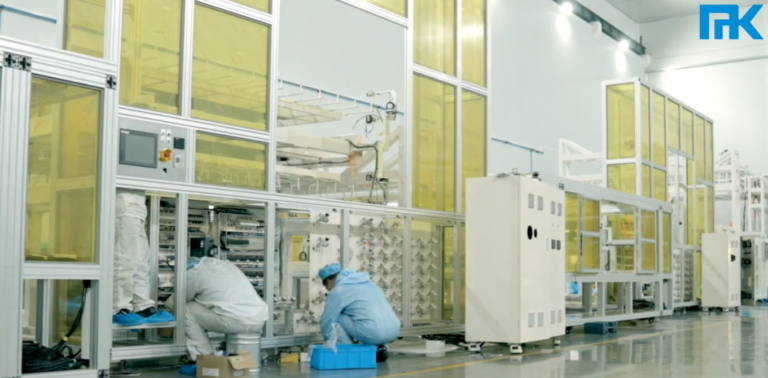
Why Buyers Should Evaluate the Complete Window, Not Just the Aluminium Profile
One of the most important lessons for procurement teams is that the profile alone does not define the finished window. A window is a system. Its performance depends on the interaction between aluminium profiles, thermal breaks, glass, gaskets, hardware, drainage, seals, fabrication and installation. A manufacturer that can control these components as an integrated system can often provide a more predictable purchasing experience.
This is especially important for large projects where a small dimensional error can be repeated across hundreds of units. The earlier the error is identified, the lower the cost of correction. Technical review and sample approval are therefore not delays; they are risk-control mechanisms.
Building a Better International Sourcing Process
An effective sourcing process should move from broad research to technical verification and then to commercial negotiation. First identify several aluminium window companies with relevant capabilities. Next compare product categories, manufacturing capacity and project experience. Then request technical documentation and quotations using the same requirements. Shortlist suppliers based on technical fit before negotiating price.
After selecting a supplier, establish one approved document set containing the purchase order, drawings, window schedule, specifications and packaging requirements. This document set should become the reference for production and inspection. Such a structured process reduces misunderstandings and creates a professional basis for repeat purchasing.
Global Aluminium Window Suppliers and Manufacturers
The following companies are established names in the international aluminium window and building-envelope market. This is a research shortlist rather than a universal quality ranking. Buyers should independently evaluate specifications, market suitability, pricing and project requirements.
01
Schüco
German building-system company with aluminium window systems covering thermal performance, security, design and large-format architectural applications.
Visit official website →02
Reynaers Aluminium
International aluminium systems specialist serving residential, commercial and architectural applications with windows, doors and façade systems.
Visit official website →03
YKK AP
Global architectural products manufacturer offering aluminium windows, doors and building-envelope solutions across multiple markets.
Visit official website →04
TOSTEM
Japanese window and building-products brand with extensive experience in aluminium window and door systems for residential and architectural markets.
Visit official website →05
Aluprof
European aluminium systems manufacturer offering architectural window, door and façade solutions for multiple building applications.
Visit official website →06
AluK
International aluminium building-system brand with window and door solutions used across residential and commercial markets.
Visit official website →07
Cortizo
European aluminium systems manufacturer known for architectural aluminium windows, doors and façade solutions.
Visit official website →08
TECHNAL
International architectural aluminium systems brand supplying windows, doors and façade solutions for design-led projects.
Visit official website →09
Xingfa Aluminium
Major Chinese aluminium manufacturer with architectural and industrial aluminium products and extensive international market activity.
Visit official website →10
Senior Architectural Systems
UK architectural aluminium systems specialist serving windows, doors, curtain walling and façade applications.
Visit official website →Related Aluminium Window Products
Explore related products and window solutions for residential, commercial and architectural applications.


Aluminium Window Purchasing Plan for B2B Buyers
Follow this T-shaped purchasing structure to move from initial requirements to supplier selection, production and delivery.
01. Define Requirements
Prepare project location, window schedule, dimensions, opening types, glass requirements, colour, performance targets and delivery destination.
02. Shortlist Suppliers
Identify aluminium window companies with relevant manufacturing capability, project experience, export support and customization capacity.
03. Request Technical Quotation
Send identical specifications to each supplier so quotations can be compared on a genuine like-for-like basis.
04. Review Drawings
Confirm dimensions, profiles, glazing, hardware, drainage and installation details before approving production.
05. Approve Sample
For suitable project orders, inspect a representative sample and use it as the physical reference for appearance and assembly quality.
06. Production & Inspection
Monitor production according to the approved drawings and conduct final inspection before shipment where appropriate.
07. Packaging & Delivery
Confirm packing, labels, loading plan, commercial documents and shipment schedule before goods leave the factory.
08. Repeat Procurement
Maintain approved specifications and supplier performance records to make future purchasing faster and more consistent.
Latest Aluminium Window Articles
Industry news, product developments, sourcing information and aluminium window market content.
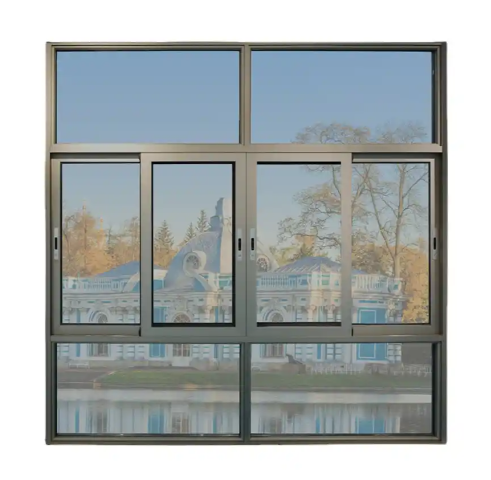
aluminum double hung windows
Aluminium Window Company | Custom Aluminium Windows Manufacturer & Supplier HOME PRODUCTS NEWS ABOUT US…
aluminium window company
Aluminium Window Company | Custom Aluminium Windows Manufacturer & Supplier HOME PRODUCTS NEWS ABOUT US…
aluminum sliding glass doors
HOME PRODUCTS NEWS ABOUT US CONTACT Architectural Door Systems • B2B Sourcing • Global Supply…
Latest Global Aluminium Window Industry News
The following six developments are selected from recent aluminium and window-industry publications. Buyers should open the original source for the full report and verify market-specific implications before making purchasing decisions.
Aluprof UK Celebrates 20 Years of Innovation and Growth
A recent industry report highlighted Aluprof UK's 20-year milestone and continuing presence in the architectural aluminium systems market. The development illustrates the importance of long-term system development and market support in the aluminium building-products sector.
Source: Glass & Glazing Products Magazine →AluK Updates Its BSC94 Sliding Door System
Window industry coverage reported an updated version of AluK's BSC94 inline sliding door, reflecting the continuing development of higher-performance aluminium opening systems and changing regulatory requirements.
Source: Window News →Stevenswood Expands Its Aluminium Product Portfolio
Recent trade coverage reported a significant expansion of Stevenswood's aluminium offering, adding several brands and product categories. For buyers, wider supplier portfolios can simplify sourcing across windows, doors and related architectural products.
Source: Glass News →Australia Discusses Temporary Duties on Chinese Aluminium Windows
Industry reporting in Australia described calls for temporary duties on aluminium windows and doors imported from China while an anti-dumping investigation remains underway. Importers should monitor destination-market trade policy before finalizing sourcing strategies.
Source: AlCircle →Schüco Continues Development of High-Performance Aluminium Window Systems
Schüco's current product information emphasizes large-format design, thermal performance, sound reduction, security, narrow sightlines and sustainability. Such system development reflects the continuing demand for higher-performance architectural windows.
Source: Schüco →Global Aluminium Window Supplier Activity Remains Highly Competitive
Current trade-data reporting shows a large and geographically diverse supplier base for aluminium windows. For procurement teams, this reinforces the value of structured supplier verification, technical comparison and destination-market research.
Source: Volza →Looking for a Reliable Aluminium Window Company?
Compare specifications, customization options, manufacturing capability and purchasing requirements before choosing your supplier. For project enquiries, provide your window schedule, dimensions, quantities and destination market so the right solution can be evaluated.
Get a quote