B2B Aluminum Window Manufacturing & Procurement

Double Hung Aluminum Windows

Custom double hung aluminum windows engineered for residential, commercial, renovation and architectural projects. Specify thermal break profiles, Low-E insulated glass, custom dimensions, finishes and project-ready hardware.

Get a quote
Custom Sizes Thermal Break Options Low-E Glass Project Procurement Bulk Supply Global Export
01 / Product Guide

Double Hung Aluminum Windows: Complete Buyer Guide

A practical product guide covering construction, performance, glazing, customization, applications and procurement considerations for buyers, contractors, architects and project managers.

Double Hung Aluminum Windows: Product Design and Construction

Two Independently Operating Sashes

A double hung aluminum window normally uses two vertically moving sashes. The upper and lower sashes can be operated independently, giving the buyer more control over ventilation than a fixed or single-opening configuration. For procurement teams, this means the window should be evaluated as a complete operating assembly rather than simply as an aluminum frame. The frame, sash, balance mechanism, weather seals, glazing and locking hardware must work together.

Vertical Operation for Space Efficiency

Because the sashes travel vertically inside the window opening, the operating leaves do not require a large interior or exterior swing radius. This can be useful for apartments, urban housing, schools, offices and replacement projects where furniture, walkways or exterior landscaping limit available space.

Aluminum Profiles for Structural Stability

Aluminum provides a strong and relatively lightweight platform for large-volume window production. For commercial procurement, profile geometry and wall thickness should be matched to opening dimensions, wind loads, glazing weight and project requirements. A buyer should request engineering drawings rather than selecting a profile based only on appearance.

Tilt-In and Maintenance-Friendly Options

A tilt-in sash can allow the exterior glass surface to be cleaned from inside. This feature can be valuable in multi-storey residential developments, apartments and projects where exterior access is difficult. Buyers should confirm the exact tilt mechanism, safety restrictors and sash weight limitations before approval.

Design for Commercial Procurement

For a large project, consistency is as important as individual unit performance. Procurement documents should define frame series, sash configuration, glass specification, hardware finish, coating system, dimensions, tolerances, packaging, labeling and inspection procedures. This approach helps reduce variation between production batches and makes installation planning easier.

Thermal Break Double Hung Aluminum Windows for Energy Efficiency

Thermal Break Profiles

Thermal break aluminum windows separate the internal and external portions of the aluminum profile with an insulating barrier. This interrupts direct heat transfer through the metal frame and can improve the thermal performance of the complete window assembly when correctly designed and glazed.

Low-E Insulated Glass

For energy-conscious projects, Low-E insulated glass can be combined with thermal break frames to create a more complete envelope solution. The appropriate glass coating, cavity, gas filling, spacer and pane thickness depend on climate, orientation, solar exposure, acoustic requirements and local building regulations.

Air Leakage and Weather Sealing

Thermal performance is not determined by the aluminum profile alone. Air leakage through joints, sash interfaces and poorly specified seals can reduce real-world performance. EPDM gaskets, weatherstripping, drainage paths and properly designed meeting rails should therefore be included in the technical review.

Condensation Control

Condensation risk depends on indoor humidity, outdoor temperature, frame design, glazing selection and thermal bridges. A thermal break system can help increase interior surface temperatures, but the final result should be calculated or tested against the actual project conditions rather than promised through a generic number.

Performance Documentation

Buyers should request current project-specific documentation for U-value, air infiltration, water resistance, structural performance and acoustic performance where required. Testing should correspond to the actual frame, glass, hardware and size configuration being purchased.

Glass Options for Double Hung Aluminum Windows

Double Glazing

Double glazing is a common starting point for projects seeking better insulation than single glass. The airspace or gas-filled cavity separates the glass panes and reduces direct heat transfer. Buyers should specify the complete glass build-up, not simply request “double glass.”

Low-E Glass and Solar Control

Low-E coatings can reduce radiant heat transfer and may be selected according to climate and solar exposure. In hot climates, solar-control glass may be important; in cold climates, a different Low-E strategy may be preferred. The correct selection should be based on the project's energy model and facade orientation.

Laminated and Tempered Safety Glass

Safety glazing may be necessary in locations defined by building codes, impact requirements or human-safety considerations. Laminated glass can also contribute to acoustic performance and retention after breakage, while tempered glass offers increased resistance to thermal and mechanical stress.

Argon and Warm-Edge Spacers

Argon-filled insulated glass and warm-edge spacers can be specified when thermal performance is a priority. Buyers should evaluate the complete IGU specification, including seal construction, spacer technology, glass thickness and expected service environment.

Acoustic and Specialty Glass

Projects near airports, highways, commercial districts or industrial facilities may require acoustic glass. The target acoustic rating should be established first, then the glass configuration should be engineered around the target rather than choosing glass thickness solely by visual preference.

Hardware, Balances and Operation

Sash Balance Systems

The balance mechanism is one of the most important components in a double hung window because it controls sash movement and helps compensate for sash weight. Buyers should confirm the balance type, rated sash weight, cycle expectations and replacement strategy for long-term projects.

Locks and Meeting Rails

The meeting rail connects the operating sashes and is an important location for locking and weather sealing. Hardware should be specified for the intended project environment, security level and operating frequency.

Tilt-In Hardware

Tilt-in mechanisms can make cleaning easier and can reduce maintenance requirements on upper floors. However, the mechanism must be compatible with the sash size and weight. Buyers should request operating samples for approval on large projects.

Weather Seals

Weatherstripping and gaskets help reduce air and water infiltration. The supplier should provide section drawings showing where seals are positioned around the sash, meeting rail, sill and frame.

Hardware Finish and Replacement

Hardware color should coordinate with the aluminum finish and interior design. For large developments, procurement teams should also ask whether replacement hardware can be supplied after installation and whether spare components can be included with the original shipment.

Custom Double Hung Aluminum Windows for Project Procurement

Custom Dimensions

Custom-size double hung aluminum windows are useful when project openings differ from standard catalog dimensions. A professional supplier should work from window schedules, architectural drawings or approved opening dimensions.

Colors and Surface Finishes

Powder coating, anodizing, PVDF and wood-grain finishes may be available depending on the supplier and project specification. Buyers should identify the exact color reference, coating class, gloss level and exterior exposure requirements.

Profile and Sash Configuration

The same visual window style can be engineered with different profile depths, thermal barriers and sash configurations. Project engineering should balance sightlines, glass size, structural loading, thermal requirements and manufacturing capability.

Grid and Decorative Options

Colonial grids, simulated divided lites, internal grids and decorative layouts can help match architectural styles. The procurement specification should clearly distinguish between integral grids, surface-applied grids and internal spacer grids.

OEM and Private-Label Supply

For distributors and building-material companies, OEM production can include packaging, labels, product codes, installation documentation and customized hardware selections. These requirements should be agreed before tooling and mass production begin.

Applications for Double Hung Aluminum Windows

Residential Developments

Double hung aluminum windows are suitable for houses, apartments, villas and residential developments where vertical ventilation and a traditional window appearance are required.

Commercial Buildings

Commercial projects may require stronger frames, higher-performance glazing, project-specific testing and coordinated installation details. The exact system should be selected according to building type and applicable codes.

Schools and Institutional Buildings

Schools and institutional buildings often require durable hardware, easy cleaning, controlled ventilation and dependable weather performance. Safety restrictors and robust operating components may also be considered.

Renovation and Replacement

Replacement projects can benefit from custom-size manufacturing where existing openings cannot easily be standardized. Site measurements and existing-frame conditions should be verified before production.

Architectural and Heritage Projects

Traditional proportions, divided-lite appearance and customized finishes can make double hung aluminum windows suitable for architectural renovation where the visual character of the building must be preserved while improving durability and maintenance.

02 / Technical Comparison

Double Hung Aluminum Windows Specification Guide

Use this framework when comparing suppliers, requesting quotations and preparing technical submittals.

Procurement Item Recommended Specification Approach Buyer Checkpoint
Window TypeDouble hung with independently operating upper and lower sashesConfirm opening direction and sash operation
FrameArchitectural aluminum extrusion, standard or thermal breakReview profile drawings and section dimensions
AlloyProject-appropriate architectural aluminum alloyRequest material specification and supplier documentation
Thermal BreakPolyamide thermal barrier where energy performance requires itConfirm barrier design and complete assembly performance
GlassSingle, double or triple glazing according to project requirementsSpecify complete glass build-up
Low-EOptional Low-E / solar-control coatingConfirm coating position and solar requirements
Gas FillingArgon or other project-approved gas for IGUsConfirm IGU specification and sealing
BalanceSpiral, block-and-tackle, constant-force or project-approved systemMatch balance capacity to sash weight
Weather SealingEPDM gaskets and/or engineered weatherstrippingReview section drawings and drainage path
FinishPowder coating, anodizing, PVDF or other approved finishSpecify color, gloss and coating requirement
HardwareLocks, handles, restrictors and accessories as requiredConfirm brand, finish and spare-part availability
SizeStandard or fully custom dimensionsProvide approved window schedule
PerformanceAir, water, structural, thermal and acoustic requirements as applicableRequest current test reports for actual configuration
PackagingProtective film, corner protection, crate or export packagingConfirm container loading and labeling method
Quality ControlIncoming material, machining, assembly, glazing and final inspectionDefine inspection and acceptance criteria
03 / Buyer FAQ

Frequently Asked Questions About Double Hung Aluminum Windows

Click each question to expand the detailed procurement answer.

What are double hung aluminum windows and how do they work?

Double hung aluminum windows are vertically operated windows with two separate sashes: an upper sash and a lower sash. Both sections can normally move up and down independently, allowing the user to control ventilation through different portions of the opening. This differs from a single-hung configuration, where typically only one sash operates. For buyers, the most important point is that the performance of a double hung window comes from the complete system rather than the aluminum frame alone. The profile, sash geometry, balance hardware, weather seals, glazing, locks and drainage details must be designed as one coordinated assembly.

Aluminum is attractive for commercial procurement because it combines structural strength, dimensional stability, relatively low maintenance and broad finishing possibilities. A thermal break can be incorporated when improved insulation is required. Double glazing, Low-E coatings, argon-filled insulated glass and specialty safety or acoustic glass can also be specified according to climate and building requirements. Some systems include tilt-in operation, allowing the sash to tilt toward the room for easier exterior glass cleaning.

From a purchasing perspective, buyers should avoid comparing quotations using only the phrase “double hung aluminum window.” The specification should identify dimensions, frame series, thermal-break construction, glass build-up, hardware, balance mechanism, finish, weather seals and required performance documentation. Two windows with visually similar frames can have very different thermal, structural, acoustic and durability characteristics. A professional quotation should therefore include technical drawings, section details, glass information, finish information and the scope of supply. For large projects, buyers should also define packaging, labeling, inspection procedures, spare parts and delivery requirements before placing the production order.

Are thermal break double hung aluminum windows better for energy efficiency?

Thermal break double hung aluminum windows can provide substantially better thermal control than conventional monolithic aluminum frames because the thermal barrier interrupts direct conductive heat transfer between the exterior and interior portions of the frame. However, a buyer should understand that the thermal performance of the finished window is determined by the entire assembly. The thermal break, frame geometry, sash design, glass, spacer, gas filling, weather seals and installation details all contribute to the final result.

For commercial projects, a thermal break should therefore be considered together with the glazing specification. A double hung aluminum window using Low-E insulated glass can provide a more complete energy-performance strategy than simply adding insulation to the frame. Depending on the climate, orientation and energy target, the glass may require a solar-control coating, a different Low-E coating or a different cavity configuration. Argon-filled IGUs and warm-edge spacers may also be considered when the project specification supports them.

Procurement teams should be careful with generic claims such as “high energy efficiency” or a single U-value quoted without configuration details. Ask for the complete tested or calculated window configuration and confirm whether the stated value applies to the complete window, the frame only or the glass only. If the project has formal energy-code requirements, request documentation based on the applicable standard and the exact window size and glass combination. Installation quality is equally important. Poorly sealed perimeter joints can create air leakage and reduce the expected benefit of an otherwise high-quality window. A good supplier should therefore provide installation guidance as part of the technical package.

What glass should buyers specify for custom double hung aluminum windows?

There is no single glass specification that is correct for every double hung aluminum window project. The right selection depends on climate, building orientation, window size, solar exposure, energy targets, acoustic requirements, safety regulations and project budget. For many modern projects, double insulated glass is a practical starting point because the sealed cavity improves thermal performance compared with single glazing. Low-E coatings can then be selected to control radiant heat transfer and solar gain.

For hot climates, solar-control Low-E glass may help manage unwanted solar heat gain, especially on strongly exposed elevations. For colder climates, the glass strategy may focus more heavily on retaining indoor heat. Argon filling can be used in suitable insulated glass units, while warm-edge spacers can help improve edge-of-glass thermal behavior. Acoustic glass may be required near roads, airports, railways or other high-noise environments. Laminated glass can also provide additional safety and acoustic benefits, while tempered glass is commonly considered where safety and thermal-stress resistance are important.

Buyers should request a complete glass build-up rather than a vague statement such as “double glazing.” The quotation should identify pane thickness, glass type, Low-E coating, spacer, cavity dimension, gas filling, safety treatment and expected performance. The supplier should also confirm that the selected glazing fits the sash and does not exceed the balance system's intended weight. For large developments, it is wise to approve a physical sample before mass production. This allows the procurement team to inspect sightlines, glass color, grid design, hardware, sash operation and visual quality simultaneously.

Can double hung aluminum windows be manufactured in custom sizes and colors?

Yes, custom manufacturing is one of the major advantages of working directly with an architectural aluminum window supplier. Custom double hung aluminum windows can often be produced to project-specific width and height requirements, with different frame depths, sash arrangements, glass packages, hardware, finishes and decorative details. However, “custom” should not be interpreted as unlimited. Every change must remain compatible with extrusion geometry, structural loading, sash weight, balance capacity, glass thickness, machining capability and the supplier's manufacturing equipment.

Color customization can include powder-coated finishes, anodized finishes, PVDF-type coatings and other approved architectural finishing systems, depending on the factory and project specification. Buyers should provide an exact color reference where possible rather than describing a color only as “dark gray” or “white.” Gloss level, texture, interior/exterior dual-color requirements and exposure conditions can also affect the finishing specification.

For a large order, the best process is to submit an approved window schedule together with drawings or elevations. The supplier can then confirm the size range, profile selection, glass thickness, hardware and manufacturing feasibility. A sample or first article should be approved before mass production. This is particularly important when a project includes hundreds of different window sizes. Buyers should also ask about tolerance control, batch color consistency, packaging identification and replacement components. These details may appear minor during quotation but can have a major effect on installation efficiency and after-sales service once the windows reach the construction site.

What should I check when choosing an aluminum double hung window supplier?

A professional buyer should evaluate an aluminum double hung window supplier using a combination of product engineering, manufacturing capability, quality control, communication, documentation and export experience. A low unit price is not enough to determine the best supplier. First, verify whether the company actually manufactures the window system or mainly resells products from another source. Ask for factory information, production photographs, profile drawings, sample units and relevant quality documentation.

Next, review technical capability. The supplier should understand double hung sash balance systems, glazing compatibility, weather sealing, thermal break design and project-specific performance requirements. If the project is in a region with specific building codes, ask whether the supplier can provide documentation relevant to that market. Do not accept a certificate simply because the company has one; confirm that the certificate or test report applies to the actual system being quoted.

Manufacturing quality should also be evaluated. Ask how aluminum profiles are cut, machined and assembled, how corners are controlled, how glass is installed, how hardware is tested and how final inspections are recorded. For large projects, request an inspection and approval process before mass production. Procurement teams should also review packaging, container loading, labeling, replacement parts and warranty procedures. Communication is another critical factor. A supplier that responds quickly to technical questions and provides clear drawings can significantly reduce project risk. Finally, compare suppliers on total delivered cost rather than factory price alone. Freight, packaging, import duties, installation requirements, rejected units, replacement parts and project delays can all affect the real cost of the procurement decision.

Are double hung aluminum windows suitable for commercial and multi-unit projects?

Double hung aluminum windows can be suitable for commercial, institutional, apartment and multi-unit projects when the selected system is engineered for the project's performance requirements. Commercial procurement is different from buying a few residential windows because the buyer must consider repeated operation, wind exposure, water management, maintenance access, glass weight, hardware durability, installation sequence and replacement logistics.

One advantage is the operating concept. Upper and lower sashes can provide controlled ventilation while remaining within the vertical plane of the wall, which can be useful in buildings where an outward-opening casement would interfere with exterior circulation or interior furniture. Tilt-in configurations may also simplify cleaning in locations where exterior access is difficult. However, the balance mechanism and sash hardware must be correctly sized for the project's glass configuration and expected usage.

Commercial buyers should specify performance requirements before selecting a product. Depending on the market, these may include air infiltration, water resistance, structural pressure, acoustic performance, thermal performance, safety glazing and security requirements. The supplier should then confirm the exact product configuration capable of meeting those requirements. For schools, hospitals, hotels and public buildings, hardware durability and maintenance access may be especially important. For coastal projects, finish durability, corrosion considerations and appropriate hardware should receive additional attention. The most reliable procurement strategy is to approve a complete representative sample and technical submittal before releasing the entire project quantity for production.

How should buyers compare prices for wholesale double hung aluminum windows?

Wholesale pricing should be compared using a like-for-like specification. Simply asking several factories for the price of “double hung aluminum windows” often produces quotations that are impossible to compare accurately. One supplier may quote a standard non-thermal frame with basic glass while another quotes a thermal break system with Low-E insulated glass, better hardware and more extensive packaging. The second quotation may have a higher unit price but a significantly different product value.

Start with a common technical specification. Define window dimensions, profile system, thermal break requirement, glass thickness, glass coating, cavity, gas filling, hardware, balance system, finish, color, screens, grids and required performance. Then specify quantity and packaging. Ask every supplier to quote the same Incoterm, such as EXW, FOB, CIF or another agreed commercial basis. This makes freight and logistics easier to compare.

Buyers should also evaluate tooling costs, sample costs, minimum order quantity, lead time, payment terms, spare parts and after-sales support. For a long-term distributor relationship, ask whether the supplier can maintain the same profile system and finish specification for future orders. Quality consistency may be more valuable than a small initial price difference. It is also useful to calculate the landed cost, including freight, insurance, duties, local handling, installation and expected replacement costs. A professional factory should be able to provide a structured quotation that separates product cost from optional upgrades. This transparency makes procurement approval faster and helps buyers avoid unexpected charges after the purchase order is issued.

What information should I send a factory to get an accurate quotation?

The fastest way to receive an accurate quotation for double hung aluminum windows is to provide a clear technical and commercial request rather than only sending a product name. At minimum, the factory should receive the required window quantities, approximate or exact dimensions, project location, intended application, preferred opening configuration and target delivery date. If an architectural window schedule is available, send it in its original format together with elevations or drawings.

Glass information should be included wherever possible. State whether the project needs single, double or triple glazing, Low-E coating, solar control, argon filling, laminated glass, tempered glass, acoustic glass or another specialty specification. Also identify frame finish and color, hardware color, screen requirements, grids and any safety restrictors. If there is a building code or performance specification, provide it to the supplier before quotation. This allows the engineering team to determine whether the proposed system is appropriate.

Commercial terms should also be clear. State whether you need EXW, FOB, CIF, DDP or another delivery basis, and indicate whether packaging must be suitable for container export. If the project is large, provide the expected order schedule so the supplier can calculate production capacity and delivery batches. Ask the supplier to return a quotation containing product description, unit price, tooling if applicable, estimated lead time, packaging, payment terms, validity period and technical exclusions. The more complete the initial request, the less time is lost through repeated clarification. For procurement managers, a well-structured RFQ also makes supplier comparison easier because every factory responds to the same technical requirements.

04 / Materials & Manufacturing

Materials & Process Behind Double Hung Aluminum Windows

Hover over each card to rotate it and review the key manufacturing element.

01 / PROFILE

Architectural Aluminum

Extruded aluminum profiles form the structural framework of the window.

Precision Extrusion

Profile geometry is developed around structural requirements, sightlines, glazing depth, drainage and hardware integration.

02 / THERMAL

Thermal Barrier

Thermal break systems separate interior and exterior aluminum sections.

Thermal Engineering

Thermal barrier geometry, frame depth and glazing selection should be evaluated together for the required performance.

03 / GLASS

Insulated Glazing

Double or triple glazing can be configured with Low-E and other specialty glass.

Glass Integration

Glass thickness, spacer, gas filling, coating and sash weight must be compatible with the complete window system.

04 / FINISH

Surface Treatment

Finishing protects aluminum and establishes the architectural appearance.

Color Control

Powder coating, anodizing and other approved finishing systems can be specified according to project requirements.

05 / HARDWARE

Balance & Locks

Balance systems support smooth vertical sash movement.

Operating Reliability

Balance capacity, locks, tilt hardware and restrictors should be matched to the sash size, weight and project usage.

06 / QUALITY

Final Inspection

Finished windows require dimensional, visual, hardware and packaging checks.

Pre-Shipment QC

Sampling and inspection procedures should be defined before mass production so acceptance criteria are clear to both parties.

05 / Project Solutions

Double Hung Aluminum Window Solutions

Move through the solution categories to identify the most suitable procurement direction.

06 / Complete Procurement Guide

Double Hung Aluminum Windows: A Complete Guide for Global Buyers

From product selection and engineering to glazing, quality control, logistics and after-sales support, this guide helps procurement teams evaluate a window supplier before placing a project order.

Understanding the Value of Double Hung Aluminum Windows

Double hung aluminum windows combine a traditional vertically sliding operating concept with the structural and finishing advantages of aluminum. The defining feature is the use of two movable sashes. The upper sash and lower sash can normally operate independently, allowing users to adjust ventilation according to indoor conditions. For buyers, this configuration creates a balance between familiar architectural appearance, ventilation flexibility, maintenance access and efficient use of space.

Aluminum is particularly useful in architectural window manufacturing because it provides a strong frame platform while supporting a broad range of extrusion shapes, finishes and glazing configurations. A properly engineered system can be adapted to residential houses, apartment buildings, commercial facilities, schools, renovation projects and other building types. The final product, however, should always be evaluated as a complete assembly. A strong aluminum extrusion cannot compensate for an unsuitable glass specification, poor weather sealing or an undersized sash balance.

This is why professional procurement should begin with a performance specification. Before asking a factory for its lowest price, the buyer should define the window dimensions, operating configuration, glass requirements, finish, hardware, performance targets, packaging and delivery terms. Once those requirements are standardized, suppliers can be compared on an equal basis. This approach also reduces the risk of changing the product after the purchase order has already been released.

Why Buyers Consider Aluminum for Double Hung Window Projects

Aluminum offers a combination of strength, dimensional stability, corrosion resistance and low routine maintenance that makes it attractive for many architectural applications. Unlike materials that can swell or warp significantly when exposed to moisture, a properly finished aluminum frame maintains predictable dimensions over a long service period. This is important when a project includes hundreds or thousands of windows that must fit consistently during installation.

Another advantage is design flexibility. Aluminum extrusion technology allows manufacturers to create frame and sash profiles with carefully controlled dimensions. These profiles can accommodate glazing pockets, drainage channels, gaskets, thermal barriers and hardware interfaces. Surface treatment can then create different architectural appearances, from minimalist contemporary designs to traditional colors and textures.

For international buyers, aluminum also provides flexibility across different market requirements. The same basic double hung concept can be adapted with different glass packages, frame depths, finishes, hardware and weather-sealing strategies. This makes it easier for a manufacturer to develop a project-specific solution rather than forcing every project into one fixed catalog configuration.

Thermal Break Technology and Energy Performance

Standard aluminum is a highly conductive material, which means a direct aluminum path between the exterior and interior can transfer heat efficiently. Thermal break construction addresses this issue by introducing an insulating barrier between sections of the aluminum profile. The purpose is to reduce conductive heat flow through the frame and improve the overall thermal behavior of the window.

A thermal break should not be treated as a marketing label. Buyers should review the actual profile section, barrier configuration, glazing system and complete window performance. The thermal result depends on the interaction of the frame and glass. A highly insulated frame combined with poorly specified single glazing may not deliver the same result as a balanced thermal break system combined with properly selected insulated Low-E glass.

Climate should influence glass selection. A project in a hot region may prioritize solar control and reduced heat gain, while a cold climate may place greater emphasis on reducing heat loss. Buildings in mixed climates may require a balanced solution. Procurement managers should provide the supplier with the project location and energy-performance target so that the technical team can recommend a suitable combination rather than simply selling the most expensive glass package.

Glass Selection for Double Hung Aluminum Windows

Glass can represent a significant part of the window's performance and cost. Therefore, a buyer should specify the glass as carefully as the aluminum profile. Double glazing can provide a major improvement over single glazing by introducing an insulating cavity between panes. Low-E coatings can further modify heat transfer and solar behavior. Argon filling may also be specified for suitable insulated glass units.

Safety requirements must also be considered. Tempered glass can provide increased resistance to thermal and mechanical stress, while laminated glass can help with safety retention and acoustic performance. The correct glass is determined by the opening location, building code, human impact risk, wind exposure, acoustic target and architectural design.

Large projects should approve a physical glazing sample. Visual differences between glass coatings can be difficult to understand from a quotation alone. A sample allows architects and procurement teams to evaluate reflection, color, transparency, grid proportions and hardware together. Once approved, the glass specification should be frozen before mass production to avoid inconsistent appearance across different production batches.

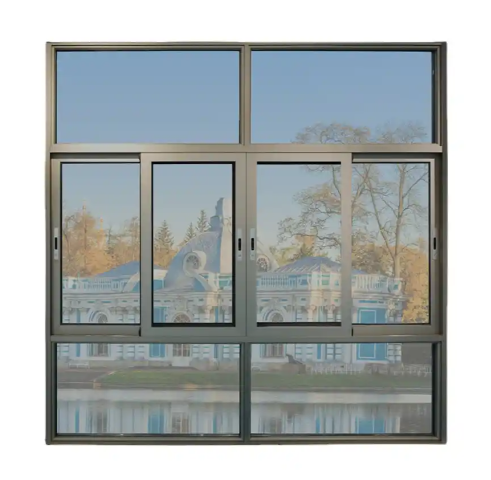
custom double hung aluminum windows with thermal break and Low-E insulated glass for global projects

Hardware, Balance Systems and Long-Term Operation

The balance system is a critical part of any double hung aluminum window. The mechanism supports the sash and makes vertical movement practical. If the balance is not correctly matched to sash weight, operation can become difficult and the user experience can deteriorate. This is why changing from standard glass to a significantly heavier laminated or triple-glazed configuration may require a corresponding hardware review.

Buyers should ask suppliers to identify the balance system being proposed and to confirm its intended sash-weight range. They should also request information about serviceability. A commercial project may remain in operation for many years, and maintenance teams need to know how replacement hardware can be obtained.

Locks, handles, tilt latches and restrictors should be evaluated in the same way. Hardware should provide appropriate security while remaining easy for occupants to operate. For schools and institutional buildings, opening restrictors may be particularly important. For hotels and high-end residential developments, hardware finish and operating smoothness may have a greater influence on the purchasing decision.

Weather Sealing and Water Management

A high-quality aluminum frame is only one part of weather performance. Air and water can enter through the interfaces between frame and sash, through poorly sealed corners or through incorrect installation. Therefore, the weather-sealing design should be reviewed in the technical drawing.

Gaskets and weatherstripping should create continuous sealing paths around the appropriate areas. At the same time, the window needs drainage routes that allow incidental water to leave the system rather than accumulate inside the frame. Procurement teams should ask for section drawings that show drainage and sealing details.

Installation is equally important. Even a well-engineered window can suffer from air leakage if the perimeter connection to the building is not correctly sealed. A supplier should provide installation recommendations, especially for projects where the window is being integrated into a new wall system, facade or renovation opening.

Surface Finishes and Architectural Appearance

Surface finishing gives aluminum windows their final appearance and provides protection appropriate to the selected environment. Powder coating and anodizing are common architectural finishing approaches, while other coating systems may be selected for demanding exposure or specific project requirements.

Color consistency becomes increasingly important as project quantity increases. A developer may order hundreds of windows for the same building, and slight visual differences between batches can become noticeable after installation. Buyers should therefore specify a recognized color reference, finish type, gloss level and sample approval procedure.

Coastal environments deserve additional attention. Salt exposure can increase corrosion risk if unsuitable materials, finishes or hardware are selected. The procurement specification should identify the environmental exposure and require the supplier to recommend an appropriate finish system.

Custom Manufacturing and Window Schedules

Custom double hung aluminum windows are especially useful when a project contains multiple opening sizes. Rather than forcing every opening into a standard catalog dimension, a factory can manufacture according to an approved window schedule. However, custom production works best when the buyer provides clear information.

A professional window schedule should identify window number, width, height, quantity, opening type, glass specification, frame finish, hardware, grid pattern and any special requirements. Drawings should clearly show the opening orientation and elevation. If installation details are already defined, those should also be shared during the engineering stage.

Before mass production, the supplier should return shop drawings for approval. This is one of the most important quality-control steps in international procurement. It creates a documented reference that both buyer and manufacturer can use during production and inspection.

Quality Control for International Procurement

Quality control should begin before the aluminum is assembled into the finished window. Incoming materials, extrusion dimensions, surface finish, glass quality, hardware and accessories should be checked against the approved specification. During machining and assembly, dimensional accuracy and corner quality should be monitored.

Final inspection should verify dimensions, appearance, sash operation, locks, glazing, seals, drainage openings and packaging. For large projects, buyers can establish an agreed sampling plan and acceptance criteria. Third-party inspection may also be used when required by the contract.

Documentation is another part of quality. Buyers should maintain approved drawings, glass specifications, finish samples, inspection records and packing lists. This documentation helps resolve questions later and provides a reference for repeat orders.

Packaging and International Shipping

Windows can be damaged during transport even when manufacturing quality is excellent. Packaging should therefore be designed around the actual shipping method. Protective film can help protect finished surfaces, while corner protection and separators can reduce impact between units.

Container loading should be planned before production. Efficient loading can reduce freight cost, but maximum density should never compromise product protection. Buyers should request packing dimensions, unit weights and loading photographs for major shipments when appropriate.

Labels should identify window numbers and installation locations where the project contains many different sizes. This simple step can save significant labor at the construction site because installers can identify the correct unit without opening every package.

How Procurement Managers Should Compare Suppliers

Supplier comparison should include more than the factory quotation. First compare the technical specification. Confirm that each supplier is quoting the same profile concept, glass, hardware, finish and performance target. Then compare tooling, samples, packaging, lead time, payment terms and delivery conditions.

Manufacturing capability should also be evaluated. A factory that can produce standard windows may not necessarily be equipped to handle a large custom project. Ask about production equipment, engineering support, quality-control procedures and previous export experience. For a major development, a supplier should be capable of managing both technical changes and repeat production.

Communication quality is an underestimated procurement factor. If technical questions take days to answer or drawings are repeatedly misunderstood, project delays can result. A supplier that provides clear engineering documents and responds quickly can reduce coordination costs throughout the project.

Long-Term Value Instead of Lowest Initial Price

The cheapest double hung aluminum window is not necessarily the lowest-cost procurement solution. A low-priced window may use thinner profiles, simpler glass, less durable hardware or weaker packaging. If the result is higher installation labor, damage during shipping or early component replacement, the initial saving can disappear quickly.

Buyers should calculate total landed cost and expected service value. Consider the product price, freight, duties, packaging, installation, maintenance, replacement components and project risk. For developers and distributors, consistent repeat quality can be more important than achieving the lowest possible first-order price.

A strong supplier relationship also creates opportunities for future product development. Once the profile, glass and hardware system has been approved, future orders can be produced using the same technical platform. This improves consistency, simplifies spare-parts management and makes repeat procurement faster.

Why Double Hung Aluminum Windows Remain Relevant to Modern Buyers

Double hung aluminum windows continue to attract attention because they combine a familiar operating style with modern aluminum engineering. Buyers can specify thermal break construction, insulated Low-E glazing, contemporary finishes, improved weather sealing and customized dimensions without abandoning the vertical sash format.

For procurement managers, the key is not simply selecting a window type. The goal is to create a complete specification that can be manufactured consistently and delivered reliably. That specification should connect architectural requirements, engineering performance, glass selection, hardware, quality control and logistics.

When the supplier understands these requirements and provides transparent technical documentation, double hung aluminum windows can become a highly practical solution for residential, commercial and renovation projects. The best purchasing decision comes from comparing complete systems rather than comparing isolated unit prices.

Long-Tail Keywords for Buyers and Search Intent

Buyers researching this product may use different search phrases depending on where they are in the purchasing process. Informational searches can include double hung aluminum windows, what are double hung aluminum windows, and double hung aluminum window benefits. Commercial research searches may include custom double hung aluminum windows, thermal break double hung aluminum windows, double hung aluminum windows supplier, and aluminum double hung window manufacturer.

Transactional searches may include wholesale double hung aluminum windows, custom size double hung aluminum windows, double hung aluminum windows factory, double hung aluminum windows manufacturer China, and double hung aluminum windows for commercial projects. These phrases should be distributed naturally across the page rather than repeated unnaturally. Search engines are better served by comprehensive content that answers different stages of the buyer journey.

Final Procurement Checklist

Before approving an order, confirm the final window schedule, dimensions, frame system, thermal break, glass specification, Low-E requirements, hardware, balance system, finish, color, weather seals, screens, grids and performance requirements. Confirm that the supplier's technical drawings match the approved specification.

Also confirm commercial terms, packaging, labeling, delivery schedule, inspection process, warranty, spare parts and after-sales support. If the order is large, approve a production sample or first article before mass manufacturing. These steps create a clear chain from architectural design to factory production and finally to installation.

For international buyers, this structured approach provides a much safer way to source double hung aluminum windows. Instead of treating the product as a simple commodity, the procurement team can evaluate the complete technical solution, manufacturing capability and long-term supplier value.

07 / Global Market Benchmark

Global Top 10 Supplier & Market Benchmark List

The following companies are presented as market benchmarks for buyer research. Product material, availability and regional product lines should be verified directly before procurement; this is not a claim of market-share ranking.

01

Crystal Window & Door Systems

US-based window manufacturer with aluminum double-hung product experience and commercial project references.

02

Winco Window

US commercial window supplier with single and double-hung aluminum systems for institutional and demanding applications.

03

Newtec Windows

Supplier offering residential and commercial thermal-break aluminum double-hung window configurations.

04

Chalco Aluminum

China-based aluminum manufacturer offering customized aluminum double-hung window solutions for project and bulk procurement.

05

AluK

International aluminum building-system company serving architectural windows, doors and facade applications.

06

Schüco

Global building-envelope systems company with extensive aluminum window, door and facade solutions.

07

JELD-WEN

Major international window and door company and useful benchmark for broader double-hung market research.

08

Pella

Major North American window and door manufacturer with a broad portfolio and strong double-hung market presence.

09

Marvin

Established North American window manufacturer with extensive residential and architectural product experience.

10

Wincore

North American window manufacturer and useful benchmark when researching double-hung product positioning and specifications.

08 / Related Products

Related Aluminum Window Products

Explore additional products from the WooCommerce catalog.

09 / Procurement Workflow

T-Shape Procurement Solution for Global Buyers

A structured purchasing workflow designed to connect technical requirements, production and delivery.

TECHNICAL REQUIREMENTS
ENGINEERING
QUALITY CONTROL
LOGISTICS
01

Send Window Schedule

Provide dimensions, quantities, elevations, opening types, glass requirements, colors and project location.

02

Engineering Review

Supplier reviews profile selection, sash weight, glazing, thermal break, hardware, drainage and performance requirements.

03

Quotation & Samples

Receive technical quotation, commercial terms, samples, finish options and estimated production schedule.

04

Shop Drawing Approval

Approve production drawings and freeze the technical specification before mass manufacturing.

05

Mass Production & QC

Manufacture according to the approved specification with dimensional, visual, hardware and glazing inspection.

06

Export Packing

Protective packaging, unit identification, loading planning and shipping documentation are prepared for delivery.

07

Delivery & After-Sales

Provide installation documentation, spare-part support and technical communication for future repeat orders.

10 / Industry Articles

Latest Articles & Industry Updates

Recent WordPress articles are automatically displayed below.

aluminium window company

aluminium window company

Aluminium Window Company | Custom Aluminium Windows Manufacturer & Supplier HOME PRODUCTS NEWS ABOUT US…

11 / Global Industry News

Latest Global Aluminum Window Industry News

Selected recent industry developments that may be relevant to window buyers, distributors, architects and procurement managers.

WINDOW NEWS · SEPTEMBER 21, 2026

AluK Updates Its BSC94 Sliding Door With a New Part L Compliant Version

The update highlights continued development of aluminum systems around energy performance and changing building requirements.

Read source →
WINDOW NEWS · SEPTEMBER 17, 2026

Natural Light Continues to Drive Opportunities for Installers

Demand for brighter and more open living environments remains an important consideration in window and glazing product development.

Read source →
GGP MAGAZINE · OCTOBER 1, 2026

Aluprof UK Marks 20 Years of Innovation and Growth

The aluminum systems sector continues to evolve around architectural products, manufacturing capability and long-term market development.

Read source →
GGP MAGAZINE · SEPTEMBER 28, 2026

AluK Joins the Made in Britain Network

The announcement focuses on manufacturing origin, supply-chain resilience and transparency within the aluminum construction systems sector.

Read source →
ALUK · SEPTEMBER 9, 2026

Large-Scale Residential Development Uses AluK Systems

A major residential development in Bedford demonstrates the role of coordinated aluminum windows, doors and curtain walling in large building projects.

Read source →
ALUK · APRIL 17, 2026

AluK Reports Cradle to Cradle Certified Aluminium Systems

Sustainability, recyclability and circular product design continue to influence architectural aluminum system development and procurement discussions.

Read source →

Ready to Source Double Hung Aluminum Windows?

Send your window schedule, drawings, dimensions or project requirements and start a technical quotation for custom double hung aluminum windows.

Get a quote