Specialized in the production and supply of a full range of aluminum profiles and metal fabrication



aluminum double hung windows
Aluminium Window Company | Custom Aluminium Windows Manufacturer & Supplier HOME PRODUCTS NEWS ABOUT US…
Specialized in the production and supply of a full range of aluminum profiles and metal fabrication
Specialized in the production and supply of a full range of aluminum profiles and metal fabrication

Custom aluminum sliding glass doors engineered for residential developments, hotels, commercial buildings, villas, apartments, renovation projects and international distribution. Compare configurations, materials, glazing, hardware, manufacturing options and purchasing solutions before requesting a quotation.
Get a quoteAn aluminum sliding glass door combines an extruded aluminum frame, one or more glass panels, rollers, tracks, locks, seals and installation components into a large opening system. For B2B buyers, the most important distinction is that the door should be evaluated as a complete engineered system rather than as a piece of glass surrounded by an aluminum frame. Profile geometry, wall thickness, thermal-break design, drainage, corner connections and hardware all influence final performance. Aluminum is particularly suitable for large openings because it provides a strong structural frame while allowing relatively slim sightlines. A well-designed system can create a large transparent opening without making the frame visually dominant. For developers and distributors, this balance between strength, appearance, service life and manufacturing flexibility is one reason aluminum sliding systems are widely specified for modern buildings.
Instead of swinging into a room, sliding panels move horizontally along a dedicated track. This saves interior floor space and makes the format suitable for patios, balconies, terraces, living rooms, hotel rooms, commercial spaces and other areas where a traditional swing door would occupy valuable circulation space. The quality of rollers and tracks is critical because the user experience depends heavily on smooth movement. Buyers should ask suppliers about roller material, bearing construction, load capacity, adjustment range and replacement availability. A door may look attractive when new but perform poorly if the track is not rigid or if the roller system is underspecified for the glass weight.
Aluminum sliding glass doors can range from economical two-panel systems to premium multi-panel, lift-and-slide, corner-opening and ultra-large-format configurations. Standard sliding doors are commonly used where cost efficiency and straightforward installation are priorities. Heavy-duty systems are more appropriate when larger glass panels, higher wind loads or frequent operation are expected. Lift-and-slide mechanisms can reduce friction during operation by lifting the panel slightly from the seal before movement, allowing large panels to be operated more comfortably. B2B buyers should therefore define the intended application before comparing prices. A low quotation for a standard system should not be compared directly with a quotation for a thermally broken, heavy-duty, multi-panel door without normalizing the specifications.
Common applications include residential villas, apartment buildings, balconies, terraces, hotels, resorts, restaurants, offices, retail spaces and commercial developments. The large glass area creates visual continuity between indoor and outdoor spaces, which makes the product attractive for projects where natural light and outdoor views are important. In hospitality projects, sliding doors can connect guest rooms with balconies or terraces. In residential developments, they are often selected for living rooms, dining areas and garden-facing openings. In commercial architecture, larger configurations can be used where daylight, visibility and flexible access are priorities.
Before requesting a quote, provide opening width and height, number of panels, desired opening direction, glass specification, frame finish, thermal-break requirement, hardware preference, installation location, project quantity, delivery destination and expected performance standards. These details help a manufacturer determine profile series, glass weight, hardware load and packaging requirements. Procurement teams should also clarify whether they require finished doors, knock-down components, aluminum profiles, glass-only packages or a complete installation-ready system. A precise technical brief normally produces a more useful quotation than a simple request for an “aluminum sliding glass door price.”
A two-panel aluminum sliding glass door is one of the simplest configurations and is often selected for residential openings and smaller commercial applications. One panel slides behind or alongside the other, creating a practical opening while maintaining a clean façade. This format is attractive for buyers who need repeatable dimensions across multiple housing units. It can also reduce manufacturing complexity compared with larger multi-panel systems. However, buyers should pay attention to the actual clear opening because the overall frame width does not equal the usable passage width. When comparing manufacturers, request a dimensioned drawing showing frame size, glass size, interlock dimensions and net opening.
Three- and four-panel configurations can provide a wider opening and more flexibility. Depending on the track arrangement, panels may slide in one direction, opposite directions or stack toward a designated side. These configurations are useful for villas, hospitality projects and premium residential developments where indoor and outdoor spaces are intended to connect visually. More panels also mean more rollers, interlocks, seals and frame joints, so engineering quality becomes increasingly important. Buyers should evaluate the system's ability to maintain alignment under repeated operation and should request information about the maximum recommended panel dimensions and weight.
For very large openings, multi-slide systems can move several panels into a stacked position. The objective is to maximize the clear opening without requiring a large swing area. Such systems are often specified for luxury villas, resorts, restaurants and architectural projects with extensive glazing. Procurement teams should not focus solely on the maximum panel size advertised by a supplier. The project location, wind exposure, glass type, installation tolerances, structural support and local building requirements all affect whether a particular configuration is appropriate. A responsible manufacturer should review these parameters before confirming production.
Corner-opening sliding doors are designed to create a highly open architectural corner, sometimes eliminating a conventional vertical corner post when the engineering system permits it. This can create an impressive connection between indoor and outdoor spaces. However, corner systems require accurate structural coordination and careful installation. Buyers should provide architectural drawings and ask the manufacturer to confirm corner details, drainage, locking arrangements and structural requirements. Corner openings can also require different glass and hardware configurations, so they should be quoted as a complete engineered solution rather than as two standard doors joined together.
Lift-and-slide technology is particularly useful for heavy glass panels. When the handle is turned, the mechanism can lift the panel away from its compression seals, reducing resistance during horizontal movement. When closed, the panel returns to its sealed position. This configuration can offer a premium operating experience for large doors. For project procurement, the key issue is not simply whether a supplier offers lift-and-slide hardware, but whether the hardware is properly matched to the panel weight, dimensions and frequency of operation. Buyers should ask for maximum panel weight, hardware brand or specification, test information, replacement parts availability and adjustment procedures.
Single glazing can be economical and may be appropriate for interior applications, mild climates or projects where thermal performance is not the primary requirement. For exterior architectural openings, however, buyers should carefully evaluate whether single glazing satisfies local energy, safety and acoustic requirements. The glass thickness must also be matched to the panel dimensions and expected loads. A manufacturer should confirm whether the selected glass is suitable for the proposed application rather than simply accepting a requested thickness.
Double-glazed insulated glass units use two glass panes separated by a spacer and sealed around the perimeter. The air or gas-filled cavity can reduce heat transfer compared with a single pane. For buyers sourcing doors for residential or commercial projects, double glazing is often a practical balance between energy performance, weight, cost and availability. The exact performance depends on glass thickness, coating, spacer technology, gas fill, cavity width and frame design. Therefore, “double glass” alone is not a sufficient technical specification for procurement.
Low-E coatings are designed to control radiant heat transfer. Depending on the coating type and climate, Low-E glass can help manage solar heat gain while maintaining daylight and visibility. This can be valuable for buildings exposed to strong sunlight or for projects seeking improved energy performance. Buyers should specify the required performance target rather than choosing Low-E solely because it sounds premium. The appropriate glass combination depends on climate, orientation, heating and cooling strategy, local regulations and project goals.
Safety glass is an important consideration for large sliding door panels. Tempered glass is processed to increase strength and change its fracture behavior. Laminated glass uses an interlayer between glass sheets and can provide additional safety and acoustic benefits. In certain applications, laminated configurations may be preferred where retention after breakage is important. Buyers should consult local codes and project engineers regarding required safety-glazing locations, especially for doors, low-level glazing, balconies and areas exposed to human impact.
A thermal break separates interior and exterior portions of the aluminum frame using a lower-conductivity material, commonly a polyamide component. This interrupts the direct metal path and can improve thermal performance. For projects in cold climates or highly conditioned buildings, thermal-break construction may be a key purchasing requirement. It is also important to consider the entire system, because a thermally broken frame paired with inappropriate glass, seals or installation details may not deliver the intended building-envelope performance. Buyers should request system-level thermal information where available and compare equivalent configurations.
Exterior sliding doors are part of the building envelope, so resistance to air infiltration and water penetration can be critical. Performance depends on frame geometry, seals, drainage paths, interlocks, sill design and installation. Buyers should request test information relevant to their target market rather than relying on generic claims such as “weatherproof.” A manufacturer familiar with export projects should be able to explain which test standards apply and what configuration was actually tested.
Large glass panels can experience substantial wind pressure, especially in coastal areas, high-rise buildings and exposed sites. The required design pressure varies according to building height, location, exposure, opening size and local codes. The aluminum profile, glass thickness, reinforcement, hardware and anchoring method must work together. Procurement teams should therefore provide the project location and opening dimensions early in the quotation process. The supplier can then determine whether a standard profile is appropriate or whether a heavier system is required.
Sliding doors should use appropriate locking points, handles, cylinders and anti-lift features for the intended application. Security requirements differ between residential, hospitality, commercial and high-risk environments. Buyers should ask whether the panel can be lifted from the track, how the interlock is secured and whether the locking hardware can be upgraded. For high-value projects, hardware availability and replacement procedures should also be considered because security components are service items over the life of the building.
Large glazed openings can affect indoor acoustic comfort. Acoustic performance depends on the entire assembly rather than glass alone. Glass thickness differences, laminated interlayers, insulated cavities, seals, frame design and installation quality all contribute. Buyers serving hotels, apartments, urban residences or buildings near roads should define acoustic objectives early. It is better to request a target performance value or project requirement than to ask vaguely for “soundproof glass.”
Aluminum frames are valued for corrosion resistance and relatively straightforward maintenance, but the complete door still requires proper cleaning, drainage inspection, hardware adjustment and roller maintenance. Coastal environments can be particularly demanding because salt exposure can accelerate corrosion of unsuitable components. Buyers should request recommended cleaning procedures, finish specifications and spare-parts availability. For large projects, procurement contracts can also include replacement rollers, handles, locks and seals as part of the initial supply package.
Customization can include overall width and height, panel quantity, opening direction, track arrangement and fixed-panel positions. For B2B projects, standardized dimensions are often preferable because they simplify production and installation. However, architecture frequently requires non-standard openings. A capable manufacturer should be able to review drawings and develop a configuration that balances appearance, structural performance, manufacturing feasibility and shipping constraints.
Common finish choices include powder coating and anodizing, while other architectural finishing systems may be available for specific applications. Buyers should define color references, gloss level, texture and surface durability requirements. For projects involving hundreds of doors, consistent color control across production batches is particularly important. Request finish samples or approved color references before mass production, and specify whether the quotation includes standard or special colors.
Glass can be customized by thickness, transparency, tint, coating, safety construction, insulation and acoustic characteristics. Depending on the market, buyers may request clear tempered glass, laminated glass, Low-E insulated glass, tinted glass or decorative options. A project specification should identify the glass composition rather than simply saying “double tempered glass.” This prevents suppliers from quoting technically different products under the same short description.
Handles, locks, cylinders, rollers, screens, restrictors and other accessories can be selected according to market requirements. For distributors, it is useful to standardize hardware across a product range to simplify spare-parts management. For projects, the hardware should be compatible with the expected panel weight and usage frequency. Procurement teams should also confirm whether replacement components will remain available after the project is completed.
OEM and private-label buyers may require branded labels, packaging, installation manuals, barcodes, cartons or project-specific identification. Export packaging should protect glass edges, frame corners and hardware during international transportation. Large doors also require careful container-loading planning because dimensional inefficiency can increase logistics costs. A professional supplier should be able to provide packing dimensions and loading plans before finalizing the order, helping buyers estimate the total landed cost rather than focusing only on the factory price.
Procurement teams should send the same technical specification to several suppliers. Comparing only unit prices can be misleading because one quotation may include thermal-break profiles, insulated Low-E glass, premium rollers and complete hardware while another uses a basic configuration. A useful RFQ should state dimensions, quantities, glass specification, frame finish, hardware, packaging, delivery term and destination. Ask suppliers to separate product cost, packaging, freight assumptions and optional upgrades.
For recurring B2B purchases, factory capability can be more important than a small initial price difference. Buyers should evaluate production equipment, quality control, extrusion or profile sourcing, glass processing, assembly capability, testing, export experience and after-sales support. Factory photographs alone are not sufficient. Request technical drawings, samples, inspection records and references where appropriate. A reliable supplier should be able to explain how the product moves from raw material through fabrication, assembly, testing and packaging.
Minimum order quantities vary by manufacturer and configuration. Standard products may be available at lower quantities, while customized colors, profiles or glass specifications can require higher volumes. Lead time should be confirmed after the technical specification is finalized because glass procurement, powder coating, extrusion availability, hardware sourcing and production capacity all influence scheduling. For project procurement, request a production timeline with approval milestones rather than accepting a single generic number of days.
The purchase price is only one component of the total cost. Buyers should consider packaging, container utilization, inland transportation, ocean or air freight, duties, taxes, insurance, local handling and installation. Aluminum sliding doors are relatively large products, so cubic volume can materially affect freight costs. A supplier that offers slightly higher factory pricing but better container loading may produce a lower landed cost. Ask for packing dimensions and estimated loading quantities before comparing offers.
For commercial projects, maintain a technical submittal package containing drawings, specifications, glass details, hardware schedules, finish references, installation instructions and approved samples. This documentation reduces ambiguity between purchasing, engineering, factory production and installation teams. It also provides a reference if replacement components are required later. For international buyers, the strongest purchasing strategy is therefore not simply “find the cheapest aluminum sliding glass door,” but “define the performance requirement, compare equivalent systems, verify the manufacturer, approve samples and control the production documentation.”
| Item | Standard Option | Premium / Project Option | Buyer Consideration |
|---|---|---|---|
| Frame | Aluminum alloy frame | Heavy-duty thermal-break aluminum frame | Match profile strength to opening size and wind load. |
| Glass | Single or standard tempered glass | Double/triple insulated Low-E laminated or tempered glass | Define thermal, acoustic and safety requirements. |
| Panels | 2 panels | 3–6+ panels / multi-slide | More panels require stronger hardware and accurate installation. |
| Operation | Standard sliding | Lift-and-slide | Lift-and-slide is useful for larger and heavier panels. |
| Finish | Standard powder coating | Custom powder coating / anodizing / project finish | Approve color sample before mass production. |
| Hardware | Standard rollers and lock | Heavy-duty rollers, multipoint locking and premium handles | Confirm load rating and spare-parts availability. |
| Application | Residential / light commercial | Villa / hotel / high-end commercial / large openings | Select the system according to project conditions. |
| Packaging | Standard export packaging | Reinforced customized export packaging | Important for long-distance sea transportation. |
A professional quotation request should contain much more information than the product name. Start with the project location, because climate, wind exposure, building regulations and logistics can affect the recommended system. Then provide the opening width and height, number of openings, number of panels, fixed and moving panel arrangement, opening direction and whether the door is intended for interior or exterior use. The glass specification should identify the number of panes, approximate thickness, safety construction, Low-E requirement, color or tint and any acoustic or solar-control objective. For the aluminum frame, state the desired finish, color reference and whether a thermal-break system is required. Hardware should also be described, including handle style, locking requirement, roller type and any preferred brand or performance level.
For B2B buyers, quantity is equally important. A supplier may quote differently for a prototype, ten doors, a full container or a multi-building development. Include your expected initial order and potential annual volume if you are a distributor. Ask for MOQ, sample cost, production lead time, packaging method, container loading quantity and warranty terms. If the project has architectural drawings, attach them rather than relying only on written dimensions. A good supplier can review the drawing and identify issues before production. You should also request a technical drawing, product data sheet and finish sample for approval. The more complete the RFQ, the easier it becomes to compare suppliers on an equivalent basis. Instead of asking “How much is an aluminum sliding glass door?”, ask for a complete quotation based on a defined specification. This approach reduces hidden differences between offers and helps purchasing teams identify the supplier that delivers the best combination of price, performance, service and reliability.
A thermal-break system can be worthwhile when the door forms part of an exterior conditioned building envelope and the project has meaningful thermal-performance requirements. Aluminum is a highly conductive material, so a conventional aluminum frame creates a direct path for heat transfer between the indoor and outdoor sides. A thermal break interrupts that path using a lower-conductivity material between the frame sections. The result can be improved frame thermal performance and better resistance to interior condensation under appropriate conditions. However, buyers should not assume that every thermal-break product automatically provides the same performance. The glass, spacer, seals, panel geometry, frame design and installation details also matter.
For procurement, the right question is therefore not simply whether a supplier offers “thermal break,” but what system performance the complete door can provide. Ask for thermal data for the actual configuration, especially when the project has an energy target or local code requirement. A thermally broken frame combined with basic single glass may not deliver the same building performance as a thermal-break frame with insulated Low-E glass. Climate should also influence the specification. Cold regions may prioritize low heat transfer and condensation control, while hot climates may place greater emphasis on solar heat gain and cooling loads. In coastal regions, finish durability and corrosion resistance may be equally important. For high-end villas, hotels and commercial buildings, the additional investment can be justified by comfort, energy objectives, long-term product positioning and project specifications. For a low-cost interior application, however, a premium thermal system may offer little practical benefit. Buyers should compare the incremental cost with the project's actual performance requirements rather than automatically selecting the most expensive configuration.
There is no single glass specification that is best for every aluminum sliding glass door. The correct choice depends on opening size, climate, safety requirements, orientation, acoustic objectives, energy targets, local building codes and budget. For many exterior residential and commercial projects, insulated double glazing provides a practical balance between thermal performance and cost. Low-E coatings can be added when controlling heat transfer or solar gain is important. Laminated glass can provide additional safety and acoustic benefits, while tempered glass is frequently used where safety glazing is required. Some projects may require triple glazing when energy performance is particularly demanding.
Large sliding doors require special attention because glass can become heavy very quickly as panel dimensions increase. Glass weight affects rollers, tracks, handles, lifting mechanisms and frame design. Therefore, buyers should not select glass independently from the door system. The manufacturer should confirm that the proposed rollers and hardware are designed for the actual glass composition and panel dimensions. The spacer and gas-fill specification can also influence insulated-glass performance. For projects in hot climates, solar-control glass may help reduce unwanted heat gain, while cold-climate projects may emphasize lower U-values. Coastal and high-wind locations may require specific structural glass calculations. A professional supplier should be able to recommend a glass build-up based on the project rather than simply offering a menu of generic options. When requesting samples, ask for the exact glass composition and, where applicable, the relevant test or performance information. The best procurement approach is to define the required outcome—thermal comfort, solar control, safety, sound reduction or appearance—and then select the glass configuration that achieves that outcome within the project budget.
The cost of an aluminum sliding glass door varies significantly because the product is highly configurable. Frame profile, alloy, dimensions, glass specification, thermal-break design, hardware, finish, panel count, packaging, quantity and destination can all influence the final price. A small standard two-panel door and a large multi-panel lift-and-slide system should never be compared using a simple price-per-door assumption. Glass is often one of the major cost variables, particularly when buyers specify large insulated, laminated, Low-E or specialty glass panels. Hardware can also make a significant difference because heavy-duty rollers and premium lift-and-slide mechanisms are more expensive than standard sliding components.
For international purchasing, landed cost is more useful than factory price alone. Large doors occupy substantial shipping volume, so packaging and container utilization can affect the final delivered cost. Buyers should request packing dimensions, estimated loading quantity and the supplier's recommended shipment configuration. Duties, local taxes, customs clearance, inland transportation and installation should also be considered. The best way to obtain a meaningful price is to submit a complete RFQ containing dimensions, quantities, glass, frame finish, hardware and destination. Ask suppliers to quote the same specification so that you can compare like with like. If your project is still at the design stage, request several configuration levels, such as standard, thermal-break and premium lift-and-slide, so the project team can evaluate the cost-performance relationship. For distributors, annual volume should be discussed because recurring orders may justify optimized packaging, standardized profiles, dedicated production planning and better commercial terms. A low initial price is not necessarily the best purchase if it leads to higher installation problems, spare-part costs or inconsistent quality.
Yes. Aluminum sliding glass doors are particularly suitable for customization because the frame is assembled from engineered aluminum profiles and can be configured for different opening dimensions, panel arrangements, finishes, glazing types and hardware packages. Villa and architectural projects often require larger openings, narrow sightlines, special colors, corner configurations or multiple sliding panels. Commercial and hospitality projects may also require project-specific hardware, access control integration or standardized dimensions across many units. A manufacturer should review the opening size and structural conditions before confirming a customized design.
Customization can involve several levels. The simplest level is color and glass selection. The next level includes different frame sizes, panel numbers and hardware. More advanced customization can involve lift-and-slide mechanisms, multi-track systems, corner openings, concealed drainage, special thresholds and oversized panels. Buyers should understand that customization can affect MOQ, tooling, lead time and installation requirements. For a large development, it is usually better to finalize a standard system family and then create a controlled schedule of opening sizes rather than treating every opening as a completely independent product. This can reduce manufacturing errors and simplify installation. The buyer should also request approval drawings before mass production. Drawings should identify opening dimensions, frame sections, glass composition, panel arrangement, handle position, locking points, drainage and installation interfaces. Sample approval is recommended for high-value projects. Once approved, the production specification should be frozen through a formal document so that the factory, purchaser and installer all work from the same reference. With proper engineering coordination, customized aluminum sliding glass doors can provide both architectural flexibility and repeatable B2B production.
Supplier verification should cover manufacturing capability, technical competence, quality control, export experience, documentation, communication and after-sales support. Start by checking whether the company actually manufactures the products or mainly trades products from other factories. Ask for factory information, production photographs, equipment information and examples of similar products. For larger projects, a video factory inspection or third-party audit can provide additional confidence. A supplier should be able to explain the production process from profile cutting and machining through assembly, glass installation, hardware fitting, inspection and packaging.
Technical verification is equally important. Request profile drawings, glass specifications, hardware information, finish standards, installation instructions and available test reports. Compare these documents with the quotation to ensure the supplier is not offering one specification while showing another online. Ask how dimensional tolerances are controlled, how glass is inspected, how frames are protected during transportation and how finished products are checked before packing. Request a sample if the order value is significant. A sample allows the buyer to evaluate frame rigidity, corner finishing, hardware operation, rollers, seals, glass quality and overall workmanship. For recurring purchases, also evaluate spare-parts availability and warranty procedures. Communication quality is an underrated supplier-selection factor: if a supplier cannot clearly answer technical questions before receiving an order, project coordination may become more difficult after payment. Buyers should also verify export packaging and shipping experience because oversized glass products are vulnerable to damage if packaging is inadequate. Finally, compare references, inspection results and commercial terms rather than selecting purely on price. A reliable manufacturer should make it easier for the buyer to understand exactly what will be produced, how it will be tested and how problems will be handled if they occur.
The required certifications and performance standards depend on the destination market and the type of project. Buyers should first identify the local building code and project specification rather than asking for every possible certificate. Different markets may have requirements for structural performance, air infiltration, water penetration, thermal performance, safety glazing, accessibility, acoustic performance and wind resistance. In some projects, the architect or consultant will provide a performance specification that the door system must satisfy. The manufacturer should then confirm whether its tested configuration corresponds to the requested requirement.
It is important to distinguish between a company having a general certificate and a specific product configuration having been tested. For example, a test performed on a small standard door does not automatically prove that a much larger multi-panel sliding door has the same performance. Buyers should ask for the test configuration, dimensions and relevant product series. Documentation should be traceable to the actual system being purchased. Depending on the market, buyers may also need documentation concerning glass safety, thermal performance, materials, finish durability or environmental requirements. For projects in Japan, North America, Europe, Australia or other regulated markets, local requirements should be checked with the project consultant or responsible building professional. A professional export manufacturer should be willing to provide technical documentation and explain which standards its products can be designed to meet. This documentation is also useful during tendering because it allows contractors and architects to verify compliance before the purchase order is issued. The safest procurement strategy is to establish a written compliance checklist before comparing suppliers, then require every supplier to respond to the same checklist. This prevents certificates from being used as marketing claims without proving that the quoted product actually satisfies the required project performance.
A strong China sourcing strategy begins with technical standardization. Instead of asking several factories for their cheapest aluminum sliding glass door, prepare one RFQ that defines dimensions, frame series, thermal-break requirement, glass, hardware, finish, packaging, quantity and destination. This allows you to compare quotations on an equivalent basis. Request drawings and a sample before committing to a large production run. For distributors, it is useful to identify a core product range that can be repeatedly manufactured rather than changing the system for every order. Standardization improves purchasing efficiency, spare-parts management and quality consistency.
For project buyers, the second priority is production control. Approve drawings, glass specifications, colors and hardware before mass production. Use a clear inspection checklist covering dimensions, frame assembly, glass, finish, hardware operation, locks, rollers, seals and packaging. Consider pre-shipment inspection for large orders. Logistics should be planned at the same time as production because door size and packaging can strongly affect container utilization. Ask for a loading plan and confirm how glass and finished frames will be protected during transportation. Commercial terms should also be reviewed carefully, including payment stages, lead time, warranty, replacement policy and responsibility for damage. For long-term purchasing, negotiate around total annual volume rather than only the first order. A reliable factory may be able to optimize packaging, reserve production capacity and maintain consistent specifications for repeat projects. Finally, do not underestimate installation. Provide installation manuals and request technical support when the product is unfamiliar to the local installer. The best international sourcing model is a controlled process: define the technical specification, shortlist capable manufacturers, sample and test, approve drawings, inspect production, optimize shipping, and maintain a documented after-sales process. This turns a one-time import transaction into a repeatable B2B supply chain.
Architectural aluminum profiles provide the structural framework of the sliding door. Profile geometry determines stiffness, sightline, drainage and hardware compatibility. The alloy and temper should be selected according to the application and engineering requirements. Precision cutting and machining are important because small dimensional errors can accumulate across large multi-panel systems.
Powder coating and anodizing are common architectural finishes. Color consistency, coating thickness, pretreatment and surface preparation should be controlled during production. Buyers working in coastal or demanding environments should specify an appropriate finish system instead of treating all aluminum finishes as equivalent.
Glass may be cut, edge-finished, tempered, laminated or assembled into insulated glass units depending on the specification. Glass dimensions must be coordinated precisely with frame tolerances and hardware loads. Large panels require careful handling throughout production and packaging.
Frames, glass, rollers, locks, handles, seals and accessories are assembled and adjusted before inspection. Quality control should verify dimensions, visual appearance, operation, hardware function and packaging condition. For export projects, protective packaging should be designed for long-distance transportation.
An aluminum sliding glass door is more than an architectural opening. For an international procurement team, it is a combination of structural aluminum profiles, glazing technology, hardware engineering, weather management, security, finishing, packaging and logistics. This is why buyers comparing suppliers should evaluate the complete system instead of searching only for the lowest unit price. A professional specification can dramatically improve the quality of quotations and reduce the risk of receiving technically different products from different factories.
The main advantage of an aluminum sliding glass door is the balance between structural strength and visual openness. Aluminum profiles can support large areas of glass while maintaining relatively slim frame dimensions. This makes the system suitable for contemporary residential architecture, hospitality, commercial buildings and mixed-use developments. The sliding operating principle also saves floor space because the panel moves horizontally rather than swinging into the room. For villas and resort properties, this creates a strong visual connection between interior rooms and outdoor terraces, gardens, balconies and pool areas.
From a procurement perspective, the first decision should be the intended application. A small residential balcony door does not require the same profile, hardware or glass configuration as a large lift-and-slide system in a coastal luxury villa. Likewise, an apartment developer may prioritize repeatability and cost control, while a hotel may prioritize durability and frequent operation. A distributor may prioritize standardized SKUs, packaging, replacement parts and market-specific compliance. Defining the application first prevents buyers from comparing incompatible products.
Frame selection is another major consideration. Aluminum profiles vary in section geometry, wall thickness, thermal-break design, sightline and hardware compatibility. The strongest-looking profile is not automatically the best profile, because excessive material can increase weight and cost without improving the performance required by the project. The correct profile should be selected according to panel size, glass weight, wind load, operating frequency and architectural requirements. Buyers should ask for technical drawings and maximum recommended panel dimensions rather than relying on marketing images.
Thermal performance becomes increasingly important when the sliding glass door forms part of the exterior building envelope. A thermal-break frame can reduce direct heat conduction through the aluminum profile. However, the glass and installation details also matter. Double glazing, Low-E coatings, appropriate spacers and insulated cavities can contribute to overall performance. The correct combination depends on climate. Cold climates may emphasize heat retention and condensation control, while hot climates may emphasize solar-control glazing and cooling-load reduction. A professional manufacturer should help buyers select the configuration according to the project's performance target.
Glass safety is another issue that should never be treated as an afterthought. Sliding doors often contain large glass panels, and many building codes require safety glazing in doors and specific hazardous locations. Tempered glass and laminated glass offer different characteristics. Tempered glass is processed to increase strength and change the way it breaks. Laminated glass uses an interlayer that can help hold fragments together after breakage and may provide acoustic benefits. The appropriate specification should be established with the project's architect, engineer or building-code professional.
Hardware determines much of the everyday user experience. A sliding door that looks premium but requires excessive force to move will not perform like a premium system. Rollers must be sized for the actual panel weight. Tracks must remain stable and clean. Locks need to engage reliably. Handles must be comfortable and durable. Large panels may benefit from lift-and-slide mechanisms that reduce operating resistance. Procurement teams should request information about maximum panel weight, roller capacity, locking points, adjustment procedures and replacement components.
Water management is particularly important for exterior sliding systems. The sill should be designed to control water and provide drainage pathways. Seals and gaskets must be installed correctly, and the frame must be installed with appropriate tolerances and flashing details. A door cannot compensate for poor installation. For this reason, buyers should evaluate both product design and installation instructions. For projects where weather exposure is significant, request applicable performance information and make sure the tested configuration is comparable with the proposed production configuration.
Surface finishing affects both appearance and long-term durability. Powder coating offers a broad range of architectural colors and textures, while anodizing can create a distinctive metallic finish. For international projects, buyers should provide a defined color reference and approve a physical sample when appearance is important. Large developments should establish an approved finish standard before mass production to reduce color variation between batches.
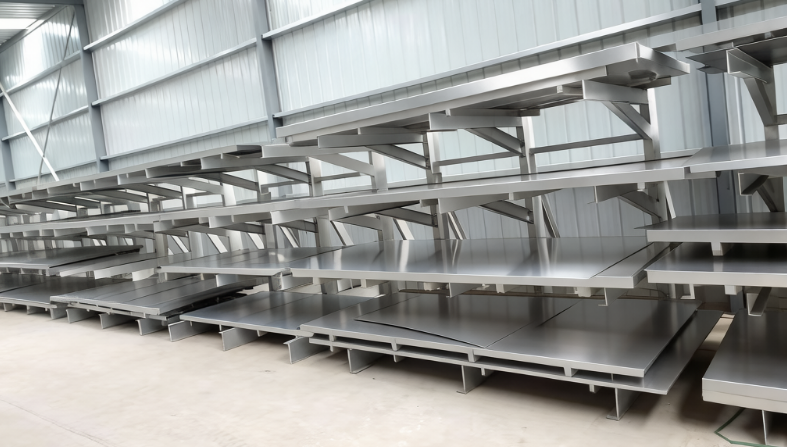
For B2B buyers, manufacturing capability should be assessed before the purchase order. A manufacturer should be able to explain profile sourcing, cutting, machining, assembly, glass processing, hardware installation, inspection and packaging. Buyers should ask whether the company can manufacture finished doors or only supply aluminum profiles. A complete finished-door factory may be more suitable for buyers who want one supplier responsible for the complete system. Profile-only suppliers may be better for fabricators that already operate their own assembly lines.
Quality control should be divided into incoming material inspection, process inspection and final inspection. Aluminum profiles should be checked for dimensions and surface quality. Glass should be checked for correct size, visual defects and specification. Hardware should be inspected for correct model and operation. Finished doors should be checked for dimensions, alignment, sliding movement, locks, seals and appearance. Packaging should be inspected before shipment because even a perfect product can arrive damaged if it is inadequately protected.
International logistics deserve special attention. Aluminum sliding glass doors are large, fragile and relatively space-intensive. Container loading efficiency can influence the landed cost significantly. Buyers should ask for packaging dimensions, loading quantities and recommended protection methods. For projects with multiple door sizes, a loading plan can help optimize the order. Glass and frames should be protected from impact, abrasion and movement during transportation. Wooden crates, reinforced cartons, corner protection and internal separators may be considered depending on the product and destination requirements.
For distributors, the purchasing strategy should focus on repeatability. Establish a small number of core systems with standardized profiles, glass options, hardware and colors. This makes sales training easier and reduces spare-parts complexity. Once the core range has stable demand, special sizes and finishes can be introduced. Private-label packaging and market-specific manuals can further strengthen the distributor's product offering. A manufacturer capable of supporting OEM requirements can help the distributor build a differentiated product line instead of competing solely on price.
For project developers, the priority is specification control. Every opening should have a unique identification number linked to its size, glass, panel arrangement, finish and hardware. Shop drawings should be approved before production. If multiple buildings are involved, the buyer should maintain a master schedule so the factory can organize production efficiently. This process reduces the risk of receiving incorrect sizes and makes installation sequencing easier.
Supplier comparison should include technical, commercial and service factors. Technical factors include profile design, thermal break, glass, hardware, weather performance and safety. Commercial factors include price, MOQ, payment terms, lead time, packaging and logistics. Service factors include communication, engineering support, sample development, inspection, warranty and spare parts. A supplier with a slightly higher unit price may provide a lower total project cost if the product arrives correctly sized, well packaged and easy to install.
Another important factor is communication. International projects often involve architects, engineers, contractors, purchasing managers and factory teams working in different languages and time zones. The supplier should be able to interpret technical drawings and provide clear confirmation. Written specifications should be used for critical decisions instead of relying entirely on informal messaging. When the project involves unusual dimensions or special glass, technical drawings are essential.
Price should be evaluated carefully. The cheapest aluminum sliding glass door may use a thinner profile, simpler hardware, basic glass or less protective packaging. Such savings may appear attractive during purchasing but can become expensive if the door has operating problems, glass damage, installation difficulties or spare-parts issues. The better approach is to establish a minimum technical specification and then compare suppliers on total value. Buyers can request three levels—standard, upgraded and premium—to understand how performance changes with price.
Market requirements should also be considered. A product designed for one climate or building code may not be suitable for another market without modification. Buyers should confirm local requirements before production. This is particularly important for projects in countries with specific energy, safety, wind-load, accessibility or thermal requirements. A supplier with export experience can help identify potential issues, but final compliance should be confirmed by the responsible local professional.
The global aluminum sliding glass door supply chain includes system companies, finished-door manufacturers, fabricators and distributors. System companies often focus on engineered profiles and hardware platforms that local fabricators assemble. Finished-door factories can provide a more direct solution for international buyers seeking customized completed products. The right sourcing model depends on the buyer's own capabilities. A local fabricator may prefer profiles and accessories, while a construction company without a door fabrication facility may prefer complete finished products.
For buyers sourcing from China, factory verification is particularly important because the market includes both highly capable manufacturers and trading companies. A buyer should confirm the legal company, manufacturing location, production capability and product scope. Video inspections, sample orders and third-party inspections can reduce risk. Large projects should consider a formal quality agreement defining tolerances, approved materials, inspection points, packaging and replacement procedures.
Aluminum sliding glass doors are also increasingly connected with modern architectural trends such as large openings, indoor-outdoor living, daylighting and minimal visual lines. This creates opportunities for manufacturers that can combine engineering with design. However, the most attractive appearance must still be supported by appropriate structure, hardware, glass and installation details. A narrow frame that is not engineered for the panel size can create problems. Buyers should therefore treat design and engineering as complementary rather than competing priorities.
For renovation projects, measurement accuracy becomes especially important. Existing openings may not be square or level, and floor conditions can vary. The replacement system should be designed around actual site measurements. Threshold height, drainage, existing waterproofing and structural support should be checked before ordering. A factory can manufacture accurately only when the input dimensions are accurate.
For new construction, early coordination provides more opportunities. The door system can be integrated into structural openings, waterproofing, floor levels and exterior finishes from the design stage. This can improve both appearance and installation efficiency. Architects should define the intended sightline, glass proportion, sill treatment and opening method early enough for the manufacturer to propose the correct system.
After-sales support is another factor that distinguishes a long-term supplier from a one-time seller. Sliding doors contain wear components such as rollers, seals and hardware. A manufacturer should provide replacement parts and technical instructions. For distributors, maintaining a spare-parts stock can improve customer satisfaction and reduce warranty costs. For developers, documenting the installed door series and hardware model can simplify future maintenance.
Ultimately, buying an aluminum sliding glass door is a system procurement decision. The strongest purchasing process begins with a clear application, converts that application into a technical specification, compares equivalent quotations, verifies suppliers, approves samples, controls production and manages logistics. When these steps are followed, international buyers can achieve a better balance of price, performance, appearance, durability and service.
The following companies are presented as global market benchmarks for buyer research rather than as a universal ranking. Buyers should compare each company's product scope, system availability, local distribution, technical support and project suitability against their own market requirements.
Known for premium building-envelope systems covering aluminum windows, doors and sliding solutions. Often relevant to high-specification architectural and commercial projects.
Provides architectural aluminum systems including large sliding solutions and is widely researched for premium European-style projects.
Offers aluminum systems for doors, windows and large openings and is a useful benchmark for buyers evaluating architectural aluminum solutions.
A major international building-products group with strong experience in windows, doors and architectural envelope systems across multiple markets.
Focuses on architectural aluminum systems and provides a useful benchmark for contemporary windows, doors and large glazed openings.
Known for aluminum architectural systems and a broad range of doors and windows, making it relevant for European and international project research.
Provides architectural aluminum systems for windows, doors, façades and large openings and is a useful benchmark for European procurement.
Known for premium aluminum doors and large glazed opening solutions, particularly relevant to residential and high-end architectural applications.
Provides large-opening door systems and architectural solutions for residential and commercial projects, useful for comparing premium opening concepts.
A major Asian building-products brand with extensive experience in windows and doors. Particularly relevant for buyers researching Asian market specifications.
Explore related products that may be suitable for residential, commercial, architectural and international B2B projects.
01 · Project
Building type, destination country, climate and installation location.
02 · Dimensions
Opening width, height, panel count and configuration.
03 · Performance
Thermal, acoustic, safety, wind and weather requirements.
04 · Quantity
Sample quantity, first order and estimated annual demand.
Technical review → System selection → Glass calculation → Hardware matching → Drawing approval → Sample production → Mass production → Inspection → Export packaging
Get a quote01 · Technical Package
Drawings, specifications and product configuration.
02 · Commercial Package
Quotation, MOQ, lead time and packing information.
03 · Production
Controlled manufacturing based on approved specifications.
04 · Logistics
Protective export packaging and shipment coordination.
Read more industry and product-selection content to support your architectural door and window purchasing decisions.
Aluminium Window Company | Custom Aluminium Windows Manufacturer & Supplier HOME PRODUCTS NEWS ABOUT US…
Aluminium Window Company | Custom Aluminium Windows Manufacturer & Supplier HOME PRODUCTS NEWS ABOUT US…
HOME PRODUCTS NEWS ABOUT US CONTACT Architectural Door Systems • B2B Sourcing • Global Supply…
UK construction activity declined in September, although the rate of decline eased compared with August. The report highlights subdued new orders and longer decision cycles for major projects.
Read source →US construction spending increased in August, with nonresidential construction contributing to the monthly rise. For door and window suppliers, project activity remains an important demand indicator.
Read source →Japan's 2026 advanced window renovation program continues to focus on improving insulation performance of windows and doors, highlighting the growing importance of energy-efficient opening systems.
Read source →Construction industry reporting has highlighted how changes in steel, aluminum and copper tariffs can influence material costs and project pricing, making supply-chain planning increasingly important for buyers.
Read source →A major aluminum recycling facility in Alabama was reported to be approaching construction completion. Large-scale investment in aluminum infrastructure remains relevant to the long-term material supply landscape.
Read source →Recent architectural door product coverage continues to show strong interest in large glazed openings, acoustic performance, aluminum framing and flexible opening systems for modern buildings.
Read source →Send your opening dimensions, quantity, glass requirements, preferred finish, destination market and project drawings. A complete technical brief allows the manufacturer to recommend the appropriate aluminum system and prepare a more accurate quotation.
Get a quote