Aluminum Single Hung Window: Complete Procurement Guide for Global Buyers
An aluminum single hung window is a practical window configuration for buyers who
need controlled ventilation, durable framing and a clean architectural appearance. The system
normally consists of a fixed upper sash and a vertically moving lower sash. Because the operating
principle is straightforward, single hung windows are frequently considered for residential
buildings, apartment developments, hotels, schools, offices, renovation projects and other
construction applications. However, professional procurement requires a much deeper evaluation than
simply choosing the operating style.
For international buyers, the most important consideration is to define the complete product
specification before requesting prices. A supplier may quote an aluminum single hung window using
a basic aluminum profile, single glass and standard hardware, while another supplier may quote a
thermal-break frame with insulated Low-E glass and upgraded hardware. Both products may be called
aluminum single hung windows, but their performance and cost can be very different. A detailed RFQ
therefore protects the buyer from comparing different products as though they were equivalent.
1. Understanding the Single Hung Window Configuration
The defining characteristic of a single hung window is that one sash is designed to move while the
other remains fixed. In the common configuration, the lower sash moves vertically and the upper
sash remains stationary. This provides ventilation through the lower portion while maintaining a
stable upper glazed section. The system can be engineered in different proportions, so the visible
relationship between the upper and lower sections does not have to be identical from one project to
another.
Buyers should specify whether the product is intended for new construction or replacement. New
construction allows the architect and manufacturer to coordinate the rough opening, frame
dimensions and installation details from the beginning. Replacement projects are different because
the existing opening, wall construction and installation conditions can limit the available frame
size. Accurate field measurement becomes particularly important.
A single hung configuration can also simplify certain maintenance requirements because there are
fewer moving components than in some double-opening systems. However, the final maintenance burden
depends on hardware quality, weather exposure, installation and usage frequency. Procurement teams
should evaluate the complete operating system rather than assuming that the window will be
maintenance-free.
2. Why Aluminum Is a Strong Material for Window Manufacturing
Aluminum is widely used in architectural window systems because it provides a useful combination
of strength, relatively low weight, dimensional stability and design flexibility. Extrusion
technology allows manufacturers to create complex profile geometries that incorporate glazing
pockets, drainage paths, hardware channels and reinforcement zones. This gives designers and
engineers significant freedom when developing window systems.
Another advantage is surface finishing. Aluminum can be powder coated in a broad range of
architectural colors or anodized to create a metallic appearance. This allows windows to coordinate
with facade systems, doors and other architectural components. For developers and architects,
consistent color and surface quality can be an important part of the building's visual identity.
Aluminum also has strong recycling characteristics. Modern procurement is increasingly considering
not only the performance of a building product but also its material lifecycle. Recycled aluminum
can play a role in lower-impact construction strategies when the material source and recycled
content are properly documented.
3. Thermal Break Aluminum Single Hung Windows
Conventional aluminum is highly conductive. For buildings where energy performance is important,
thermal-break construction can reduce direct thermal transfer between the interior and exterior
sections of the frame. The thermal barrier is typically made from a lower-conductivity insulating
material and separates the aluminum components.
A thermal-break aluminum single hung window should be considered as part of a complete window
assembly. The glass, spacer, gaskets and installation also influence overall thermal behavior. A
thermal frame paired with poor glazing may not deliver the desired result, while a well-balanced
frame and glass configuration can provide a stronger overall envelope.
Buyers should request actual performance information rather than relying on generic marketing
language. When possible, compare whole-window performance using the same test or calculation
methodology. This is especially important for commercial developments where energy targets are
included in the project specification.
4. Glass Selection for International Projects
Glass is one of the most important variables in the price and performance of an aluminum window.
Basic single glazing may be appropriate for certain low-cost or mild-climate applications, while
insulated glazing can improve thermal performance. Low-E coatings can be used to manage radiant
heat transfer, and solar-control glass may be appropriate for buildings exposed to strong sunlight.
Safety requirements should also be considered. Depending on location and building type, tempered or
laminated glass may be required. Laminated glass can also contribute to acoustic performance and
security. Buyers should not specify glass only by appearance because two visually similar glass
products can have very different technical properties.
A good procurement specification identifies glass thickness, configuration, coating, spacer,
interlayer where applicable, color and safety requirements. The manufacturer can then price the
actual specification instead of making assumptions.
5. Surface Finishing and Color Control
Powder coating is a popular finish for aluminum windows because it provides a broad selection of
colors and can produce a consistent architectural appearance. Black, white, grey, bronze and
metallic finishes are frequently considered for modern projects. Anodizing offers a different
appearance and can be selected when the design calls for a metallic aluminum character.
Color control is especially important for large projects. A buyer should approve a sample before
mass production and specify a recognized color reference where possible. Batch consistency should
be included in the factory quality-control plan. If the windows are being installed alongside
aluminum doors or curtain walls from another supplier, the project team should consider whether the
finishes need to be coordinated across manufacturers.
6. Hardware and Operating Performance
The lower sash of a single hung window must move smoothly and remain properly supported throughout
its operating range. Hardware can include balances, locks, handles, rollers and other components
depending on the specific system. Hardware quality affects both user experience and maintenance.
For high-volume residential developments, standardized hardware can make future maintenance easier.
A property management company can keep common replacement parts rather than supporting many
different hardware systems. Buyers should ask whether spare hardware can be purchased after the
original order has been completed.
7. Weather Sealing and Drainage
Window performance depends heavily on how air and water are controlled. Gaskets and weather seals
should be designed around the movement of the sash. Drainage channels should direct incidental
water toward the exterior. The exact design depends on the profile system and applicable performance
requirements.
A buyer working in a heavy-rainfall or coastal environment should provide the supplier with the
project location. Wind pressure, rainfall and exposure can influence the required system. The
installation interface should also be reviewed because the perimeter of the window is part of the
building envelope.
8. Manufacturing Quality and Tolerances
The quality of a finished window is determined by the entire manufacturing sequence. Aluminum
profiles must be consistent before they enter fabrication. Cutting must be accurate. Machining
holes and slots must align with hardware. Corners must be joined correctly. Glass must fit the
glazing system. Gaskets must be installed consistently. Finally, the finished window must be
inspected before packing.
Small errors can become significant when thousands of windows are installed on a project. For this
reason, buyers should consider pre-production approval and a defined inspection process. A
production sample can become the reference for subsequent manufacturing.
9. Custom Aluminum Single Hung Window Manufacturing
Customization can be valuable when a project uses non-standard openings or requires a particular
architectural appearance. A custom aluminum single hung window may involve unique dimensions,
special colors, different glass combinations, custom hardware or OEM branding.
Custom production should begin with engineering rather than immediate mass production. The supplier
should review drawings, identify technical issues and provide production drawings for approval.
Where tooling is necessary, ownership and future usage should be agreed in writing.
10. Aluminum Single Hung Windows for Apartments
Apartment projects are a strong application for standardized window systems. Developers often need
hundreds or thousands of units with consistent dimensions and appearance. A manufacturer can create
a family of window sizes using compatible profile systems, simplifying procurement and maintenance.
For apartment buyers, important considerations include cost control, durability, installation
speed, glass performance, safety, appearance and replacement parts. The best procurement strategy
balances initial price with long-term operating cost.
11. Commercial Aluminum Single Hung Windows
Commercial projects generally require more detailed technical specifications than small residential
orders. The buyer may need documented air, water, structural, thermal and acoustic performance.
Local building regulations should be reviewed before production.
Commercial buyers should also consider project coordination. Window dimensions must align with
structural openings and facade details. Installation accessories, flashing and sealants may need to
be coordinated with other trades. A manufacturer that can support technical communication can help
reduce site problems.
12. Aluminum Single Hung Window Factory Evaluation
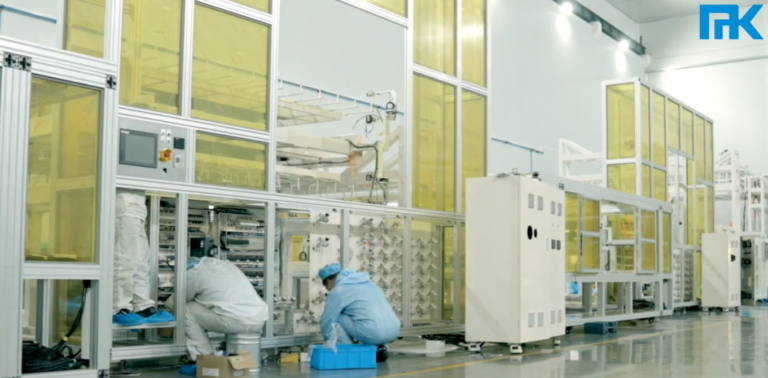
When evaluating an aluminum single hung window factory, buyers should review more than production
photographs. Ask about extrusion capability, profile inventory, fabrication equipment, finishing
lines, glazing, assembly, inspection and export packing. Factory organization can reveal how well
the supplier manages high-volume orders.
Buyers should also evaluate documentation. Drawings, specifications, quality reports, inspection
records and packing lists can make international procurement more predictable. A professional
supplier should be able to convert a buyer's requirements into a clear manufacturing specification.
13. Aluminum Single Hung Window Wholesale Procurement
Wholesale buyers should focus on repeatability. If the first order is successful, future orders
should use the same approved profile, glass, color and hardware unless a change is deliberately
authorized. A documented master specification can prevent accidental substitutions.
Wholesale procurement also benefits from planned inventory. Standard sizes may be stocked for
distribution markets, while project sizes can be produced against confirmed orders. Buyers should
discuss minimum order quantities, lead times and replacement policies with the supplier.
14. Aluminum Single Hung Window Price Factors
The price of an aluminum single hung window can change significantly based on specification. Frame
size affects aluminum consumption. Glass affects material cost and processing. Powder coating
affects finishing cost. Hardware affects component cost. Custom tooling can introduce development
charges. Packaging and shipping affect the final landed price.
For this reason, a buyer should not ask simply for “the cheapest aluminum window.” Instead, the
buyer should define the intended application and performance target. A manufacturer can then
recommend a cost-effective specification rather than removing important components simply to reach
a lower headline price.
15. International Shipping and Packaging
Windows are relatively large compared with their weight, so container utilization matters. Poor
packing can also lead to scratched finishes, broken glass or distorted frames. Export packaging
should protect corners, glass and finished surfaces while allowing efficient loading.
Buyers should request photographs of the packaging method and, for large projects, a container
loading plan. Clear package labels can also make installation and distribution easier after the
products arrive.
16. Quality Inspection Before Shipment
Pre-shipment inspection can verify quantity, dimensions, appearance, glass, hardware, operation,
finish and packaging. For large orders, inspection should be based on an agreed checklist.
Buyers can also request production photographs, random sample measurements and packing photographs.
If third-party inspection is required, the inspection criteria should be shared with the factory in
advance so that the production team understands the acceptance standard.
17. Sustainable Aluminum Window Procurement
Sustainability is becoming a more important consideration in building-product procurement.
Aluminum's recyclability creates opportunities for circular material strategies, but buyers should
request evidence when recycled content or low-carbon aluminum is part of the project requirement.
Material traceability, recycled content documentation, responsible sourcing and end-of-life
recycling can all become part of a broader sustainability strategy. Procurement teams should
distinguish verified documentation from generic environmental marketing.
18. How to Compare Three Aluminum Window Suppliers
A practical supplier comparison should use the same RFQ for every factory. Ask each supplier to
quote the same dimensions, glass, finish, hardware and quantity. Then compare the technical
specification, not only the price.
Create a scoring matrix covering product quality, price, lead time, customization, testing,
packaging, communication, production capacity and after-sales support. This creates a more
objective purchasing process and reduces the risk of selecting a supplier only because its initial
quotation is lower.
19. Long-Tail Search Terms Buyers Commonly Use
Buyers searching for this product may use highly specific commercial queries. Relevant long-tail
terms include aluminum single hung window manufacturer, aluminum single
hung windows supplier, custom aluminum single hung window,
aluminum single hung window factory, commercial aluminum single hung
windows, thermal break aluminum single hung window, energy
efficient aluminum single hung window, double glazed aluminum single hung
window, powder coated aluminum single hung window, aluminum
single hung window wholesale and aluminum single hung window price.
These long-tail terms represent different stages of the buying journey. A user searching “what is
an aluminum single hung window” has informational intent. A buyer searching “aluminum single hung
windows supplier” is performing commercial research. A buyer searching “custom aluminum single hung
window quotation” is much closer to a transaction. A strong product page should therefore answer
all three levels of intent without forcing unrelated keywords into the content.
20. Why Buyers Should Request a Technical Quotation
A technical quotation transforms a generic product request into a measurable procurement document.
It allows the buyer to compare suppliers fairly and gives the manufacturer a clear production
target. A good quotation can identify the aluminum system, glass, hardware, finish, accessories,
packaging, quantity, lead time and commercial terms.
For international projects, technical clarity is particularly valuable because communication may
occur across languages, time zones and different construction standards. Drawings, photographs,
samples and written specifications can reduce misunderstandings.
21. Final Procurement Checklist
Before placing an order, confirm the window type, dimensions, aluminum profile, alloy,
wall thickness, thermal-break requirement, glass, Low-E option, safety treatment, color, surface
finish, hardware, gaskets, drainage, performance requirements, packaging, quantity, delivery
schedule and commercial terms.
Also confirm the approved sample and drawings. Make sure the supplier understands which elements
cannot be changed without written approval. For repeat orders, retain the original approved
specification as the master reference. This simple step can significantly improve consistency over
the life of a procurement relationship.
22. Conclusion: Selecting the Right Aluminum Single Hung Window Supplier
The best aluminum single hung window is not necessarily the cheapest product. It is the product that
matches the project's opening dimensions, climate, performance requirements, architectural design,
installation method and budget while being manufactured consistently by a reliable supplier.
International buyers should compare complete technical specifications, request samples, review
factory capability, define inspection standards and evaluate total landed cost. With the right
procurement process, an aluminum single hung window can provide a practical combination of
ventilation, durability, architectural flexibility and long-term value.