Aluminum Double Hung Window Manufacturer & Global Wholesale Supplier

Custom aluminum double hung windows for importers, distributors, contractors, developers, architects and construction procurement teams. Explore window specifications, aluminum profiles, glazing options, thermal performance, custom manufacturing, quality control, supplier selection and international procurement solutions.

Get a quote

Aluminum Double Hung Window Complete Procurement Guide

Understand the structure, materials, glazing, performance, customization and commercial purchasing considerations before selecting an aluminum double hung window supplier.

Understanding Aluminum Double Hung Window Structure

What is an aluminum double hung window?

An aluminum double hung window is a vertical sliding window system with two independently movable sashes. The upper sash and lower sash can move vertically within the frame, allowing users to control ventilation from different parts of the opening. This configuration has become an important window style for residential, commercial, hospitality and renovation projects because it combines a traditional appearance with practical ventilation control. For purchasing teams, the term “double hung” describes the operating configuration rather than a complete specification. The final product also depends on frame depth, sash design, aluminum alloy, wall thickness, glazing, balance hardware, locking mechanisms, gaskets, drainage and surface finish. A professional RFQ should therefore define the complete system rather than asking for a generic aluminum window price.

How does the double hung operating system work?

The two sashes are designed to move independently. Depending on the selected hardware, the sashes can use balances, springs, rollers or other engineered mechanisms to control their movement. Some systems also incorporate tilt-in features that allow the sashes to tilt inward for cleaning. This can be particularly useful in multi-story residential buildings, apartments, schools and hospitality properties where exterior access may be difficult. For large procurement projects, the operating force and balance performance should be tested with the actual specified glass package because heavier glazing changes sash weight. The hardware must be engineered for the completed sash rather than selected independently from the window system.

What are the important frame and sash components?

A complete aluminum double hung window normally includes the main frame, vertical jambs, head, sill, meeting rail, upper sash, lower sash, glazing system, seals, locks, balances and other hardware. Depending on the design, additional reinforcement or accessory channels may be included. Every component must work together to provide smooth operation and consistent weather sealing. Buyers should request section drawings before approving production. A profile section can reveal frame depth, wall thickness, thermal-break location, drainage channels and available glazing space. This information is more useful for technical purchasing than a simple product photograph.

Why is sash balance important?

Balance hardware is one of the most important functional components of a double hung window. It supports the sash and helps maintain controlled movement during opening and closing. If the balance is incorrectly selected, a window may be difficult to operate, fall unexpectedly, fail to remain open, or experience accelerated hardware wear. This is why buyers should provide the expected sash dimensions and glass weight during quotation. Suppliers should confirm that the selected balance system is suitable for the complete window configuration. For high-volume residential projects, it is also valuable to establish replacement hardware specifications so that maintenance teams can obtain spare components years after installation.

Which buildings use aluminum double hung windows?

Aluminum double hung windows are suitable for many residential and commercial applications. Typical uses include detached houses, apartments, hotels, schools, renovation projects, offices and selected institutional buildings. They are especially attractive when vertical ventilation, classic window proportions and relatively simple facade maintenance are desired. Importers can also develop standardized product ranges around popular dimensions and colors, while project contractors can specify custom dimensions based on architectural drawings. The best configuration depends on the climate, building height, opening dimensions, glazing requirements and local codes. For international procurement, the target country should always be identified before final engineering.

Aluminum Materials for Double Hung Windows

Why aluminum is widely used for window frames

Aluminum is widely used in architectural fenestration because it combines relatively low weight with good dimensional stability, corrosion resistance and fabrication flexibility. Aluminum profiles can be extruded into complex cross-sections, allowing manufacturers to integrate drainage channels, hardware chambers, glazing pockets and reinforcement areas into a single profile system. For international buyers, the important question is not simply whether the frame is aluminum, but which alloy, temper, profile design, wall thickness and surface treatment are being supplied. These details can affect structural performance, fabrication accuracy and long-term appearance. A complete technical specification should identify the aluminum system and not rely only on generic marketing terminology.

What aluminum alloy should buyers consider?

Architectural extrusion systems commonly use alloys selected for extrusion quality, strength, corrosion resistance and finishing performance. The exact alloy and temper should be selected according to the profile design and project requirements. Buyers should request the supplier's material specification and confirm that the material is consistent with the approved sample. If the project requires a particular alloy standard, that requirement should be written into the purchase specification. Consistent material control is especially important for large developments where hundreds or thousands of windows must maintain the same dimensions and appearance.

Standard aluminum versus thermal-break aluminum

Standard aluminum frames provide structural strength and a clean architectural appearance, but aluminum is thermally conductive. Thermal-break systems introduce an insulating material between interior and exterior aluminum sections to reduce direct heat transfer. For buildings in cold climates, hot climates or projects with demanding energy targets, thermal-break construction may be worth evaluating. However, the thermal-break profile should not be considered separately from the glass and seals. Overall window performance depends on the complete assembly. Buyers should therefore request system-level performance information whenever energy efficiency is a major project requirement.

Powder coating and anodizing

Aluminum windows can be finished using powder coating, anodizing and other architectural finishing processes. Powder coating offers a broad range of colors and can be specified using recognized color systems. Anodized finishes retain a strong metallic appearance and can be attractive for contemporary architecture. For large international projects, buyers should approve a physical finish sample before mass production. Color variation can occur between different production batches, so the approved sample should become the reference standard for inspection. Coastal projects also require careful consideration of corrosion resistance, pretreatment and coating quality.

How material quality affects procurement risk

A lower-priced aluminum window can result from thinner profiles, simplified hardware, lower-cost finishes or reduced glazing specifications. These changes may not be obvious from a website photograph. Procurement teams should therefore compare technical specifications line by line. Request profile drawings, material information, coating specifications, glass configuration, hardware details and quality-control procedures. The objective is not simply to find the cheapest aluminum double hung window, but to find the supplier that can repeatedly manufacture the approved specification. That distinction becomes increasingly important as order quantities increase.

Glass and Glazing Options

Single glazing

Single glazing can be used where project requirements and climate conditions allow a simpler window configuration. It generally offers a lower initial material cost and lower sash weight. However, it provides less thermal and acoustic performance than modern insulated glazing. Buyers considering single glazing should evaluate the complete building requirements rather than selecting it simply because the unit price is lower. For replacement projects or certain warm climates, it may still have appropriate applications.

Double insulated glazing

Double insulated glass units can improve thermal performance by introducing an insulating space between two panes of glass. The cavity can be combined with suitable spacer technology and gas filling depending on the specification. For residential and commercial procurement, double glazing is often a useful starting point when the project requires improved comfort and energy performance. The exact glass thickness and cavity width must be coordinated with the aluminum sash and balance system because increased glass weight can change operating characteristics.

Low-E glass

Low-emissivity glass can help control heat transfer and solar radiation. However, Low-E products are not identical. Different coatings have different solar-control and visible-light characteristics. Buyers should therefore select the Low-E configuration according to the climate, facade orientation and building energy objectives. In a professional project specification, the glass make-up, thickness, coating position and performance requirements should be defined rather than simply stating “Low-E glass”. This prevents different suppliers from quoting materially different products under the same generic description.

Tempered and laminated safety glass

Safety glazing can be important in areas where impact resistance, human safety or local building codes require enhanced glass performance. Tempered and laminated glass offer different performance characteristics and should be selected according to the project application. Schools, hospitality projects, commercial buildings and large residential developments may have specific requirements for glazing near floors, doors or occupied areas. Buyers should consult the project's architect and local code requirements before finalizing the glass specification.

Glass weight and sash operation

The relationship between glass weight and sash hardware is especially important for double hung windows. A large sash using thick laminated or insulated glass may become significantly heavier than a standard configuration. The balance system, sash frame and locking hardware must therefore be selected for the actual finished weight. Procurement teams should submit the intended glass configuration before the supplier finalizes hardware. This small technical step can prevent operational problems after mass production.

Performance Requirements for Aluminum Double Hung Windows

Thermal performance

Thermal performance is determined by the complete window rather than by the aluminum frame alone. Frame design, thermal breaks, glass, spacer, seals and installation all contribute to the final result. Buyers working on energy efficient buildings should request system-level information for the exact window configuration being purchased. A thermal-break frame combined with high-performance glazing may provide a substantially different result from a basic aluminum frame with single glazing. Procurement documents should therefore identify the complete configuration.

Air infiltration

Air leakage can affect comfort and building energy use. A double hung window must maintain effective sealing around moving sashes while still allowing smooth operation. The design of gaskets, weatherstripping, meeting rails, locks and drainage paths all contribute to performance. Buyers should request appropriate test information when air infiltration is a key requirement. A supplier should be able to identify which product series and configuration the test applies to. This prevents buyers from assuming that a test performed on one window size or configuration automatically represents every size.

Water resistance

Water penetration resistance is especially important in areas with heavy rain, storms or high wind exposure. A well-designed aluminum double hung window needs controlled drainage paths and properly positioned seals. The sill, corners and meeting rail require particular attention. For coastal or high-rainfall projects, buyers should identify environmental exposure during the RFQ stage. The supplier can then recommend appropriate drainage, weatherstripping and hardware configurations. Testing should be considered where the project specification requires documented water resistance.

Wind resistance

Large windows and buildings located in exposed areas can experience substantial wind loads. Frame geometry, profile wall thickness, reinforcement, sash size and glass selection all contribute to structural performance. Buyers should provide building location, window dimensions and relevant design requirements so the manufacturer can select a suitable system. This is particularly important for high-rise, coastal and hurricane-prone regions. A generic catalog window should not automatically be assumed to satisfy a project with demanding structural loads.

Durability and maintenance

A good commercial window should remain functional over many years with reasonable maintenance. Procurement teams should evaluate hardware durability, seal replacement, finish stability and spare-part availability. For hotels, apartments and rental properties, serviceability can be as important as initial appearance. A supplier that can provide replacement locks, balances, gaskets and other components offers additional value. Buyers should include spare-parts availability in long-term supplier evaluations rather than considering it only after a failure occurs.

Custom Aluminum Double Hung Window Manufacturing

Custom dimensions

International construction projects frequently require non-standard window dimensions. A professional manufacturer should be able to work from architectural drawings, window schedules, rough opening dimensions or project-specific fabrication lists. Before production, the supplier should provide shop drawings showing frame dimensions, sash proportions, glass configuration and hardware positions. This process gives the buyer an opportunity to identify dimensional conflicts before manufacturing begins. For large projects, every window should have a unique reference number so that factory production, packaging and site installation can be coordinated.

Custom colors and finishes

Color is often a critical architectural requirement. Buyers can request common white, black, gray, bronze, silver and other custom finishes depending on the manufacturer's capabilities. The correct process is to approve a physical sample before mass production. Digital images and monitor displays cannot reliably reproduce every metallic or textured finish. Once a sample has been approved, the sample should become the quality reference for the production order. This approach is particularly important for projects where hundreds of windows must match the surrounding facade.

OEM and private label production

Importers and distributors can use OEM production to develop their own window brands. Branding can include product labels, packaging, manuals, colors and selected hardware. More advanced ODM projects may involve custom profiles or proprietary product configurations. Buyers should clearly define tooling ownership, profile drawings, brand usage, packaging responsibility and replacement-part policies. These details are especially important for long-term distribution agreements. A strong OEM program should create a repeatable product rather than a one-time custom order.

Packaging for international shipping

Windows are large-volume products and glass requires careful protection. Packaging can include protective film, foam, corner protection, cartons, wooden crates, pallets and reinforced frames. The correct packaging depends on whether the goods are transported by container, truck or air freight. For sea shipments, buyers should consider humidity, vibration, stacking and movement inside the container. Packaging dimensions should also be optimized for container utilization. A technically excellent window can still become an expensive purchase if poor packaging results in breakage or surface damage.

Production and inspection control

A professional international order should include sample approval, first-piece inspection, process inspection and final inspection. Quality control can cover profile dimensions, finish, glass, sash operation, locking, seals, hardware, drainage and packaging. For large orders, the buyer can appoint a third-party inspection company or conduct remote factory inspection. The objective is to ensure that the mass-produced windows remain consistent with the approved sample. This is one of the most effective ways to reduce procurement risk.

How International Buyers Should Purchase Aluminum Double Hung Windows

Build a standardized RFQ

The first step is to create a standardized request for quotation. The RFQ should identify dimensions, quantity, aluminum specification, glazing, hardware, finish, screens, packaging, destination and required delivery date. Every supplier should receive the same information. This makes price comparison much more meaningful because suppliers are quoting against the same specification. Without a standardized RFQ, a low price may simply mean that the supplier has excluded important components.

Compare total landed cost

The factory price is only one part of the final procurement cost. Importers should consider packaging, international freight, insurance, duties, port charges, inland transportation and installation. Because windows are relatively large compared with their weight, container loading efficiency can have a significant effect on logistics cost. A supplier with slightly higher unit pricing may still provide a lower total landed cost if packaging and container utilization are better.

Approve a sample before bulk production

A sample window allows buyers to inspect appearance, dimensions, opening force, balance, locks, seals, glass and finish. If possible, project teams should install the sample at the actual construction site. This can reveal installation issues that cannot be detected in a factory inspection. Only after the sample is approved should the manufacturer proceed with large-scale production.

Check market-specific standards

The applicable standards vary by country and project. North American projects, for example, may use the North American Fenestration Standard. Australia, Europe and other markets have their own requirements. Buyers should identify the target market before selecting the window system. The manufacturer can then provide documentation for the exact product configuration rather than generic certificates unrelated to the purchased model.

Build a long-term supplier relationship

For distributors and importers, long-term supplier relationships can reduce sampling costs, improve lead times and make replacement parts easier to manage. Once a product series has been approved, future orders can follow the same technical specification. Buyers can also negotiate annual pricing, spare-part packages, packaging improvements and inventory support. The best supplier is not necessarily the cheapest factory; it is the supplier that can repeatedly deliver the required specification at a competitive total cost.

Aluminum Double Hung Window Specification & Procurement Comparison

Use this comparison as a starting point when requesting quotations from manufacturers and suppliers.

Specification What Buyers Should Check Common Options Procurement Recommendation
Window Type Two vertically moving sashes Standard Double Hung / Tilt-In Double Hung Confirm sash operation and cleaning method
Frame Material Alloy, temper, wall thickness and profile design Architectural aluminum extrusion Request profile section drawings
Thermal System Thermal break construction and insulation Standard / Thermal Break Choose according to climate and energy requirements
Glass Thickness, cavity, Low-E and safety requirements Single / Double / Triple / Laminated Confirm complete glass make-up
Hardware Locks, balances, rollers and operating mechanism Standard / Heavy Duty / Branded Confirm replacement-part availability
Surface Finish Color, coating quality and durability Powder Coating / Anodizing Approve a physical color sample
Sealing Air, water and weather protection EPDM / Weatherstripping / Multi-seal Request relevant test data
Customization Dimensions, colors, glass and hardware OEM / ODM Approve shop drawings before production
Packaging Glass and frame protection Carton / Foam / Wooden Crate Design packaging for export transportation
Trade Terms Factory, port and destination responsibilities EXW / FOB / CIF / DDP Compare total landed cost

Aluminum Double Hung Window FAQ for International Buyers

Answers to common technical and commercial questions from importers, distributors, contractors, developers and project procurement teams.

1. What is an aluminum double hung window?

An aluminum double hung window is a vertical sliding window in which both the upper and lower sashes can move independently. This operating configuration allows users to open either sash or both sashes according to ventilation requirements. Aluminum is used for the frame because it offers dimensional stability, relatively low weight, corrosion resistance and excellent extrusion flexibility. For international buyers, however, the phrase “aluminum double hung window” does not define the complete product. A buyer must also specify frame depth, profile wall thickness, aluminum alloy, surface finish, glazing, hardware, balance system, seals and drainage. These components determine the actual quality and performance of the finished window. Double hung windows can be manufactured for houses, apartments, hotels, schools, offices and commercial buildings. Some systems include tilt-in sashes that simplify interior cleaning. For large construction projects, the window should be engineered according to the actual glass weight and opening dimensions. Buyers should also identify the project country because building regulations and performance requirements differ between markets. A reliable procurement process starts with a complete RFQ, followed by technical drawings, sample approval, production inspection and export packaging. This process is more reliable than selecting a supplier based only on website photographs or the lowest unit price.

2. Are aluminum double hung windows energy efficient?

Aluminum double hung windows can be designed for energy-efficient buildings, but energy performance depends on the complete window assembly. Aluminum is a thermally conductive material, so higher-performance systems may use thermal breaks, insulated chambers, high-performance glazing and multiple sealing layers. The glass configuration can have a major influence on the final result. Double insulated glass, Low-E coatings and appropriate spacer systems can be considered when project energy requirements are demanding. However, buyers should not assume that every thermal-break window provides the same performance. Frame geometry, glass, seals and installation all affect the final result. A professional procurement team should therefore request data for the actual product series and configuration being purchased. The same frame can perform differently when paired with different glass packages. Climate also matters. Cold climates may prioritize lower heat loss, while hot climates may place greater emphasis on solar control. Building orientation, window-to-wall ratio and local energy codes should also be considered. If the project has formal energy targets, the manufacturer should receive those requirements before quotation. Buyers should avoid relying on generic phrases such as “energy efficient” or “thermal aluminum” without supporting technical information. The most effective purchasing approach is to specify the complete frame, thermal break, glazing and seal package and then compare suppliers on the same specification.

3. What glass is best for an aluminum double hung window?

There is no single glass configuration that is best for every aluminum double hung window project. The correct choice depends on climate, building type, orientation, acoustic requirements, safety requirements and energy targets. Single glass can be appropriate for selected applications where thermal performance is less demanding. Double insulated glass is widely considered when improved thermal and acoustic performance is required. Low-E glass can help control heat transfer and solar radiation, while laminated or tempered glass may be specified for safety or impact-related requirements. Buyers should define glass thickness, number of panes, cavity width, Low-E configuration, gas filling, spacer and safety requirements in the RFQ. Another important issue is glass weight. A double hung window relies on balance hardware to control the movement of the sashes. Heavy laminated, triple or large insulated glass packages can significantly increase sash weight. The hardware and profile system must therefore be selected for the actual glazing specification. Procurement teams should never change the glass specification after hardware selection without asking the manufacturer to review the balance system. For large projects, a complete glass schedule should be approved before production. This creates a clear technical record and reduces the risk of receiving windows with inconsistent glass configurations.

4. Can aluminum double hung windows be customized?

Yes. Customization is one of the main advantages of working directly with an aluminum window manufacturer. Buyers can normally specify dimensions, profile design, glazing, color, hardware, screens, opening configuration, packaging and branding depending on the manufacturer's capabilities. For construction projects, the most useful starting point is a window schedule or architectural drawing. The manufacturer can then create shop drawings showing finished dimensions, sash proportions, glass specifications and hardware positions. This drawing should be approved before mass production. OEM buyers can also request their own colors, product labels, packaging and brand identity. More advanced ODM programs may involve custom extrusion dies and dedicated product systems. Buyers should clarify tooling ownership, tooling maintenance, intellectual property, minimum order quantity and future replacement requirements before beginning a custom project. Customization should not be limited to appearance. It should also address climate, wind exposure, glass weight, drainage, thermal performance and installation requirements. For overseas projects, packaging is another important customization area because windows must survive long-distance transportation. A supplier that can combine engineering, manufacturing, quality control and export packaging can reduce the number of separate vendors involved in the procurement process. The best custom program is therefore a complete technical solution rather than simply a window in a different color.

5. How should I compare aluminum double hung window suppliers?

The most effective way to compare aluminum double hung window suppliers is to use a standardized technical and commercial RFQ. Every supplier should receive identical requirements for dimensions, quantity, aluminum profiles, glass, hardware, finish, packaging, delivery location and target date. This prevents a supplier from appearing cheaper simply because important components were excluded. Buyers should then compare factory capability, engineering support, sample quality, production capacity, quality-control procedures, testing documents, export experience and after-sales service. A factory audit can provide additional information about equipment, production organization and material storage. Sample inspection is especially important for double hung windows because operating performance cannot be judged from photographs. The buyer should test opening force, balance, locking, tilt-in function if included, glazing installation, seals and surface finish. For large orders, buyers can use third-party inspection or remote video inspection during production. Logistics should also be included in the evaluation because aluminum windows are bulky and container loading efficiency affects landed cost. A supplier with a slightly higher factory price may be more competitive after freight, packaging, breakage risk and replacement costs are considered. The best supplier is the one that can repeatedly manufacture the approved specification and support the buyer after delivery.

6. What affects the price of aluminum double hung windows?

The price of an aluminum double hung window depends on many variables, including overall dimensions, aluminum profile design, wall thickness, thermal-break construction, glass, hardware, finish, quantity, packaging and delivery terms. Glass can represent a significant portion of the total cost, especially when buyers select insulated, Low-E, laminated or triple glazing. Custom colors and special finishes can also affect pricing. Hardware selection is another major variable because heavy-duty balances, special locks and premium operating components cost more than basic hardware. Tooling may be required for new custom extrusion profiles. Large projects can sometimes reduce the unit price because production and purchasing can be optimized across larger quantities. Logistics must also be considered. A window is a large-volume product, so container utilization can affect the final landed cost. Buyers should therefore compare EXW, FOB, CIF or other appropriate trade terms and calculate the full cost to the project destination. It is also important to evaluate whether the quoted price includes glass, screens, hardware, packaging and documentation. A low quotation may become expensive if missing components have to be purchased separately. The most reliable purchasing method is to create a detailed cost comparison sheet and ensure every supplier is quoting the same specification. This makes price negotiation more transparent and protects the buyer from unexpected specification changes after order confirmation.

7. What should be checked before mass production?

Before mass production, buyers should approve the complete technical specification and a representative sample. The first step is to verify dimensions against the approved window schedule. Next, inspect the aluminum profile, surface finish, glass, seals, locks, balances and drainage. Operate both sashes several times and check whether they move smoothly, remain stable when opened and close securely. If the system includes a tilt-in cleaning function, that mechanism should also be tested. The glass should be inspected for correct thickness, configuration and visual quality. The physical color sample should be compared with the production finish. For large projects, buyers should also review packaging because damage during transportation can erase the savings achieved through a low factory price. Production quality control should be documented. A first-piece inspection confirms that the production line is making the approved design. Process inspections then verify consistency, while final inspection confirms quantity, appearance, operation and packaging before shipment. The purchase contract should define how non-conforming products are handled, including repair, replacement and compensation procedures. If the project is large, third-party inspection can provide additional independent verification. A disciplined pre-production process reduces the chance of discovering technical problems after thousands of windows have already been manufactured and shipped overseas.

8. Can I order aluminum double hung windows under my own brand?

OEM and private-label production can be an effective strategy for window importers and distributors that want to build their own product range. Depending on the manufacturer's capabilities, buyers can customize colors, logos, packaging, labels, manuals, glass configurations and hardware. Some manufacturers can also support dedicated extrusion profiles for larger long-term programs. A private-label agreement should clearly define the brand identity, packaging artwork, tooling ownership, product drawings, minimum order quantities and replacement-part arrangements. Buyers should also establish a quality standard that remains consistent between production batches. This is particularly important when a distributor plans to sell the same window for several years. Before placing a large OEM order, buyers should approve samples and confirm that the manufacturer can reproduce the same dimensions, colors, hardware and glazing configuration. Spare parts should also be planned. Locks, balances, rollers, seals and other components may need to be supplied years after the original shipment. A strong OEM program is therefore based on a documented product specification and stable manufacturing process. For distributors, the advantage is that the company can create a differentiated product line without building its own extrusion, fabrication and glass-processing factory. The manufacturer provides the industrial capability while the buyer controls branding, market positioning and distribution.

custom aluminum double hung window supplier for global building projects
Image source: MKALUPROFILE public website asset. View original image

Materials & Manufacturing Process

Explore the main components of a modern aluminum double hung window through the rotating 3D structure.

Aluminum Profile

Precision-extruded architectural aluminum forms the structural framework of the window.

Thermal Break

Insulating components can reduce direct heat transfer between exterior and interior sections.

Insulated Glass

Single, double or advanced glazing packages can be selected according to project requirements.

Hardware

Balances, locks, rollers and operating components determine sash movement and usability.

Sealing

Weatherstripping and gaskets help control air, water and environmental exposure.

Surface Finish

Powder coating and anodizing provide architectural appearance and environmental protection.

Global Aluminum Double Hung Window Solutions

Procurement solutions for distributors, developers, contractors, importers and private-label brands.

Aluminum Double Hung Window Global Sourcing & Manufacturing Guide

The global market for aluminum windows continues to serve a wide range of residential, commercial and institutional construction projects. Within this market, the aluminum double hung window remains an important configuration for buyers who want vertical ventilation, a traditional window appearance and the structural benefits of an aluminum frame. For international procurement teams, however, buying the correct product requires more than comparing photographs and factory prices. The buyer must understand the relationship between profile design, sash weight, glazing, balance hardware, seals, surface finish, manufacturing accuracy and local building requirements.

A professional sourcing process begins by identifying the exact application. A residential replacement project may have very different requirements from a new apartment development, hotel renovation, school project or commercial building. Window dimensions, climate, wind exposure, glass requirements and installation conditions can all influence the correct product configuration. The same aluminum double hung window should therefore not automatically be specified for every market.

Why Aluminum Double Hung Windows Remain Attractive to Buyers

The defining characteristic of a double hung window is that both sashes can move vertically. This provides a flexible ventilation configuration and allows occupants to adjust the opening according to weather conditions and indoor comfort. In many buildings, the ability to open the upper and lower sashes independently is an important functional advantage.

Aluminum adds another set of advantages. Extruded aluminum profiles can be engineered into precise sections with dedicated chambers for glazing, hardware and drainage. Aluminum is also suitable for a wide range of architectural finishes. Black, white, gray, bronze, silver and customized colors can be produced depending on the selected finishing process.

For distributors, this creates opportunities to develop a standardized product family. A distributor can select several popular sizes, establish a consistent color range and offer different glass packages. For project buyers, the same manufacturing capability can be used to produce hundreds or thousands of custom windows based on architectural schedules.

aluminum double hung window manufacturer China custom vertical sliding window
Image source: SuperHouse aluminum double hung window product listing published through Made-in-China. View source page

How to Select the Right Aluminum Profile

The aluminum profile is the foundation of the window system. It controls frame geometry, sash dimensions, glazing capacity and hardware integration. When selecting a profile, buyers should look beyond the external appearance and request technical cross-sections. A section drawing can reveal the frame depth, sash configuration, wall thickness, drainage channels and available glazing space.

Profile wall thickness is one factor in structural performance, but it should not be used as the only quality indicator. A well-engineered profile balances material use with geometry and reinforcement. The correct section depends on window size, sash weight, glass configuration and design loads.

For larger projects, the buyer should ask the manufacturer to confirm the profile system against the project dimensions. A window that works well at a small residential size may require additional engineering when the opening becomes substantially wider or taller.

Thermal Break Aluminum for Energy Efficient Projects

Traditional aluminum conducts heat efficiently, which can create a thermal bridge between the exterior and interior sides of a window frame. Thermal break construction introduces an insulating section between the aluminum parts to reduce direct heat transfer.

For cold-climate buildings, thermal-break construction can help support better thermal performance. In hot climates, it can also contribute to reducing heat transfer from the exterior environment into conditioned spaces. However, the thermal-break profile should always be considered together with the glass and sealing system.

A buyer should therefore avoid selecting a product simply because a supplier uses the phrase “thermal break”. The exact profile, insulating strip, glazing, seals and tested configuration should be documented. If the project has a formal energy target, the specification should be reviewed by the project's architect, energy consultant or relevant technical authority.

Glass Selection for International Construction Projects

Glass is often one of the largest cost components in a high-performance window. Single glazing, double insulated glazing, triple glazing, Low-E, tempered and laminated glass all have different characteristics and costs. The appropriate configuration depends on the project.

Double insulated glazing is frequently considered for residential and commercial applications where improved thermal and acoustic performance is required. Low-E coatings can further improve control of heat transfer and solar radiation. In safety-sensitive locations, laminated or tempered glass may be specified.

The key point for procurement is that glass weight affects sash operation. The heavier the glass package, the more important it becomes to select an appropriate balance system. Buyers should provide the complete glass specification to the manufacturer before the final hardware is selected.
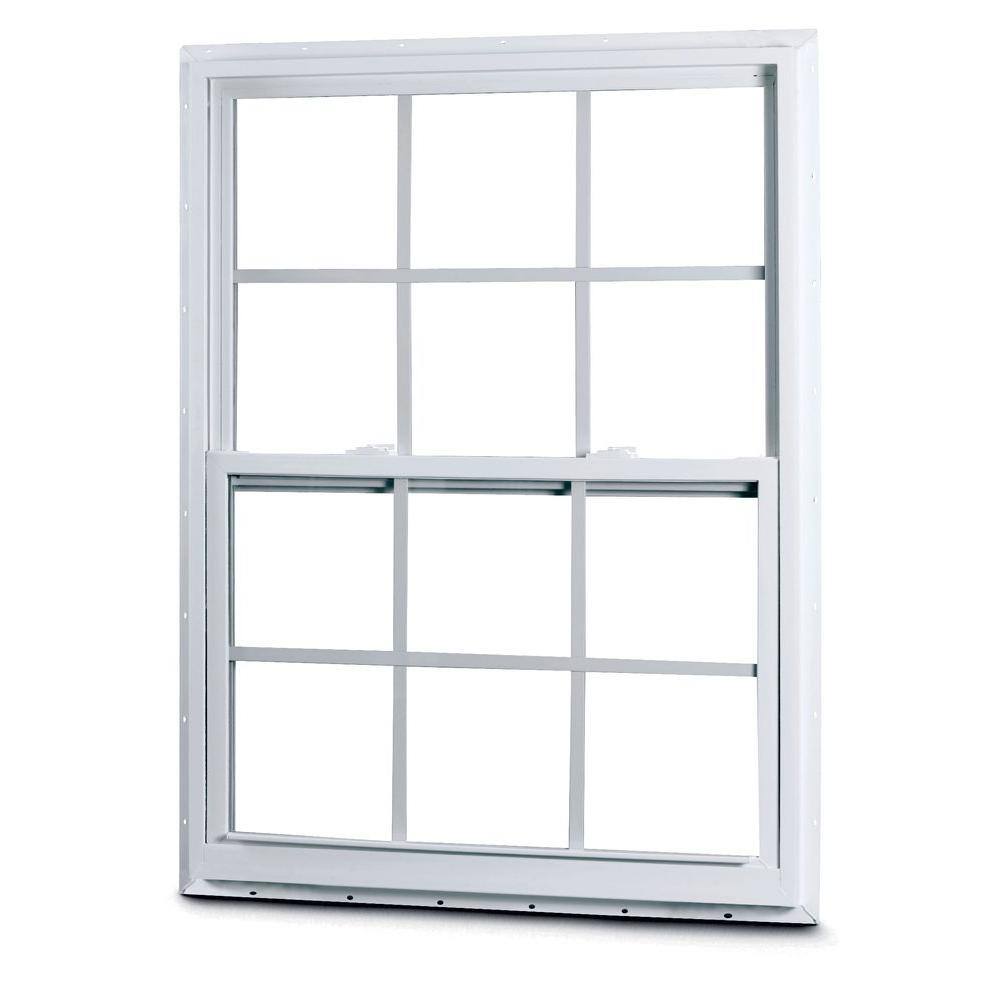
energy efficient aluminum double hung window with insulated glass
Image source: Brennan Corporation product information for NT Window Twinsulator aluminum windows. View source page

Hardware and Balance Systems

Hardware is one of the areas that distinguishes a basic aluminum window from a professionally engineered double hung system. Because the two sashes move vertically, the balance mechanism must support the sash while allowing controlled movement.

The hardware package may include balances, locks, rollers, handles, tilt latches, guides and other components. The exact configuration depends on the window design. Buyers should ask the manufacturer to document the hardware system and confirm that replacement parts can be supplied.

For hotels and apartment buildings, serviceability is particularly important. A window may remain in service for many years, and maintenance teams need access to replacement balances, locks and seals. A supplier that can maintain a spare-parts program can provide substantial long-term value.

Surface Finishing and Architectural Appearance

Aluminum windows can be finished using powder coating, anodizing and other architectural finishing technologies. Powder coating provides a wide color range and can support contemporary architectural designs. Anodized aluminum can provide a more metallic appearance.

For international projects, color consistency should be treated as a formal quality requirement. A physical sample should be approved before mass production. The approved sample can then become the reference standard for factory inspection.

This is particularly important for dark colors. Black and dark gray finishes can reveal scratches, surface contamination and color differences more easily than lighter colors. Proper protective film and packaging can reduce the risk of cosmetic damage during transportation.

Manufacturing Process for Aluminum Double Hung Windows

A typical manufacturing process begins with aluminum profile preparation. Profiles are cut to specified dimensions and then processed for hardware, drainage and assembly. Depending on the system, corners may be mechanically joined, crimped, screwed or assembled using other engineered connections. The objective is to maintain accurate geometry across the complete frame.

Glass is then prepared according to the approved glazing specification. Hardware and balance components are installed according to the product design. The completed sashes are placed into the frame and checked for movement, locking and alignment.

Quality control should take place throughout production rather than only after the final window has been completed. Profile dimensions, surface finish, glass quality, hardware installation and sash operation can all be checked at different stages.

aluminum double hung window profile section and manufacturing design
Image source: SAINTY aluminum hung window product information, including profile cross-section illustrations. View source page

Quality Control Before Shipment

For international buyers, factory quality control is one of the most important stages of the sourcing process. A supplier should have a defined inspection process covering dimensions, appearance, glass, hardware, operation and packaging.

The first inspection should confirm that the manufactured window matches the approved drawing. Dimensional accuracy is particularly important because windows must fit prepared openings. Even a small dimensional discrepancy can create installation problems when hundreds of units are involved.

The second inspection should focus on operation. Both sashes should move smoothly and remain stable. Locks should engage correctly, seals should be properly positioned and drainage openings should remain clear.

The final inspection should also check packaging. Protective film, corner protection, foam, cartons and wooden frames can help prevent damage during international transportation.

How to Source Aluminum Double Hung Windows from China

China remains an important manufacturing base for aluminum architectural products because the supply chain includes aluminum extrusion, surface finishing, glass processing, hardware manufacturing, fabrication and export logistics. This integrated ecosystem can support competitive pricing and custom manufacturing.

However, buyers should not select a factory solely because it has a large catalog. The manufacturer should demonstrate that it can reproduce the specific window configuration required by the project.

A practical sourcing process starts with an RFQ. The buyer provides drawings, dimensions, quantities, glass specifications, finish requirements, destination and target delivery date. Suppliers return technical proposals and commercial quotations. The buyer then compares specifications line by line.

The next stage should be sample approval. Once the sample has passed inspection, the approved configuration becomes the production reference. For major construction projects, third-party inspection can be added before shipment.

Understanding Total Landed Cost

The factory price is only one component of international procurement. Shipping, packaging, insurance, customs duties, destination charges and local transportation can significantly influence the final cost.

Because windows occupy substantial container volume, packaging dimensions and loading efficiency are particularly important. Buyers should ask suppliers how many windows can be loaded into a container and whether different sizes can be safely mixed.

The best procurement decision is therefore based on total landed cost rather than factory unit price. A slightly more expensive window may offer better packaging, fewer breakages, more reliable delivery and lower maintenance costs.

Choosing an Aluminum Double Hung Window Supplier

The right supplier should be evaluated across several dimensions. Product quality is essential, but engineering support, production capacity, documentation, communication, quality control, packaging and after-sales service are also important.

For importers, supplier continuity matters. Once a window series becomes part of a distributor's product catalog, replacing the manufacturer can create new tooling, sampling and inventory problems. A stable long-term relationship can therefore be more valuable than a small difference in initial price.

Buyers should also ask whether the manufacturer can supply replacement hardware. Balances, locks, seals and other small components may be required years after the original shipment.

Aluminum Double Hung Windows for Different Markets

The requirements of the North American market can differ from those of Australia, Europe, Asia or other regions. Buyers should provide the manufacturer with the exact destination market before finalizing the technical design.

North American projects may reference the North American Fenestration Standard and other project-specific requirements. Australian projects may have their own structural, energy and weather-performance requirements. European projects may require different product declarations and performance documentation.

The supplier should never assume that one test certificate applies to every size or configuration. Buyers should confirm that the documentation applies to the exact product series being purchased.

Why Sample Approval Matters

Sample approval provides a physical reference for both buyer and factory. It allows the buyer to evaluate the appearance, finish, glass, hardware, opening force and overall workmanship before committing to mass production.

For large projects, the sample can also be installed at the construction site. This can reveal installation clearance, flashing, sill details and interface problems that cannot be identified from a factory inspection.

After approval, the sample should be stored or documented as a permanent quality reference. Future production can then be compared against the approved model.

Final Procurement Checklist

Before placing a large order, buyers should confirm the following: window type, finished dimensions, frame profile, aluminum specification, surface finish, glazing, hardware, seals, screens, opening configuration, packaging, quantity, delivery schedule and trade terms.

The buyer should also confirm whether drawings, samples, test documents and inspection reports are included. If the project requires a particular standard, the relevant standard should be clearly identified rather than described with general phrases such as “international quality”.

For repeat orders, the buyer should maintain a master product specification. This document becomes the technical reference for future purchasing and helps prevent unapproved changes to materials or components.

Conclusion: Building a Reliable Global Aluminum Window Supply Chain

An aluminum double hung window is a complete engineered system rather than a simple aluminum frame. Its final performance depends on the relationship between profile design, glass, balance hardware, seals, finish and installation. International buyers who understand these relationships can make better sourcing decisions and avoid many common procurement problems.

For importers and distributors, the best approach is to create standardized product specifications and develop a long-term manufacturing relationship. For contractors and developers, the priority should be project-specific engineering, sample approval, quality control and reliable delivery.

The most competitive supplier is not always the supplier offering the lowest factory quotation. A stronger supplier can provide engineering support, consistent manufacturing, export-ready packaging, documentation and after-sales parts. When these factors are included in the purchasing decision, buyers can build a more reliable and scalable international aluminum window supply chain.

Top 10 Global Aluminum Window & Door Suppliers

The following companies are presented as a global procurement research shortlist, not as an official universal ranking. Buyers should evaluate the specific product series, project requirements, certifications, pricing and regional availability before placing an order.

01. Schüco

Germany-based building-envelope systems company known for aluminum windows, doors and facade solutions.

Official Website
02. YKK AP

Japanese architectural products company with extensive window, door and facade systems.

Official Website
03. Reynaers Aluminium

European aluminum systems supplier serving residential, commercial and architectural projects.

Official Website
04. Hydro

Global aluminum company supplying aluminum products and building-system solutions.

Official Website
05. LIXIL

Major Japanese building-products group with extensive residential window and door solutions.

Official Website
06. Andersen

North American window and door manufacturer with a large residential product portfolio.

Official Website
07. JELD-WEN

International windows and doors manufacturer serving residential construction and replacement markets.

Official Website
08. Kawneer

Architectural aluminum systems brand serving commercial windows, doors and facade applications.

Official Website
09. Aluprof

European aluminum systems manufacturer supplying windows, doors and architectural systems.

Official Website
10. Cortizo

Spanish aluminum systems manufacturer serving international architectural markets.

Official Website

Related Aluminum Window & Door Products

Explore related products for residential, commercial and architectural projects.

Aluminum Double Hung Window Procurement Solution

A T-structure purchasing workflow designed for international buyers.

PROJECT REQUIREMENTS

Location · Quantity · Dimensions · Glass · Color · Performance · Delivery

01. Engineering

Review drawings, confirm window dimensions, glazing, profiles, hardware, thermal requirements and local project standards.

02. Manufacturing

Approve sample → approve shop drawings → mass production → process QC → final inspection → export packaging.

03. Delivery

Container loading → export documents → international shipping → destination delivery → site inspection → after-sales support.

Latest Aluminum Window Articles

Read more about aluminum windows, doors, manufacturing, sourcing and architectural products.

aluminum extrusion design

📑 Table of Contents 📄 Key Considerations in Aluminum Extrusion Design └ 📌 Wall Thickness…

sliding window supplier

📑 Table of Contents 📄 5 Key Strategies for Choosing the Right Sliding Window Supplier…

how precise are cnc machines

📑 Table of Contents 📄 Understanding CNC Machining Precision: A Comprehensive Analysis 📄 Defining Precision…

Latest Global Window, Aluminum & Fenestration News

Selected recent industry developments from professional associations and industry publications.

OCTOBER 1, 2026

Commercial Aluminum Fabrication Shows Resilience

Glass Times reported that LSF Commercial was experiencing strong activity despite a broader slowdown in the fenestration market, with school projects proving particularly active.

Read Source →
OCTOBER 6, 2026

Aluminum Systems and Architectural Design

Window News reported on Aluprof UK's 20-year partnership and innovation journey, highlighting the continuing importance of architectural aluminum systems in the European market.

Read Source →
OCTOBER 6, 2026

Steel-Look Aluminum Window Design Goes Digital

Glass Times reported a collaboration bringing a steel-look aluminum range into a digital design and quotation workflow, reflecting the growing role of visualization and digital specification.

Read Source →
JUNE 1, 2026

2026 North American Fenestration Standard Published

FGIA announced publication of the 2026 North American Fenestration Standard, which supersedes the 2022 edition and is relevant to buyers sourcing windows for North American projects.

Read Source →
SEPTEMBER 2026

U.S. Fenestration Market Conditions

FGIA's 2026 market study provides updated information on residential and non-residential windows, doors and skylights, offering useful market context for manufacturers and procurement teams.

Read Source →
OCTOBER 2, 2026

Aluminum Recycling Capacity Expands in Europe

Aluminium International Today reported the opening of a new aluminum scrap processing and sorting facility in Germany, highlighting continuing investment in circular aluminum supply chains.

Read Source →
News sources include FGIA, Glass Times, Window News and Aluminium International Today. Information is presented for industry and procurement reference; readers should verify the latest technical and regulatory information at the original source.

Looking for a Reliable Aluminum Double Hung Window Supplier?

Send your window dimensions, quantity, glass requirements, finish, target market and delivery location to receive a project-specific quotation.

Get a quote