Commercial Fenestration • B2B Manufacturing

Commercial Aluminum Sliding Windows for Modern Building Projects

Commercial aluminum sliding windows combine practical horizontal operation, durable aluminum framing, flexible glazing options and clean architectural lines. This guide helps contractors, developers, distributors, architects and procurement managers evaluate systems, specifications, customization, manufacturing quality and supplier capabilities.

Get a quote
Commercial Window Guide

Commercial Aluminum Sliding Windows: Complete Buyer Guide

Explore six practical areas that matter when specifying commercial aluminum sliding windows, from system design and energy performance to customization, durability, installation and purchasing.

How Commercial Aluminum Sliding Windows Are Designed

Horizontal Sliding Configuration

A commercial aluminum sliding window normally uses one or more horizontally moving sashes that travel along a track. This configuration is useful where outward or inward opening is restricted by corridors, furniture, balconies, walkways, neighboring buildings or operating requirements. For commercial buildings, the sliding arrangement can provide a practical balance between daylight, ventilation and space efficiency. Procurement teams should evaluate the complete system rather than selecting a frame only by appearance. The sash, rollers, locks, seals, drainage paths, glazing pocket and frame connection all influence the finished window. A well-designed system should also provide predictable sash movement over repeated operation. For offices, apartment projects, hospitality buildings, schools and retail spaces, the window should be selected according to opening size, wind exposure, glass weight, ventilation requirements and expected operating frequency. These factors should be confirmed before production drawings are approved.

Frame and Sash Engineering

Aluminum profiles form the structural foundation of a commercial sliding window. Profile geometry needs to balance strength, weight, appearance and manufacturing efficiency. Larger commercial openings can require deeper sections, reinforced areas or carefully engineered mullion arrangements. The sash must also support the selected glazing while maintaining reliable movement along the rollers. During procurement, buyers should request technical drawings showing frame depth, sash dimensions, glazing accommodation, drainage arrangements and hardware positions. This information makes it easier to compare quotations from different manufacturers because two windows with similar external dimensions may use very different internal constructions. Extrusion tolerances, machining accuracy and assembly quality can affect the final fit. A professional manufacturer should be able to convert architectural requirements into production drawings before mass manufacturing begins. This reduces the risk of mismatched openings, difficult installation and inconsistent appearance across a large project.

Commercial Opening Planning

Window selection should begin with the building opening rather than the catalog photograph. Buyers should establish rough opening dimensions, sill conditions, surrounding wall construction, drainage requirements and installation tolerances. Commercial aluminum sliding windows can be configured for different project sizes, but the final design needs to consider structural loads and glass weight. Large openings may require additional reinforcement or different profile configurations. The design team should also consider where the operating sash will travel and how users will access locks, handles and cleaning areas. For multi-story buildings, external cleaning and maintenance can become significant design considerations. Procurement managers should therefore collect architectural drawings and project location information before requesting a final quotation. A manufacturer can then assess the application more accurately and recommend suitable frame sections, glazing packages, drainage solutions and hardware. This approach creates a more reliable specification and reduces unexpected changes during production.

Appearance and Architectural Integration

Modern commercial projects increasingly use aluminum windows because aluminum can provide narrow, clean-looking frames while supporting a broad range of finishes. Sliding windows can be coordinated with curtain walls, storefronts, doors and other aluminum systems so the building maintains a consistent visual language. Popular finishes include anodized effects, powder coating and project- specified colors. Buyers should confirm color references, surface requirements and finish standards before production. If a project has thousands of windows, consistency becomes particularly important. Samples should be approved before the production batch begins. The relationship between frame color, glass color, wall materials and exterior lighting can significantly affect the final appearance. For commercial developments, a standardized window system can simplify procurement while allowing several opening sizes and configurations. A good supplier should therefore provide both technical customization and visual consistency rather than treating each window as an isolated product.

Energy Performance and Thermal Design

Thermal Break Options

Thermal performance is an important consideration for commercial aluminum sliding windows because aluminum conducts heat efficiently. A thermally improved system can separate the interior and exterior aluminum sections with a lower-conductivity insulating component. The objective is to reduce direct heat transfer through the frame and improve the overall window assembly. Whether a thermal-break system is required depends on the climate, building code, project energy target, glazing specification and local design conditions. Procurement managers should not compare thermal performance using the frame alone. Glass, spacers, seals, frame geometry and installation all contribute to the completed assembly. When requesting quotations, buyers should clearly state the expected thermal requirements and project location. This allows the manufacturer to recommend a suitable system instead of providing a generic product. For energy-conscious office buildings, residential towers and hospitality developments, thermal design can also influence occupant comfort near windows and the building's heating or cooling load.

Glazing and Solar Control

Glass selection can have a major influence on commercial sliding window performance. Depending on the application, buyers may specify single glazing, insulated double glazing, laminated glass, Low-E coatings, tinted glass or other performance-oriented combinations. The correct option depends on climate, orientation, acoustic expectations, solar exposure, safety requirements and local codes. A south- or west-facing facade may have different solar-control requirements from a shaded facade. Procurement teams should therefore provide project information instead of asking only for the lowest unit price. The manufacturer can then recommend an appropriate glazing pocket and compatible sash design. Glass thickness and total glass weight also affect rollers and hardware. For large commercial projects, the glazing package should be confirmed before production because changing glass thickness after extrusion and hardware selection can create compatibility problems. A coordinated glass and frame specification makes the final system easier to manufacture, install and maintain.

Air, Water and Wind Considerations

Commercial windows are exposed to changing weather conditions, and sliding systems need carefully designed seals, drainage paths and frame joints. Air infiltration, water penetration and structural performance are influenced by the complete assembly and installation. A project in a coastal, typhoon-prone or high-wind environment may require a different system from a low-rise building in a sheltered location. Procurement managers should communicate the building height, exposure, opening dimensions and local performance requirements. Drainage is especially important for sliding windows because tracks can collect water and debris. Properly designed weep paths help direct water away from the building interior. Buyers should ask for technical documentation and, when required, project-specific testing. The goal is not simply to purchase an aluminum frame, but to obtain a complete fenestration solution suitable for the building's environmental conditions and expected service life.

Building Energy Goals

Commercial projects increasingly evaluate windows as part of the overall building envelope. A window specification may affect heating and cooling demand, interior comfort, condensation risk and facade performance. Procurement teams can support better outcomes by coordinating the window supplier with architects, facade engineers, glass suppliers and installation contractors. Instead of selecting products based only on appearance or initial cost, compare the complete specification, including frame design, glazing, seals, thermal treatment and installation method. A reliable supplier should explain which performance characteristics are system-dependent and which require project testing. This is especially important when comparing imported systems with locally available alternatives. A technically suitable commercial aluminum sliding window can provide a practical combination of daylight, ventilation and facade performance when the system is correctly engineered and installed. The most useful quotation is therefore one that clearly defines the product rather than presenting only a single price per square meter.

Glass, Rollers, Locks and Hardware Selection

Sliding Rollers

Rollers are one of the most important components in a sliding window because they transfer sash weight to the track and determine how smoothly the window operates. Commercial applications can involve larger and heavier glass panels than residential applications, so roller selection should be based on the actual sash weight and expected operating frequency. Buyers should ask manufacturers to identify the roller material, load capacity, adjustment method and replacement availability. Adjustable rollers can make installation and future alignment easier. A quality track should also work together with the roller rather than treating these components independently. If a project has hundreds or thousands of windows, consistent hardware supply is important because replacement parts may be needed years after completion. Procurement teams should therefore include hardware specifications in the approved product schedule rather than accepting unspecified components.

Locks and Handles

Hardware should support both security and everyday usability. Commercial aluminum sliding windows can use different lock and handle configurations depending on project requirements. The lock position, handle height and operating force should be considered alongside accessibility and cleaning needs. For multi-unit buildings, standardizing hardware across window types can simplify maintenance. For offices and commercial properties, hardware appearance may also be coordinated with door handles, partitions and other architectural elements. Procurement managers should confirm finish, locking method and replacement availability before placing a production order. Hardware should fit the chosen profile system and glazing configuration. A supplier that provides engineering drawings and hardware schedules can help prevent compatibility problems during assembly. Buyers should also consider whether spare rollers, locks and handles should be supplied with the project. This is particularly useful for overseas projects where replacing a small component can otherwise create unnecessary downtime.

Safety and Glass Specification

Commercial buildings often require additional attention to glass safety because windows can be located near occupied areas, circulation routes or public spaces. Depending on the application and jurisdiction, laminated or tempered glass may be appropriate. The correct choice depends on building codes, human impact risk, location, glass size and structural requirements. A procurement specification should therefore identify glass type, thickness, coating, spacer, gas fill where applicable and safety requirements. Buyers should not assume that every commercial sliding window uses the same glazing package. A manufacturer should confirm the maximum compatible glass thickness and weight for the selected sash. When a project involves special glass, approval should occur before frame production. This coordinated approach reduces redesign risk and allows the manufacturer to select compatible rollers, seals and glazing beads.

Seals and Weather Control

Seals are small components with a large influence on window performance. Sliding windows require weather seals that allow movement while limiting unwanted air and water paths. The seal material, geometry and compression need to work with the sash and frame. During procurement, buyers should ask what sealing system is used and whether replacement gaskets are available. For projects in demanding climates, the seal specification should be included in technical documentation. Proper drainage is equally important because no sealing system should be expected to prevent every drop of water from entering the outer track. The system should manage water through drainage channels and weep holes. A complete commercial window specification therefore includes frame, sash, glass, rollers, locks, seals and drainage rather than treating these items as separate purchasing decisions.

Durability, Finishes and Long-Term Maintenance

Aluminum Alloy Selection

Aluminum is widely used for commercial window systems because it combines relatively low weight with useful structural strength and corrosion resistance. The specific alloy and temper should be selected according to extrusion requirements, profile geometry and project performance. Procurement teams should ask suppliers to identify the material specification rather than accepting a generic statement such as “high-quality aluminum.” This creates a clearer basis for supplier comparison. Profile thickness should also be considered in relation to structural requirements instead of comparing wall thickness alone. A well-designed extrusion can distribute material efficiently and provide reinforcement where needed. For large commercial developments, material traceability and consistent extrusion quality can help maintain dimensional consistency across production batches. Buyers should review drawings, samples and inspection procedures before approving mass production.

Powder Coating and Anodizing

Exterior finish affects both appearance and long-term surface protection. Powder coating offers a wide range of architectural colors and can be specified according to recognized color systems. Anodized finishes create a different visual effect and may be selected for projects seeking a metallic appearance. The correct finish depends on environmental exposure, design intent and project specification. Coastal locations can require greater attention to pretreatment and finish quality because salt exposure can accelerate corrosion of unsuitable systems. Buyers should request finish samples and clarify the required surface standard before production. Large orders should include approved color references and sample panels when visual consistency is critical. The supplier should also explain whether the proposed finish is appropriate for interior, exterior or high-exposure applications.

Cleaning and Maintenance

Sliding windows should be designed with practical maintenance in mind. Tracks can collect dust, leaves and construction debris, while rollers and locks may eventually require adjustment or replacement. Commercial buildings often have maintenance teams that prefer standardized hardware and accessible components. Procurement managers can improve lifecycle performance by requesting maintenance instructions, spare hardware and cleaning recommendations as part of the supply package. The window design should also allow the operating sash to be serviced safely. In multi-story applications, access and cleaning methods should be considered early. A window that looks attractive but is difficult to maintain can create higher long-term operating costs. Suppliers should therefore be evaluated not only on factory price but also on documentation, replacement parts and technical support.

Quality Consistency

Durability depends on manufacturing consistency as much as on material selection. Commercial projects can involve hundreds of identical window units, and even small dimensional differences can create installation problems when repeated across an entire building. Quality control should cover extrusion, cutting, machining, assembly, glazing, hardware installation, surface finish and final inspection. Procurement managers should request a clear inspection procedure and define acceptance criteria before production. Pre-shipment inspection can verify dimensions, appearance, operation, glass configuration, hardware and packaging. For international shipments, packaging quality is particularly important because windows may experience multiple handling stages before reaching the job site. A strong quality program reduces claims, installation delays and replacement costs.

Customization for Commercial Building Projects

Custom Sizes and Configurations

Commercial projects rarely use a single standard window size across every elevation. Architects may specify different widths, heights, fixed-light combinations and ventilation configurations. A capable aluminum window manufacturer should be able to convert these requirements into a coherent system rather than producing every size as a completely separate product. Buyers should provide a window schedule, elevation drawings or opening list when requesting a quotation. The supplier can then evaluate profile compatibility, glass size, sash weight, hardware and production requirements. Customization should be agreed before tooling and mass production. If the project includes hundreds of unique openings, a structured coding system can also reduce ordering errors. Each window type can have a defined reference covering size, glass, color, hardware and configuration. This makes factory production and site installation easier to coordinate.

Color and Architectural Finishes

Commercial aluminum sliding windows can be customized to coordinate with a building's architectural identity. Common options include white, black, gray, bronze, silver, metallic and project-specific powder-coated colors. For larger developments, the buyer should approve physical samples before mass production. Screen colors, glass appearance, handles and surrounding facade materials should also be considered because the perceived color of a window changes under different lighting conditions. Consistency across batches is particularly important for projects where windows are visible across large elevations. A professional supplier should record the approved finish and maintain it as part of the production specification. Buyers should avoid approving a color only from a small digital image when visual consistency is critical. Physical samples provide a more reliable reference for production and inspection.

Project Drawings and Shop Drawings

Shop drawings are an important bridge between architectural design and factory production. They can show frame sections, opening directions, dimensions, glass specifications, drainage, hardware and installation details. Before mass production, procurement managers should ensure that the approved drawing matches the latest architectural revision. Changes made after extrusion, cutting or glazing can increase project cost and lead time. A clear approval process is therefore valuable. The supplier should identify any technical conflict and propose a solution before production. For international projects, drawings also reduce communication problems caused by different terminology or measurement conventions. A well-managed drawing package allows the buyer, architect, contractor and manufacturer to work from the same product definition.

OEM and Private Label Supply

Distributors and building-material companies may require OEM or private-label commercial sliding windows. This can involve customized packaging, labels, hardware combinations, color specifications and documentation. Buyers should define ownership of drawings, tooling and branding requirements before production. The supplier should also confirm minimum order quantities and repeat-order procedures. For distributors, repeatability is especially important because future orders should match previous shipments as closely as possible. A manufacturing partner with stable extrusion, finishing, assembly and quality-control processes can support long-term product programs. Procurement teams should evaluate not only the first order but also the supplier's ability to maintain specifications over multiple production cycles. This creates a stronger basis for long-term commercial cooperation.

How to Purchase Commercial Aluminum Sliding Windows

Start With a Complete RFQ

A strong request for quotation should include dimensions, quantities, window types, glazing, finish, hardware, project location and expected delivery schedule. If drawings are available, attach the latest revision. Procurement managers should also explain whether the project requires samples, testing, certificates, installation accessories or special packaging. The more complete the RFQ, the easier it is for manufacturers to produce comparable quotations. A basic request such as “please quote aluminum sliding windows” can lead to different suppliers quoting different systems, making price comparison unreliable. A structured RFQ turns a product inquiry into a technical purchasing process. It also gives the supplier an opportunity to identify problems before production. This can save time and prevent later changes.

Compare Total Value Instead of Unit Price

The lowest quoted price does not always represent the lowest project cost. Procurement teams should compare aluminum grade, profile construction, glass, rollers, locks, finish, packaging, warranty, documentation and lead time. A cheaper system may require additional site modifications or replacement parts. International freight and import costs should also be considered. Buyers can request a line-by-line quotation that separates windows, glass, hardware, accessories, packaging and shipping. This creates greater transparency. For repeat projects, it is also useful to compare supplier capacity, quality systems and technical communication. The best commercial aluminum sliding window supplier is usually the one that provides predictable quality and delivery at an appropriate total landed cost, not simply the lowest factory price.

Approve Samples Before Mass Production

A physical sample is one of the most effective ways to reduce procurement risk. Buyers can inspect frame appearance, corner assembly, roller movement, handle operation, glass appearance, seals and finish. For large projects, a sample can also be used to confirm the relationship between the window and surrounding facade materials. Any required changes should be documented and incorporated into the final production drawings. Once the sample is approved, the supplier should manufacture according to the approved specification. This creates a clear quality reference for both parties. Buyers should avoid making major design changes after mass production begins because the cost and schedule impact can be significant.

Control Production and Shipment

International buyers can reduce risk by maintaining communication throughout production. Key checkpoints can include material preparation, extrusion, finishing, assembly, glazing, final inspection and packing. Photographs, inspection reports and sample checks can provide useful evidence before shipment. Packaging should protect glass and aluminum surfaces during transport and allow efficient unloading at the job site. Labels should correspond with window schedules so installers can quickly identify each unit. For large commercial projects, shipment planning can also be synchronized with the construction program. A reliable supplier should communicate production status, expected completion and shipping information clearly. This makes the purchasing process more predictable from initial quotation to final delivery.

Specification

Commercial Aluminum Sliding Window Specification Checklist

Use this table as a starting point when comparing manufacturers and preparing an international RFQ. Final specifications should always be confirmed against the project drawings and applicable local requirements.

Specification Typical Commercial Consideration Buyer Should Confirm
Window Type Horizontal sliding aluminum window Opening configuration and fixed/sash arrangement
Frame Extruded aluminum profile system Profile series, dimensions and structural design
Thermal Design Standard or thermally improved system Climate and project energy requirements
Glass Single, insulated, laminated, tempered or coated options Thickness, coating, safety and performance
Hardware Rollers, locks, handles and accessories Load capacity, finish, compatibility and spares
Sealing Weather seals and drainage system Air/water performance and replacement availability
Finish Powder coating or anodized appearance Color reference, surface quality and exposure
Customization Custom dimensions and project configurations Shop drawings, sample and approval procedure
Quality Control Dimensional, visual and operational inspection Inspection standard and acceptance criteria
Packaging Protective packaging for international transportation Glass protection, labels and unloading method
Buyer Questions

Commercial Aluminum Sliding Windows FAQ

Answers to common technical and purchasing questions from developers, contractors, distributors, architects and international procurement teams.

What are commercial aluminum sliding windows and where are they used?

Commercial aluminum sliding windows are horizontally operating window systems designed for buildings where practical ventilation, daylight and space-efficient operation are important. Instead of opening outward like a casement window, one or more sashes move horizontally along a track. This makes the configuration useful in offices, apartment buildings, hotels, retail properties, schools, mixed-use developments and other commercial environments. The aluminum frame provides a durable structural platform and can be customized with different glazing, finishes, hardware and profile configurations.

For procurement purposes, it is important to distinguish a complete commercial window system from a simple aluminum frame. The final product includes the frame, sash, rollers, locks, handles, seals, glazing and drainage details. These components work together to determine operation and performance. A buyer should therefore request a complete technical specification instead of comparing frame price alone. Opening dimensions, glass weight, building height, exposure, climate and installation conditions can all influence the recommended system.

Sliding windows are especially useful where a projecting sash would interfere with pedestrian movement, furniture or adjacent structures. They can also provide a clean facade appearance because the operating panels remain within the plane of the window. For large commercial developments, standardizing several window types around one compatible profile system can simplify manufacturing, installation and future maintenance. Before ordering, buyers should provide drawings, quantities, glazing requirements, color, hardware preferences and project location. A professional manufacturer can then prepare shop drawings and recommend a configuration suitable for the project rather than supplying a generic catalog product.

How should buyers compare commercial aluminum sliding window suppliers?

Buyers should compare commercial aluminum sliding window suppliers using a combination of technical capability, manufacturing consistency, quality control, customization, communication, delivery and total cost. Factory price is important, but it should not be the only purchasing criterion. Two suppliers may quote similar-looking windows while using different aluminum profiles, glazing systems, rollers, seals and finishing processes. These differences can affect performance, durability, installation and maintenance.

Start by asking each supplier for technical drawings and a complete specification. Confirm the aluminum profile, frame depth, sash design, glass compatibility, hardware, seals, drainage and finish. If the project has specific performance requirements, communicate them before quotation. Ask whether the manufacturer can produce custom sizes and whether engineering drawings are included in the quotation. Buyers should also confirm minimum order quantities, sample procedures, lead time, packaging and warranty terms.

Manufacturing quality is equally important. A supplier capable of extrusion, machining, finishing, assembly and quality inspection can often provide better control over the finished product. Buyers can request factory information, production photographs, inspection records and sample products. For large projects, a pre-production sample and pre-shipment inspection can significantly reduce risk. International buyers should also evaluate communication speed and technical accuracy. A supplier that responds clearly to drawings, dimensions and revisions can prevent costly misunderstandings. The best supplier is usually the one that provides a predictable product and process from RFQ to delivery, rather than simply the lowest initial quotation.

Can commercial aluminum sliding windows be customized for large projects?

Yes. Commercial aluminum sliding windows can be customized for project-specific dimensions, glazing, finishes, hardware, operating configurations and installation conditions. Large commercial developments frequently contain multiple window sizes and elevations, so manufacturers need a structured engineering process to manage these variations. A buyer should normally provide architectural drawings, window schedules or opening lists so the supplier can determine suitable profile and sash configurations.

Customization may include frame and sash dimensions, fixed-light combinations, glass thickness, Low-E or tinted glazing, safety glass, powder-coated colors, anodized finishes, handle types, roller systems, locks and accessories. Some projects may also require special drainage, reinforcement or installation interfaces. These requirements should be agreed before production because changing a profile, glass specification or hardware arrangement after manufacturing starts can create additional cost and delay.

A professional procurement process normally uses approved shop drawings and a physical sample before mass production. The sample allows the buyer and project team to confirm appearance, operation, glass, hardware, seals and finish. Once approved, the sample becomes a quality reference for production. For large projects, a window coding system can also identify each unit according to size, glass, finish and configuration. This makes factory production, packaging and site installation more efficient. When working with an overseas manufacturer, buyers should also clarify tooling ownership, minimum order quantities, repeat-order procedures and technical document formats. Proper customization is not simply making a window larger or smaller; it is engineering a repeatable system that can be manufactured and installed consistently.

What glass should be specified for commercial sliding windows?

The correct glass depends on the building location, climate, orientation, safety requirements, acoustic expectations, energy goals and local regulations. Commercial aluminum sliding windows can be supplied with different glazing configurations, including single glazing, insulated double glazing, tempered glass, laminated glass, Low-E coated glass and tinted options. There is no single glass package that is appropriate for every commercial project.

Thermal performance is one consideration. Insulated glazing and suitable coatings can help reduce heat transfer through the glazing area, while solar-control options can influence solar heat gain. Safety is another consideration. Depending on location and applicable codes, tempered or laminated glass may be required or preferred in areas exposed to human impact. Acoustic requirements may influence thickness, laminated construction or insulated glass configuration.

Procurement managers should also consider the physical relationship between the glass and the window system. Glass thickness and total weight affect the sash, rollers, glazing beads and hardware. A change in glass specification should therefore be communicated to the window manufacturer before production. Buyers should request the maximum compatible glazing thickness and sash weight for the selected system. For international projects, it is useful to provide the project's applicable standards or performance requirements in the RFQ. The manufacturer can then confirm whether the proposed window configuration can accommodate the specified glass. The most reliable procurement process treats glass and aluminum framing as one engineered assembly rather than two independent purchases.

Are aluminum sliding windows suitable for high-rise commercial buildings?

Aluminum sliding windows can be used in many multi-story and high-rise applications, but suitability depends on the specific system design, opening size, wind exposure, structural requirements, glazing and applicable building codes. A high-rise project should never select a window solely because the product is described as “commercial.” The manufacturer and project engineer need to evaluate the actual building conditions.

Building height can influence wind pressure and therefore the structural design of the frame, sash, glass and connections. Exposure to storms, coastal conditions or unusual facade geometry can further affect requirements. Larger openings may also increase sash weight and require stronger rollers or reinforced profiles. The installation interface between the window and the surrounding wall or facade must also be considered.

Buyers should provide project location, building height, opening dimensions, drawings and required performance criteria when requesting a quotation for a high-rise application. The supplier can then recommend a suitable profile configuration and glazing package. Where required, testing or engineering calculations should be completed before mass production. Installation quality is equally important. Even a well-designed window can perform poorly if it is incorrectly anchored, sealed or drained. High-rise procurement should therefore involve coordination among the architect, facade engineer, contractor and window manufacturer. The objective is a complete tested and correctly installed facade component rather than simply a stronger aluminum profile.

What finishes are available for commercial aluminum sliding windows?

Commercial aluminum sliding windows can commonly be supplied with powder-coated or anodized finishes, with color and surface options selected according to the architectural design and environmental exposure. Powder coating allows a wide range of colors and can support modern black, white, gray, bronze and project-specific finishes. Anodizing can create a metallic appearance and is often selected where the natural character of aluminum is part of the architectural concept.

Finish selection should consider the building's environment. Coastal projects can experience salt and moisture exposure, while industrial environments may introduce additional contaminants. The pretreatment, coating process and applicable finish specification should therefore be confirmed with the manufacturer. Buyers should not approve a finish using only a computer screen because digital color representation can differ from physical samples.

For large commercial projects, a physical sample or approved finish panel is recommended. The supplier should record the approved color reference and surface requirement in the production specification. Buyers should also consider consistency between window frames, doors, curtain walls and other aluminum components. If products come from different suppliers, the same nominal color may still look different because of differences in substrate, coating process and gloss level. A coordinated finish schedule can reduce this risk. During inspection, buyers can check color, gloss, scratches, dents, surface uniformity and visible coating defects. Good finishing is not only about appearance; it also contributes to the long-term protection and perceived quality of the window.

What information should be included in an RFQ for commercial aluminum sliding windows?

A detailed RFQ should provide enough information for manufacturers to quote the same product definition. At minimum, buyers should include window type, quantity, dimensions, opening configuration, glass specification, aluminum finish, hardware requirements, project location and expected delivery schedule. Architectural drawings or a window schedule should be attached whenever available. If the project has specific performance or code requirements, these should also be identified.

Buyers should state whether they require thermal-break profiles, insulated glass, laminated or tempered glass, specific Low-E performance, special colors, insect screens, safety locks or other accessories. It is also useful to define whether the quotation should include packaging, export documentation, installation accessories or delivery to a particular port. For projects with many window sizes, provide a detailed schedule rather than one approximate total quantity.

The RFQ should also explain the approval process. For example, the buyer may require shop drawings, physical samples, finish samples and pre-shipment inspection. If certification or test reports are required, mention them before quotation so the supplier can include the relevant cost and schedule. International buyers should request a line-by-line quotation showing the window, glass, hardware, accessories, packaging and shipping separately where practical. This makes supplier comparison much easier. A well-written RFQ saves time for both buyer and manufacturer because technical questions are resolved early. It also reduces the risk of receiving several quotations that appear comparable but actually describe different products.

How can buyers reduce the total cost of commercial aluminum sliding windows?

Reducing total cost does not necessarily mean selecting the lowest-priced window. A better approach is to optimize the complete product specification, manufacturing process, packaging, shipping and installation. Buyers can begin by standardizing window types wherever the architectural design allows. Fewer profile configurations can improve production efficiency and reduce the number of spare parts required later.

Glass should also be specified carefully. Over-specifying glass can increase cost and weight, while under-specifying it can create performance or compliance problems. The correct balance should be based on the building's actual requirements. Hardware can be standardized across compatible window types, simplifying procurement and maintenance. Finish choices can also be consolidated where practical.

Packaging and logistics deserve attention because commercial windows are bulky. Efficient packing can reduce damage and improve container utilization, but packaging should never sacrifice protection. Buyers can also coordinate shipment schedules with construction progress to avoid unnecessary storage costs. Quality control before shipment is another cost-saving measure because discovering a defect after the products arrive on site can involve freight, labor and schedule delays. Finally, a supplier's ability to provide accurate drawings and consistent repeat production can have a major economic impact. For international projects, the lowest total cost often comes from reducing errors, rework, damage and installation delays rather than simply negotiating a lower unit price.

commercial aluminum sliding windows for office and high-rise building projects
Materials & Manufacturing

Materials & Manufacturing Process

Rotate through the manufacturing stages to understand how a commercial aluminum sliding window moves from raw material and engineering to finished product.

01. Aluminum Material

Aluminum profiles begin with controlled alloy material selected for the intended extrusion, structural requirements and commercial application.

02. Profile Extrusion

Aluminum billets are transformed into engineered profile sections. Dimensional consistency is important for reliable assembly and repeat production.

03. Surface Finishing

Profiles can receive powder coating or anodized finishes according to the approved architectural color, surface and environmental specification.

04. Precision Fabrication

Profiles are cut, machined and prepared for frame and sash assembly. Accurate processing supports dimensional consistency across project batches.

05. Assembly & Glazing

Frames, sashes, rollers, locks, seals and glazing are assembled according to the approved production drawings and product specification.

06. Inspection & Packing

Finished units are checked for dimensions, appearance, operation and accessories before protective packaging and shipment preparation.

3D manufacturing process — automatically rotating
Project Solutions

Commercial Aluminum Sliding Window Solutions

Different buildings require different window strategies. Browse common B2B application solutions.

B2B Procurement Resource

Commercial Aluminum Sliding Windows: A Complete Guide for Global Buyers

Commercial aluminum sliding windows are an important part of modern building envelopes because they combine practical operation, daylight access, ventilation and architectural flexibility. For developers, contractors, architects, distributors and procurement managers, purchasing these windows is not simply a matter of finding an attractive product at the lowest factory price. The complete purchasing decision involves profile design, glass, hardware, finish, structural requirements, weather performance, manufacturing quality, packaging, logistics and installation. A professional procurement process starts by defining the project rather than starting with a catalog.

The horizontal sliding configuration is particularly useful when a projecting sash would interfere with circulation areas or external spaces. Because the operating panel travels within the frame, it can be appropriate for offices, apartments, hotels, schools, retail buildings and mixed-use developments. Commercial aluminum sliding windows can also be produced in a wide range of sizes and finishes, making them suitable for both functional and architectural applications. However, the system needs to be selected according to the building's actual conditions.

Understanding the Commercial Sliding Window System

Frame, sash and track design

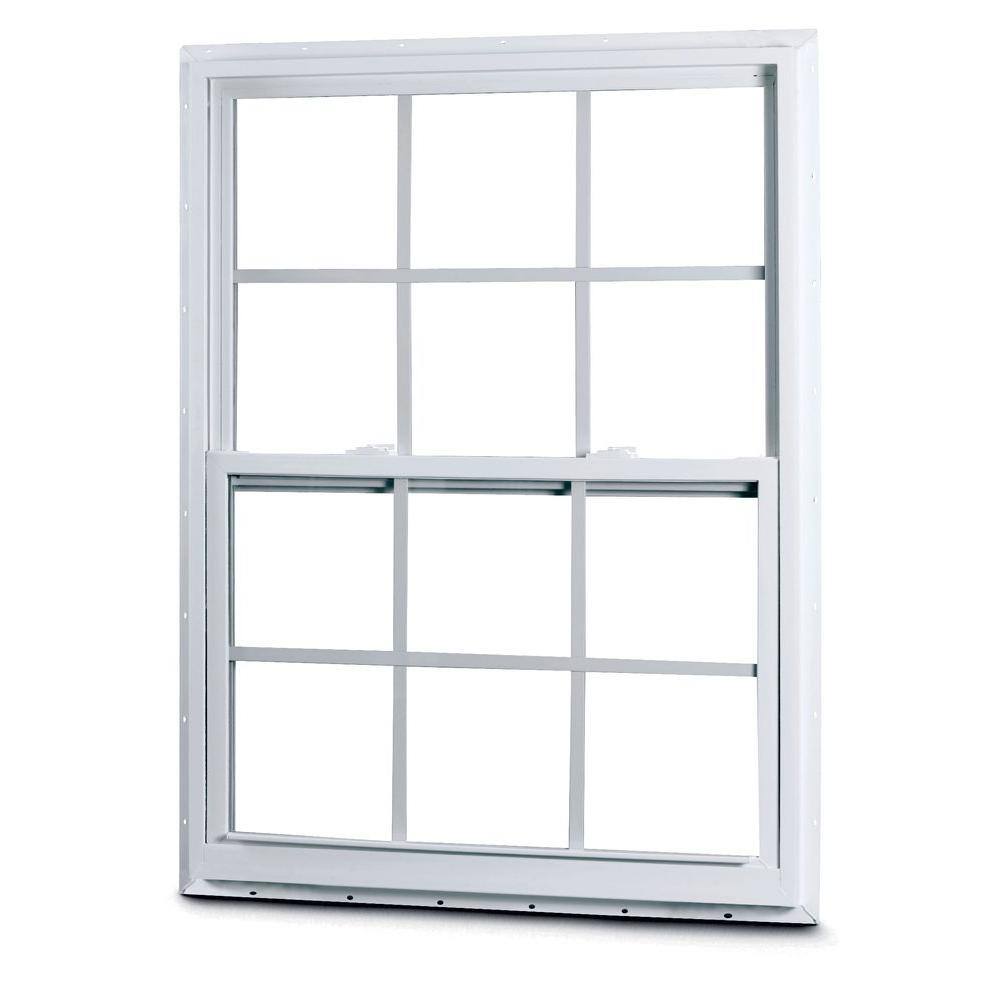
The frame provides the main perimeter structure, while the sash carries the glazing and moves along the operating track. The track and roller assembly is central to the user experience because it determines how easily the sash can be opened and closed. A commercial application may involve larger glass areas and more frequent operation than a small residential window, so the hardware should be selected according to actual sash weight and usage.

A buyer should request a cross-sectional drawing rather than relying on a product photograph. A drawing can reveal frame depth, sash construction, glass pocket, drainage paths, sealing positions and hardware locations. It also makes supplier comparison more accurate. Two products that look almost identical from the exterior may have very different internal construction.

Why aluminum is widely used

Aluminum provides a useful combination of strength, relatively low weight, corrosion resistance and manufacturing flexibility. Extrusion technology allows manufacturers to create profile geometries designed for specific functions. Reinforcement can be incorporated where needed, while separate chambers or thermal treatment can be used to address energy-performance requirements. Aluminum also accepts architectural finishes such as powder coating and anodizing.

For commercial buyers, material consistency matters. Large projects can contain hundreds or thousands of units, so variations in profile dimensions can create installation difficulties. A supplier should have processes for controlling extrusion, machining, assembly and inspection. Material specifications should be clearly stated in the purchasing documents so that future orders can follow the same product definition.

Choosing Glass for Commercial Applications

Glass is often the largest visible area of a window and can strongly influence thermal performance, daylight, solar control and acoustic behavior. The correct specification depends on the building's location, facade orientation, local requirements and project objectives. Common options include single glass, insulated double glazing, laminated glass, tempered glass, Low-E coated glass and tinted glass.

Insulated glazing

Insulated glass units can reduce heat transfer through the glazing area by creating a sealed space between glass panes. Depending on the configuration, this space may contain air or an insulating gas. The complete performance depends on glass coatings, spacer design, cavity width, frame construction and installation. Procurement managers should therefore avoid judging thermal performance from glass alone.

Safety glass

Commercial buildings can have glazing near public areas, doors, circulation routes and other locations where impact safety is important. Depending on the jurisdiction and building application, tempered or laminated glass may be required. The project specification should define the applicable safety requirements before production. The selected glass must also fit the window's glazing pocket and weight limits.

Solar control

Solar exposure can vary significantly across a building. A facade facing strong afternoon sunlight may need different glass characteristics from a shaded facade. Solar-control coatings and tinted glass can influence heat gain and visual comfort. The final selection should be coordinated with the building's energy and facade strategy rather than chosen solely for appearance.

Hardware Is a Major Part of Window Performance

Hardware is sometimes overlooked during the purchasing process because it represents a relatively small part of the visible window. However, rollers, locks, handles and seals directly influence daily operation and maintenance. For a commercial project, a failed roller can make an otherwise functional window difficult to operate. Procurement teams should therefore specify hardware as carefully as the aluminum profile.

Rollers should be matched to sash weight. Adjustable rollers can assist with alignment during installation and maintenance. The track should be designed to work with the selected roller. Locks and handles should provide appropriate security and usability while matching the project's architectural finish. For large developments, standardized hardware can reduce spare-parts complexity.

Seals also deserve attention. Sliding windows require seals that allow the sash to move while helping control air and water movement. Drainage is equally important. The outer track should have a controlled route for water to leave the system. Buyers should ask manufacturers to explain the sealing and drainage strategy in technical drawings.
Thermal Performance and Building Comfort

Aluminum is a highly conductive material, so thermal design deserves attention when a commercial project has demanding energy requirements. Thermally improved aluminum systems use insulating components to reduce direct heat transfer between interior and exterior portions of the frame. Whether such a system is necessary depends on the building location, energy target, local requirements and selected glazing.

Buyers should request system-level information rather than relying on a single frame specification. The complete window includes aluminum, thermal components, glass, seals, spacers and installation interfaces. Thermal performance can also be affected by the surrounding wall and installation method. A window should therefore be considered as part of the building envelope.

In commercial offices and hospitality projects, occupant comfort near the facade can be an important consideration. Properly coordinated glass and frame design can help create a more comfortable interior while supporting energy objectives. Procurement managers should communicate these objectives clearly when asking suppliers for quotations.

Finishes and Architectural Appearance

Commercial aluminum sliding windows are often visible across large areas of a building facade, so surface finish can strongly influence the project's visual identity. Powder coating provides a broad range of colors, while anodized finishes can emphasize the metallic character of aluminum. Black, white, gray, bronze and silver are common architectural choices, but project-specific colors can also be developed.

Buyers should approve physical samples when appearance is important. Digital images cannot perfectly reproduce surface texture, gloss and color under different lighting. A physical sample gives architects, developers and contractors a common reference. The approved finish should then be recorded in the production documentation.

Environmental exposure should also be considered. Coastal locations can expose aluminum finishes to salt and moisture. The pretreatment and finishing process should be appropriate for the expected environment. Buyers should ask the manufacturer which finish specification is recommended for the project location.

Engineering and Customization for Large Projects

Large commercial developments often require multiple window sizes and configurations. The most efficient approach is usually to create a family of compatible window types rather than treating every opening as a completely independent product. This allows the manufacturer to standardize profiles, hardware and assembly procedures while still accommodating different dimensions.

Shop drawings are essential to this process. They can define dimensions, opening direction, glass, hardware, drainage and installation interfaces. Before mass production, the buyer should confirm that the latest architectural revision is being used. A controlled drawing approval process prevents old dimensions from entering production.

Window schedules

A detailed window schedule can identify each type with a reference code. For example, a code may correspond to a specific width, height, glass package, finish and hardware configuration. This helps the factory produce the correct unit and allows packaging labels to correspond with the installation schedule.

OEM programs

Distributors and building-material companies may require private-label or OEM products. In such cases, packaging, labels, documentation and repeat-order specifications should be defined in advance. Tooling ownership and minimum order requirements should also be clarified. A successful OEM relationship depends on repeatability, not simply on the first shipment.

Quality Control Before Shipment

Quality control should be integrated throughout the production process. Profile dimensions, surface finish, cutting accuracy, machining, assembly, glazing and hardware installation can all affect the finished window. Final inspection should verify not only appearance but also operation and dimensions.

For international buyers, pre-shipment inspection can provide valuable protection. Inspectors can compare finished units against approved drawings and samples. They can check window sizes, color, glass, hardware, accessories, packaging and labeling. Detecting a problem before loading is generally easier than resolving it after the shipment arrives at a construction site.

Buyers should also consider packaging quality. Glass and finished aluminum surfaces need protection against scratches, impact and movement during transportation. Labels should make it easy for installers to identify each unit. For large projects, organized packaging can save significant time during unloading and installation.

International Procurement and Logistics

International purchasing introduces additional considerations beyond product quality. Buyers need to consider shipping dimensions, container utilization, protective packaging, customs documentation, import requirements and delivery timing. Commercial windows are bulky products, so logistics planning should begin while the quotation is being prepared.

A supplier should provide clear packing information and shipping dimensions. For large orders, the buyer may compare different packing configurations to improve container utilization without reducing protection. Products should be protected from movement and impact. Glass edges require particular attention because damage can occur during handling even when the aluminum frame itself remains intact.

Delivery scheduling should be coordinated with construction progress. Sending windows too early can create storage problems, while sending them too late can delay installation. A production schedule linked to the project's installation sequence can make the supply chain more efficient.

How to Build a Better RFQ

A professional RFQ should contain enough information for different suppliers to quote essentially the same product. Include project name, destination, quantities, window schedule, dimensions, glass, finish, hardware, thermal requirements, performance requirements, packaging and delivery expectations. Attach architectural drawings when possible.

If testing or certification is required, mention it before quotation. This allows suppliers to identify appropriate systems and include the required technical work. If the project needs samples, define the sample approval process. If pre-shipment inspection is required, include it in the purchasing plan.

A detailed RFQ also improves price comparison. Instead of receiving one unexplained unit price, buyers can request separate information for window assembly, glass, hardware, accessories, packaging and shipping. This makes it easier to identify differences between suppliers and negotiate based on the actual product.

Factory Price Versus Total Project Cost

A commercial aluminum sliding window should be evaluated by total project value. Factory price is only one component. Other factors include glass, hardware, packaging, freight, installation labor, maintenance, replacement parts and the cost of delays. A slightly more expensive system can sometimes produce a lower total cost if it reduces installation problems or maintenance requirements.

Buyers should also consider supplier responsiveness. Accurate drawings and fast technical communication can prevent mistakes that would otherwise create major project costs. This is particularly important when the supplier and construction site are in different countries.

Standardization is another effective cost-control method. Using compatible window types, common hardware and repeatable finishes can simplify production and maintenance. For developers and distributors planning future projects, creating an approved product platform can provide additional purchasing leverage.

Why Procurement Teams Should Request a Sample

A physical sample provides a practical checkpoint before mass production. It allows the project team to examine frame appearance, sash movement, roller operation, locking, glass, seals, finish and general assembly. Architects can evaluate the visual appearance while technical teams can inspect construction details.

Sample approval should be documented. The final production should follow the approved sample and drawings. If changes are necessary, they should be recorded and approved before mass manufacturing. This simple procedure can substantially reduce disagreement between buyer and supplier.

Long-Term Supplier Selection

The ideal commercial aluminum sliding window supplier should be evaluated as a long-term manufacturing partner rather than only as a one-time vendor. Buyers should consider manufacturing capacity, technical support, quality control, customization ability, documentation, communication and repeat-order consistency.

A strong supplier should be able to understand a window schedule, prepare technical drawings, coordinate glass and hardware, manufacture according to approved specifications and package the finished products appropriately. For international buyers, the supplier should also communicate clearly about production, inspection and shipment.

The most reliable procurement strategy is therefore to combine technical specification with commercial evaluation. Define the application, compare complete systems, approve samples, inspect production and coordinate logistics. This approach gives buyers a much stronger basis for selecting commercial aluminum sliding windows for offices, apartments, hotels, retail buildings and other commercial developments.
Supplier Research

Global Top 10 Aluminum Window & Door Suppliers

The following companies are a procurement research shortlist of internationally recognized aluminum window, door and facade-system brands. It is not an official global ranking. Buyers should evaluate suitability according to project location, system requirements and commercial terms.

01 • GERMANY Schüco International

Known for aluminum window, door and facade systems serving international architectural markets.

Official website →
02 • JAPAN YKK AP

International building-products manufacturer with extensive window, door and architectural system experience.

Official website →
03 • BELGIUM Reynaers Aluminium

European aluminum architectural systems supplier serving residential and commercial construction.

Official website →
04 • NORWAY Hydro Extrusions

Global aluminum extrusion and building-system business with strong aluminum industry capabilities.

Official website →
05 • JAPAN LIXIL

Large international building-products group with extensive window and door product experience.

Official website →
06 • UNITED STATES Andersen

Major North American window and door company serving residential and architectural markets.

Official website →
07 • UNITED STATES JELD-WEN

Large international window and door manufacturer with broad market coverage.

Official website →
08 • UNITED STATES Kawneer

Architectural aluminum systems brand associated with commercial windows, doors and curtain-wall applications.

Official website →
09 • POLAND / EUROPE Aluprof

European aluminum building-system supplier serving windows, doors, facades and related architectural applications.

Official website →
10 • SPAIN Cortizo

European aluminum and PVC architectural systems manufacturer with international market presence.

Official website →
Related Products

Recommended Aluminum Window Products

Explore related products for commercial building, architectural and project-based applications.

B2B Purchasing Process

Commercial Aluminum Sliding Window Procurement Solution

A T-shaped procurement structure connects the technical specification at the center with each practical purchasing stage.

COMPLETE
PROJECT
SOLUTION

01. Project Brief

Submit location, building type, quantities, dimensions, drawings and delivery requirements.

02. Technical Review

Review profile, glazing, hardware, thermal requirements, performance and installation conditions.

03. Quotation

Receive a detailed quotation covering window configuration, glass, hardware, finish and packaging.

04. Sample Approval

Confirm physical appearance, operation, glazing, hardware and finish before mass production.

05. Shop Drawings

Approve production drawings and window schedules so factory manufacturing follows one specification.

06. Mass Production

Profiles, finishing, fabrication, glazing and assembly are completed according to approved documents.

07. Inspection & Packing

Inspect finished products, verify specifications and prepare protective export packaging.

08. Shipment & Support

Coordinate delivery, installation documentation, spare parts and after-sales technical support.

Industry Knowledge

Latest Aluminum Window Articles

Discover more technical and commercial articles related to aluminum windows, doors and building products.

how cnc works

📑 Table of Contents 📄 Understanding the Fundamentals of Computer Numerical Control 📄 The Evolution…

Global Industry News

Latest Global Window, Aluminum & Fenestration News

Recent industry developments selected from specialist fenestration, aluminum and building-industry sources. External links open the original source.

OCTOBER 6, 2026

Decorio Visualization for Steel-Look Aluminum Products

Glass Times reported on collaboration involving Tommy Trinder and Affordable Window's Group, bringing steel-look aluminum products into visualization, quoting and ordering workflows.

Source: Glass Times →
OCTOBER 1, 2026

Future Homes Standard Preparation Guides

Window News covered practical guides intended to help customers prepare for future building-performance requirements, including thermal performance considerations.

Source: Window News →
JUNE 1, 2026

2026 North American Fenestration Standard Published

FGIA announced publication of the 2026 North American Fenestration Standard covering key fenestration performance and testing framework requirements.

Source: FGIA →
SEPTEMBER 2026

North American Fenestration Industry Outlook

USGlass Magazine's industry outlook discussed aluminum pricing, metal-window and door pricing indicators and commercial construction backlog conditions.

Source: USGlass Magazine →
OCTOBER 2, 2026

New Aluminum Recycling Capacity in Germany

Aluminium International Today reported on Trimet's new aluminum recycling facility in Hamm, highlighting additional capacity for processing aluminum scrap.

Source: Aluminium International Today →
OCTOBER 1, 2026

Bell Bay Aluminium Operations Supported Through 2031

Aluminium International Today reported on an agreement supporting continued operation of the Bell Bay aluminum smelter in Australia through 2031.

Source: Aluminium International Today →

Looking for Commercial Aluminum Sliding Windows?

Send your window schedule, drawings, quantities and project requirements. Get a technical quotation for your commercial aluminum sliding window project.

Get a quote