Aluminium Windows & Doors Manufacturer

Premium Aluminium Window Doors for Global Architecture

Discover high-performance aluminium window doors engineered for residential, commercial, architectural, hospitality and large-scale building projects. From thermal-break aluminium windows to sliding doors, casement systems, entrance doors and customized aluminium profiles, we provide solutions designed around performance, durability, aesthetics and project requirements.

Get a quote
Custom Engineering Project-specific aluminium systems and profile solutions.
Global Applications Solutions for residential and commercial architecture.
Performance Focus Thermal, weather, acoustic and structural considerations.
Factory Direct Professional support from concept to production.
01 / Complete Guide

Aluminium Window Doors: A Complete Guide for Global Buyers

Aluminium window doors combine structural strength, slim sightlines, design flexibility and long-term weather resistance. For architects, developers, builders, distributors and homeowners, choosing the right aluminium window and door system requires more than selecting a frame. Glass specification, thermal separation, hardware, seals, drainage, surface treatment, dimensions and installation all influence the final result.

01

Why Choose Aluminium Window Doors?

Strength with Slim Profiles

Aluminium provides a strong structural frame while allowing manufacturers to develop relatively slim profile configurations. This is particularly valuable for modern architecture where designers want larger glazed areas, clean sightlines and generous natural light. Properly engineered profiles can support large glazing configurations while maintaining an architectural appearance suitable for residential towers, villas, offices, hotels and retail environments.

Long-Term Weather Resistance

Aluminium is naturally resistant to many environmental conditions and does not require the same routine painting or staining associated with some traditional frame materials. Surface finishing such as powder coating or anodizing can further improve appearance and environmental resistance. Correct drainage, gasket design and installation remain essential because material selection alone does not guarantee waterproof performance.

Design Flexibility

A modern aluminium window doors manufacturer can configure systems for casement windows, sliding windows, lift-and-slide doors, folding doors, entrance doors, fixed glazing and customized architectural applications. Different colours, finishes, glazing combinations, opening directions and hardware options allow the system to match both contemporary and traditional architecture.

02

Energy Efficiency and Thermal Performance

Thermal Break Aluminium Windows

Traditional aluminium is highly conductive, so modern high-performance systems commonly use thermal-break technology to reduce heat transfer through the frame. The final thermal performance depends on the complete window or door assembly rather than the frame alone. For this reason, buyers should evaluate frame design, glazing, spacer systems, seals, installation and the project's climate zone together.

Glass and Solar Control

Double glazing, triple glazing, low-emissivity coatings, argon-filled insulating glass and solar-control glass can be selected according to climate and project objectives. In warm climates, solar heat gain control can be important, while cold climates often require strong resistance to heat loss. Performance should therefore be specified according to actual local conditions rather than using one specification for every market.

Whole-Window Performance

Buyers should avoid judging an aluminium window doors product only by its profile wall thickness or glass thickness. Air leakage, water resistance, thermal transmittance, solar heat gain, condensation resistance and installation quality all influence real-world performance. A complete performance specification provides a much more useful basis for international procurement and project comparison.

03

Window and Door Configurations

Casement Aluminium Windows

Casement aluminium windows are suitable for residential buildings, offices, hotels and many commercial projects. They can provide controlled ventilation while maintaining clean architectural lines. Multi-point hardware and compression seals can be incorporated where higher air and weather performance is required.

Sliding Aluminium Doors

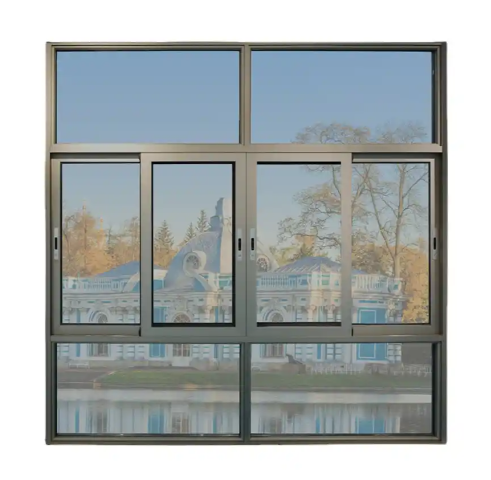
Sliding aluminium doors are widely used when designers want a strong visual connection between indoor and outdoor spaces. Large glass panels can create wide views and access to balconies, terraces, gardens and commercial spaces. Roller systems, frame geometry, drainage and glass weight must be carefully engineered for smooth operation.

Aluminium Entrance and Folding Doors

Entrance doors can combine security, thermal performance and architectural styling. Folding or bi-fold aluminium doors are useful where a project needs a wide opening and flexible indoor-outdoor circulation. Custom configurations can include different panel quantities, opening directions, thresholds, handles, locks, glass options and surface finishes.

04

How to Specify Aluminium Window Doors

Start with the Building

A specification should begin with the building location, exposure, orientation, wind conditions, climate, opening size and intended use. A coastal hotel requires different considerations from an inland office, while a high-rise façade may require substantially different structural and weather-performance criteria from a private house.

Define the Performance Target

The project team should define thermal, acoustic, air, water, wind, security and operational requirements before selecting a system. Local building codes and certification requirements should also be reviewed. This approach reduces the risk of selecting an attractive system that cannot satisfy the project's technical requirements.

Coordinate Glass, Hardware and Installation

The window frame is only one part of the complete fenestration assembly. Glass, hardware, gaskets, sealants, anchors, flashing and installation details must work together. International buyers can improve procurement accuracy by providing opening schedules, drawings, glass requirements, colour codes and performance targets before production.

05

Custom Aluminium Window Doors for Projects

OEM and Project Development

Project buyers often need more than standard catalogue products. Custom extrusion, profile geometry, glazing combinations, hardware selection and finish matching may be required. A capable manufacturer should be able to review drawings, confirm technical feasibility and convert project requirements into manufacturable components.

Colour and Surface Finish

Architectural aluminium can be finished in a wide range of colours and surface treatments. Popular options include powder coating, anodizing and wood-effect finishes. The selected finish should match the project's environmental exposure, colour specification and maintenance expectations.

Consistency Across Large Projects

For multi-building developments, consistency is critical. Profile dimensions, glass specifications, colour batches, hardware and packaging should be controlled throughout production. Clear quality-control procedures help reduce variation between production batches and support smoother installation on site.

06

Buying Aluminium Window Doors from a Manufacturer

Evaluate Manufacturing Capability

Buyers should review extrusion capability, machining, cutting, assembly, surface treatment, glass processing, quality control and packaging. Manufacturing capability matters because complex aluminium window doors projects often require multiple processes to work together with consistent tolerances.

Request Technical Documentation

Ask for profile drawings, section drawings, glazing information, hardware specifications, performance reports and installation guidance where relevant. Technical documentation makes it easier for architects, engineers and installers to evaluate whether a proposed system fits the project.

Compare Total Project Value

The lowest unit price is not necessarily the lowest project cost. Buyers should consider profile quality, hardware life, finish durability, packaging, delivery, installation complexity, replacement parts and after-sales support. A technically appropriate aluminium window doors system can reduce risk throughout the building lifecycle.

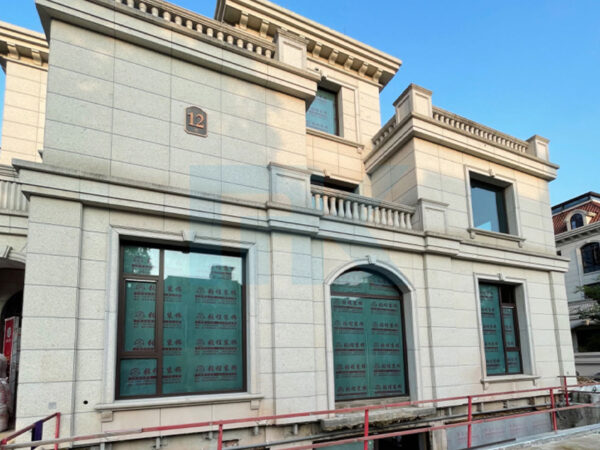
Featured Project Image

Architectural Aluminium Window Doors Manufacturing

custom aluminium window doors manufacturer for residential and commercial buildings
02 / Specification

Aluminium Window Doors Comparison Table

Use the following framework when comparing aluminium windows and doors for residential, commercial and architectural projects.

System Type Main Application Key Advantage Typical Design Focus Important Specification
Thermal Break Aluminium Window Homes, apartments, offices Improved thermal separation Comfort and energy performance U-factor, glazing, air leakage
Aluminium Casement Window Residential and commercial buildings Ventilation and clean sightlines Opening flexibility Hardware, seals, drainage
Aluminium Sliding Door Villas, hotels, terraces Large openings and views Indoor-outdoor connection Glass weight, rollers, drainage
Lift & Slide Aluminium Door Premium residential and commercial Large-format glazing Minimal architectural lines Structural load, hardware, seals
Aluminium Bi-Fold Door Residential and hospitality Wide opening Flexible circulation Panel size, hardware, threshold
Aluminium Entrance Door Homes, offices, retail Security and appearance Entrance architecture Locking system, hinges, seals
Custom Aluminium Door System Special architectural projects Project-specific engineering Unique dimensions and design Drawings, loads, local codes
03 / Frequently Asked Questions

Frequently Asked Questions About Aluminium Window Doors

These detailed answers are designed for architects, contractors, importers, distributors, developers and homeowners researching aluminium window doors.

What are aluminium window doors and why are they widely used?

Aluminium window doors are fenestration products manufactured with aluminium frames and designed to provide controlled access, ventilation, daylight, weather protection and architectural enclosure. They can be configured as windows, entrance doors, sliding doors, folding doors, fixed units and specialized project systems. Aluminium is popular because it provides a strong structural material with relatively low weight and excellent design flexibility. Modern systems can use thermal breaks, insulated glazing, advanced gaskets and high-performance hardware to address thermal and weather-performance requirements. The exact result depends on the complete assembly rather than the aluminium profile alone. For buyers, this means that frame geometry, glass, seals, drainage, hardware, installation and project exposure should all be considered. Aluminium window doors are especially useful for modern architecture because large glass areas and slim visual lines can be achieved with appropriately engineered systems. For commercial projects, aluminium also supports a wide range of finishes and configurations, making it easier to maintain consistent architectural appearance across multiple elevations and building types.

Are aluminium windows and doors energy efficient?

Aluminium windows and doors can be highly energy efficient when they are designed as complete high-performance systems. Aluminium itself conducts heat readily, which is why modern thermal-break systems separate the interior and exterior aluminium sections with insulating materials. The final thermal result also depends heavily on the glazing unit, low-emissivity coatings, spacer technology, seals and installation. For this reason, an international buyer should not evaluate a window simply by asking whether the frame is aluminium. The correct question is whether the complete window or door assembly meets the required performance target for the project's climate zone. In cold regions, lower thermal transmittance can help reduce heat loss. In warm regions, solar heat gain control can be especially important. Government energy guidance also emphasizes evaluating U-factor and solar heat gain according to climate and product application. A good aluminium window doors specification therefore combines thermal-break profiles, appropriate glazing, quality seals and professional installation rather than relying on a single component.

What types of aluminium window doors can be customized?

A wide range of aluminium window doors can be customized depending on the manufacturer's engineering and production capability. Common customization areas include window dimensions, opening direction, profile configuration, glazing thickness, glass type, colour, surface treatment, hardware, locking systems, handles, hinges, drainage design, thresholds and packaging. Casement windows can be configured for different ventilation requirements, while sliding doors can be designed around panel size, opening width and glass weight. Bi-fold doors can be customized according to the number of panels and opening direction. Entrance doors can be developed with different security hardware and decorative options. For commercial and architectural projects, buyers may also request custom extrusion profiles or modifications to standard systems. The best approach is to provide drawings, dimensions, project location, glass requirements and performance targets before production. This allows the manufacturer to confirm feasibility and reduce the risk of expensive changes later in the project. Customization should always balance appearance, structural requirements, manufacturing tolerances, installation conditions and applicable building regulations.

How should I choose aluminium window doors for a coastal project?

Coastal projects require careful consideration because salt-laden air, moisture, strong winds and sand can create demanding environmental conditions. Aluminium window doors for coastal buildings should therefore be selected with attention to surface treatment, hardware corrosion resistance, drainage, sealing, glass specification and structural performance. Powder coating or anodizing should be selected according to the intended exposure and finish requirements, while stainless or appropriately protected hardware may be necessary in aggressive environments. The building's wind exposure should also influence profile selection, glass thickness and reinforcement. Coastal hotels, villas and apartments often combine large glazed openings with strong weather requirements, so sliding doors and windows must be designed carefully. Proper installation is equally important because water management at the frame-to-wall interface can determine real-world durability. Buyers should provide the manufacturer with project location, wind conditions, opening dimensions and environmental exposure information. Instead of choosing a generic aluminium window doors system, a project-specific specification helps create a more reliable balance between aesthetics, durability, weather resistance and maintenance.

What glass should be used with aluminium windows and doors?

Glass selection depends on climate, building use, safety requirements, acoustic objectives, solar exposure and the desired visual result. Double glazing and triple glazing can improve thermal performance, while low-emissivity coatings can reduce unwanted heat transfer. Solar-control glass can be useful in climates where cooling loads are important. Laminated or tempered safety glass may be appropriate for locations where impact resistance or safety glazing is required. Acoustic laminated glass can also be considered for buildings close to airports, highways or busy urban areas. The glass should never be specified independently from the aluminium frame. Glass weight affects hardware, rollers, hinges and structural requirements, especially for large sliding doors and lift-and-slide systems. The frame's glazing pocket, gasket and drainage design must be compatible with the selected glass thickness and insulating glass unit. Buyers should therefore provide the intended glass specification during the early design stage. A professional aluminium window doors manufacturer can then verify compatibility, calculate relevant loads and recommend a suitable frame, hardware and sealing configuration for the application.

How long can aluminium window doors last?

The service life of aluminium window doors depends on material quality, profile design, surface finish, hardware, exposure, installation, maintenance and frequency of use. Aluminium itself is a durable material, but the complete product contains many components that can affect long-term performance. Surface treatment protects the visible frame and contributes to appearance retention, while gaskets, rollers, hinges, locks and other moving parts may require inspection or replacement over time. Coastal and industrial environments can impose additional demands. Correct drainage and cleaning are also important because accumulated dirt can affect water management and moving components. Commercial entrances and frequently used sliding systems typically experience higher mechanical loads than residential windows. For this reason, hardware selection should match the expected cycle frequency and panel weight. Buyers should also consider availability of replacement hardware and technical support when selecting a supplier. A quality aluminium window doors system is therefore best understood as a complete building component rather than simply an aluminium frame. Proper engineering, installation and maintenance can significantly contribute to long-term performance and reduce avoidable lifecycle problems.

What should international buyers ask an aluminium window doors manufacturer?

International buyers should request technical information that allows them to compare suppliers on a like-for-like basis. Important questions include the aluminium alloy and profile specifications, thermal-break construction, glazing range, hardware brand and configuration, surface treatment, colour system, drainage design, seals, packaging method and available performance documentation. Buyers should also ask whether the manufacturer can provide shop drawings, section drawings, installation instructions and project-specific engineering support. Production capacity and quality-control procedures matter for larger projects, particularly where multiple buildings require consistent dimensions and finishes. It is also useful to clarify lead times, minimum order quantities, spare parts, warranty conditions and after-sales support. The project location should be communicated early because climate, wind exposure, local regulations and installation methods can influence the required specification. A professional supplier should be able to explain why a particular profile, glass or hardware combination is appropriate rather than simply quoting a low unit price. This approach helps importers, distributors, contractors and developers reduce procurement risk and select aluminium window doors based on measurable project requirements.

Can aluminium window doors be used for large architectural openings?

Yes, aluminium systems are frequently selected for large architectural openings because the material combines structural strength with design flexibility. Large sliding doors, lift-and-slide systems, folding doors, curtain-wall interfaces and large fixed glazing can all be developed around aluminium framing. However, large openings require careful engineering. Glass weight can become substantial, and wind loads can increase significantly as opening dimensions grow. Frame deflection, hardware capacity, roller systems, reinforcement, anchoring and glass support must therefore be checked. The opening width should not be treated as an isolated dimension because the surrounding wall and structural structure also influence the final design. For premium aluminium window doors projects, slim sightlines should be balanced against structural requirements and thermal performance. A competent manufacturer can review architectural drawings and recommend suitable profile dimensions, mullions, transoms, glass configurations and hardware. For international projects, the design should also consider local wind-load requirements, safety regulations, access requirements, drainage and installation tolerances before final production drawings are approved.

04 / Materials & Manufacturing

Materials and Manufacturing Process for Aluminium Window Doors

Aluminium Alloy Selection

Aluminium alloy selection influences extrusion performance, mechanical properties, surface quality and application suitability. Building systems commonly use architectural extrusion alloys selected for a balance of strength, appearance and manufacturing performance. The correct alloy should be chosen according to profile geometry, structural requirements, finishing method and intended application.

Precision Extrusion

Aluminium profiles are produced through extrusion, where heated aluminium billet is forced through a die to create the required cross-sectional shape. Complex window and door profiles may include thermal-break chambers, drainage channels, reinforcement zones and glazing interfaces. Dimensional consistency is essential because profiles must connect accurately during fabrication and installation.

CNC Machining and Fabrication

After extrusion, profiles can be cut, drilled, milled and machined according to system drawings. CNC processing improves repeatability for hardware preparation, drainage slots, connectors and customized components. Fabrication tolerances should be controlled throughout the production process.

Surface Treatment

Powder coating, anodizing and wood-effect finishes provide different visual and functional characteristics. Colour consistency is especially important for large developments where multiple batches must match. The selected finish should reflect the environmental exposure, architectural specification and maintenance expectations of the project.

Thermal Break Assembly

Thermal-break aluminium systems use insulating components between the inner and outer aluminium sections to reduce conductive heat transfer. This technology allows aluminium frames to achieve substantially improved thermal performance compared with simple unbroken metal frames when combined with appropriate glazing and sealing.

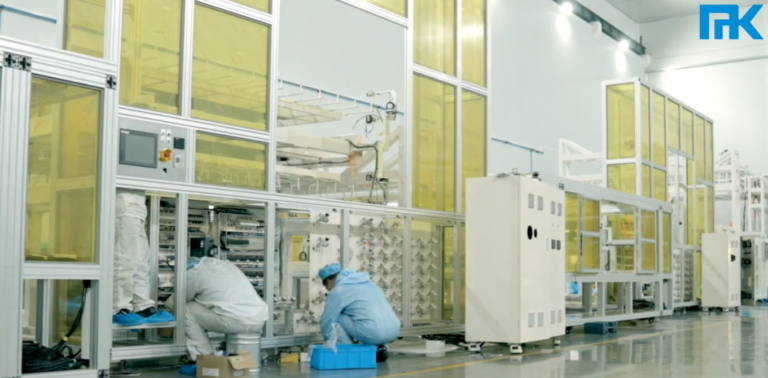
Final Assembly and Quality Control

Finished windows and doors are assembled with glass, gaskets, hardware, rollers, handles, locks and other components. Quality checks should include dimensions, appearance, operation, sealing, hardware installation, glass condition and packaging. Project-specific inspection criteria can be established before mass production begins.

01. Engineering Drawings, dimensions, system selection and performance requirements.
02. Extrusion Precision aluminium profile production and dimensional inspection.
03. Fabrication Cutting, CNC machining, assembly and hardware preparation.
04. Inspection Final quality checks, packaging and project delivery preparation.
05 / Project Solutions

Aluminium Window Doors Solutions for Different Markets

Residential Aluminium Windows & Doors

For villas, apartments, townhouses and private homes, the priorities often include thermal comfort, natural light, security, ventilation and appearance. Casement windows, sliding doors, lift-and-slide doors and entrance doors can be coordinated into one architectural language.

Commercial Building Solutions

Offices, retail buildings, schools and mixed-use developments require durable systems capable of handling frequent use and demanding building performance. Aluminium systems can be integrated with façades, entrances and curtain-wall applications.

Hotel & Hospitality Solutions

Hotels require a combination of aesthetics, acoustic comfort, durability and operational reliability. Large sliding doors, balcony doors, entrance systems and customized window configurations can support premium hospitality design.

Coastal Architecture

Coastal projects benefit from carefully selected surface finishes, hardware, seals and drainage solutions. Wind and weather exposure should be evaluated before the aluminium window doors system is finalized.

High-Rise & Large Openings

Large buildings require careful consideration of wind load, structural performance, glass size, frame deflection, anchoring and façade integration. Project-specific engineering is essential for oversized aluminium systems.

OEM & Distributor Programs

Importers and distributors may require private-label production, customized colours, standardized product families and repeatable packaging. A coordinated manufacturing program can simplify procurement across multiple projects.

06 / In-Depth Resource

Aluminium Window Doors: Design, Performance, Manufacturing and Global Sourcing

Aluminium window doors have become an important architectural product category because they provide a practical balance between structural strength, design flexibility, durability and modern appearance. Architects use aluminium framing for residential buildings, commercial properties, hotels, offices, retail developments and large architectural projects. The term aluminium window doors covers a broad family of products rather than one standardized product. It can include aluminium windows, sliding doors, folding doors, entrance doors, fixed glazing, lift-and-slide systems and customized architectural assemblies.

The correct system depends on the building. A private villa in a warm climate may prioritize solar control, ventilation and large openings, while an apartment project in a cold climate may focus heavily on thermal insulation, condensation resistance and airtightness. A coastal hotel may require additional attention to corrosion resistance, wind loading and weather sealing. A commercial entrance may instead prioritize heavy-duty hardware, security, frequent operation and accessibility. Therefore, the best aluminium window doors specification is always project-specific.

Understanding Aluminium as a Window and Door Material

Aluminium is valued in architectural applications because it is strong relative to its weight and can be extruded into complex profiles. Extrusion allows manufacturers to create cavities, channels, glazing pockets, drainage paths, reinforcement areas and thermal-break interfaces within a single profile geometry. This flexibility is one reason aluminium is widely used for modern architectural fenestration.

Another important advantage is design consistency. Aluminium profiles can be finished in a wide variety of architectural colours and textures. A project can therefore coordinate window frames, doors, façade elements and other aluminium components. Dark grey, black, white, metallic and custom architectural finishes are common choices, while wood-effect finishes can be used when a warmer visual appearance is required.

Aluminium also supports large glazed areas. Modern architecture increasingly seeks stronger visual connections between interior and exterior spaces. Large sliding doors, lift-and-slide systems and wide fixed glazing can create expansive views while maintaining a relatively clean frame appearance. However, large glass areas introduce additional structural and operational considerations. Glass weight, wind pressure, frame deflection, hardware capacity and installation must be considered together.

Thermal Break Technology and Energy Performance

One of the most important developments in modern aluminium window doors is the use of thermal-break construction. Aluminium is an excellent conductor of heat, so an uninterrupted aluminium frame can transfer heat quickly between the exterior and interior. Thermal-break systems introduce an insulating barrier between the two aluminium sections, reducing conductive heat transfer.

However, thermal performance should never be evaluated from the frame alone. The glazing unit, spacer, seals, frame geometry and installation all influence the complete assembly. The U-factor, solar heat gain coefficient and air leakage characteristics should be evaluated according to the intended climate and application. The U.S. Department of Energy notes that window performance depends on frame materials, glazing, gas fills, spacers and operation type, and that climate should be considered when selecting fenestration products.

For cold climates, reducing heat loss is a major objective. Buyers may look for lower thermal transmittance, high-quality insulating glass, low-emissivity coatings and strong air-sealing. For warm climates, controlling solar heat gain can be equally important. Solar-control glass, shading and appropriate glazing orientation can help reduce unwanted heat entering the building.

Glass Selection for Aluminium Windows and Doors

Glass represents a significant part of any modern aluminium window doors system. Double glazing can provide improved thermal performance compared with single glazing, while triple glazing can be considered for demanding cold-climate applications. Low-emissivity coatings can reduce radiant heat transfer, and solar-control coatings can reduce solar gain.

Safety and acoustic requirements also influence glass selection. Tempered glass may be appropriate where safety glazing is required. Laminated glass can provide additional safety and acoustic characteristics. Projects located near roads, airports, industrial facilities or busy city centres may consider acoustic glazing as part of the overall building envelope strategy.

Glass weight must also be considered. A large sliding door with heavy insulating glass places greater loads on rollers, tracks and frame components. Hardware selection should therefore be based on actual panel weight rather than only on nominal door dimensions.

Aluminium Sliding Doors for Modern Architecture

Aluminium sliding doors are one of the most visible applications of aluminium window doors technology. They are commonly used for balconies, patios, terraces, gardens, hotel rooms, villas and premium residential interiors. Their primary architectural benefit is the ability to create large openings without requiring the swing space associated with traditional hinged doors.

High-performance lift-and-slide systems take this concept further by allowing larger panels to be moved with relatively low operating effort. The hardware system lifts the panel away from the seals during operation and then lowers it into the closed position. This approach can combine large glass surfaces with weather sealing and smooth operation.

Sliding systems require careful attention to drainage. Rainwater entering the frame must be managed through appropriate channels and outlets. Installation interfaces between the frame and building wall must also be properly sealed. Even a high-quality frame can experience leakage if the surrounding installation is poorly designed or executed.

Aluminium Casement Windows

Casement aluminium windows remain a practical solution for ventilation and controlled opening. Depending on hardware configuration, they can open inward or outward and can incorporate multi-point locking. Compression seals can support improved air and weather performance when correctly designed and installed.

Casement systems are particularly suitable for residential buildings because they provide a straightforward combination of daylight, ventilation and security. They can also be integrated with fixed windows to create larger façade compositions. Architects may combine narrow opening sections with wider fixed glazing to balance ventilation and visual openness.

Aluminium Entrance Doors

Entrance doors are often the first architectural element seen by visitors. Aluminium entrance doors can therefore combine structural performance with branding and architectural appearance. Large-format handles, concealed hinges, glass inserts, decorative panels, electronic locks and multi-point locking systems can all be incorporated depending on the project.

Commercial entrance doors require special consideration because opening cycles can be significantly higher than in residential buildings. Hardware must be selected according to expected use. Door weight, closer force, hinge capacity, threshold design and accessibility requirements should be considered during specification.

Surface Finishing and Architectural Appearance

Surface treatment has both aesthetic and functional importance. Powder coating provides a wide colour range and can create different surface textures. Anodizing can provide a distinctive metallic appearance and is widely associated with architectural aluminium. Wood-effect finishes can visually reproduce the appearance of timber while maintaining an aluminium structural system.

For large projects, colour control is essential. The buyer should confirm colour references, acceptable batch variation and finishing requirements before mass production. This becomes particularly important when windows and doors are manufactured over several production batches or installed across multiple buildings.

Weather Performance

Weather performance includes resistance to air infiltration, water penetration and wind pressure. These properties depend on the frame geometry, gaskets, drainage, hardware, glass, fabrication and installation. The same profile may perform differently depending on configuration and installation conditions.

For this reason, project specifications should identify required performance targets rather than simply naming an aluminium alloy. A professional manufacturer can then recommend a system configuration that matches the intended building conditions.

Acoustic Performance

Acoustic comfort is increasingly important in urban architecture. Aluminium frames themselves are only one part of the acoustic assembly. Glass composition, air gaps, seals and frame geometry all contribute to the final result. Laminated acoustic glass can be considered when noise reduction is a major requirement.

For residential developments near airports, railways and major roads, acoustic requirements should be identified early. Changing the glass specification after fabrication can be expensive, especially when hardware and frame configurations have already been finalized.

Security Considerations

Aluminium window doors can be configured with multi-point locks, reinforced profiles, security hardware, laminated glass and controlled-access components. The required security level depends on the building type and location. Residential doors may require robust locking and impact resistance, while commercial entrances may require access-control integration.

Security should be treated as a system-level consideration. Frame strength, locking points, hinges, glass, hardware and installation all contribute to the final result. A strong lock cannot compensate for an inadequately designed frame or poor installation.

Manufacturing Quality and Quality Control

Consistent quality is critical when purchasing aluminium window doors in volume. Profile dimensions must remain within controlled tolerances. Cutting and CNC machining must follow production drawings. Hardware must be installed correctly, and glass must be checked for damage before final packaging.

A strong quality-control system should cover incoming materials, extrusion, finishing, machining, assembly, glass, hardware, appearance and packaging. For large projects, sample approval before mass production is recommended. The approved sample can become the reference point for later production batches.

Packaging and International Shipping

Aluminium window doors are vulnerable to scratching, impact and deformation during transport if they are inadequately packed. Profiles should be protected against surface damage, while glass should be packaged according to international transportation requirements. Finished windows and doors should be secured to prevent movement inside shipping containers.

Buyers should discuss packaging before production rather than treating it as an afterthought. Export packaging may need stronger protection than domestic packaging because products can experience multiple loading and unloading stages. Clear identification of each opening or building area can also simplify installation after arrival.

How to Source Aluminium Window Doors Internationally

International sourcing should begin with a detailed specification. Provide architectural drawings, dimensions, quantity, glass requirements, colour, hardware preferences, opening types, project location and performance targets. This allows manufacturers to quote based on a realistic configuration instead of making assumptions.

Buyers should compare suppliers based on technical capability, manufacturing consistency, communication, documentation, quality-control processes, packaging, delivery and after-sales support. Price remains important, but it should be evaluated together with the technical specification and project risk.

A supplier that understands architectural drawings and can provide technical support can reduce the amount of coordination required from the buyer. This is particularly valuable for overseas projects where communication, time zones, shipping and local installation can create additional complexity.

Aluminium Window Doors and Sustainability

Sustainability is becoming increasingly relevant to the architectural aluminium industry. Aluminium can be recycled, and recycled aluminium can require substantially less energy than primary aluminium production. Industry developments in 2026 show growing interest in low-carbon and closed-loop aluminium systems.

For example, Hydro reported in July 2026 that a refurbishment project in Oslo was using recovered façade aluminium in a closed-loop process, with the recycled material returning to new façade production. The project demonstrates how traceability and circular material flows can become part of building-envelope strategies.

Sustainability should nevertheless be evaluated across the full product lifecycle. A durable aluminium window doors system with a long service life, efficient glazing and repairable components may provide value beyond the initial material choice. Buyers can also ask suppliers about recycled content, aluminium sourcing, finishing processes, packaging and product recyclability.

Future Trends in Aluminium Window Doors

The future of aluminium window doors is likely to be shaped by several connected trends: larger glass areas, slimmer visual lines, improved thermal performance, low-carbon materials, circularity, automation, digital fabrication and increasingly demanding building regulations.

Manufacturers are also developing systems that combine multiple functions. Windows and doors are no longer treated simply as openings in a wall. They can become part of an integrated building envelope that addresses energy performance, ventilation, daylight, security, acoustics, solar control and architectural identity.

For architects and developers, this creates more design possibilities but also increases the importance of early technical coordination. The best project outcomes occur when the architect, contractor, fabricator, glass supplier and installation team coordinate requirements before production begins.

Why Project-Specific Engineering Matters

A standard aluminium window doors catalogue can be useful for initial product selection, but large projects frequently require adjustments. Opening dimensions, wind loads, glass sizes, thresholds, hardware and façade interfaces may differ from one building to another. Project-specific engineering ensures that the proposed system responds to actual conditions.

This approach is particularly important for international projects. Different markets have different building codes, performance standards and climatic conditions. A configuration suitable for one region should not automatically be assumed to satisfy another market.

Final Buying Checklist

  • Confirm project location and environmental exposure.
  • Define required window and door types.
  • Provide opening dimensions and architectural drawings.
  • Specify glazing type, thickness and performance requirements.
  • Confirm thermal-break requirements where applicable.
  • Define surface finish and colour reference.
  • Confirm hardware, locking and security requirements.
  • Review air, water and wind performance requirements.
  • Evaluate acoustic requirements where relevant.
  • Confirm packaging and international shipping requirements.
  • Request technical drawings and installation information.
  • Approve samples before mass production.
  • Confirm quality-control procedures and inspection points.
  • Clarify warranty, spare parts and after-sales support.
  • Compare complete project value instead of unit price alone.

In conclusion, aluminium window doors provide a versatile platform for modern architectural design, but product quality should be judged as a complete system. Frame engineering, thermal breaks, glazing, hardware, seals, surface treatment, fabrication, installation and maintenance all contribute to final performance. Buyers who define their requirements clearly and work with technically capable manufacturers can achieve a better balance between aesthetics, durability, energy performance and long-term project value.

07 / Global Market

10 Major Global Aluminium Window and Door System Suppliers

The following companies are established names in the global architectural aluminium, window, door and building-system market. This list is presented as a market reference rather than a quality ranking.

01

AluK

Global aluminium construction-system specialist covering windows, doors and façade solutions across multiple international markets.

02

Schüco

International building-envelope company offering aluminium window, door, façade, security and related architectural systems.

03

Reynaers Aluminium

European aluminium architectural systems brand serving windows, doors, sliding systems and building-envelope applications.

04

Hydro Building Systems

Aluminium building systems business associated with Sapa, WICONA and Technal architectural solutions.

05

TECHNAL

Architectural aluminium systems serving residential and commercial window, door and façade applications.

06

WICONA

Aluminium building-system brand focused on advanced façade, window and door technologies.

07

Cortizo

European aluminium systems manufacturer with a broad architectural product portfolio for windows, doors and façades.

08

Aliplast

Aluminium extrusion and architectural system supplier serving international construction markets.

09

YKK AP

Global building-products company with architectural window, door and façade solutions.

10

Sapa

Aluminium building-system brand operating within Hydro's global building systems portfolio.

09 / Knowledge Center

Latest Aluminium Window Doors Articles

Read the latest technical guides, product insights, architectural trends and aluminium industry content from our WordPress news and article archive.

aluminium window company

aluminium window company

Aluminium Window Company | Custom Aluminium Windows Manufacturer & Supplier HOME PRODUCTS NEWS ABOUT US…

10 / Global Industry News

Latest Global Aluminium Window & Door Industry News

Selected recent developments from established industry and manufacturer sources. Links open the original source website for readers who want the complete information.

September 2026

AluK Announces Large-Scale Landmark Project

AluK reported a major £67 million Dallas Road development in Bedford, where aluminium windows, doors and curtain walling systems are being specified across a new residential neighbourhood.

Source: AluK →
July 2026

Hydro Highlights Closed-Loop Aluminium Façade

Hydro reported a closed-loop aluminium façade refurbishment project in Oslo, using recovered aluminium from the existing building in a traceable recycling process for new façade solutions.

Source: Hydro →
2026

Schüco Continues Focus on Sustainable Building Systems

Schüco describes its international portfolio around aluminium, steel and PVC-U building-envelope systems, with sustainability, circularity and energy efficiency increasingly integrated into architectural solutions.

Source: Schüco →
September 2026

Aluminium Systems Continue to Evolve Around Performance

Current industry coverage highlights continuing development of thermal performance, large-format doors, heritage-style systems and architectural aluminium solutions.

Source: Window News →
August 2026

AluK Expands Premium Aluminium Fenestration Discussion

AluK India published recent technical and design-focused content covering premium fenestration, customized aluminium systems, glass selection and multitrack aluminium door configurations.

Source: AluK India →
2026

Global Demand for Aluminium Building Systems

Global architectural-system suppliers continue to position aluminium around durability, design flexibility, thermal technology and increasingly circular approaches to building-envelope construction.

Source: Hydro Building Systems →
Start Your Project

Looking for a Reliable Aluminium Window Doors Manufacturer?

Send us your drawings, dimensions, glass requirements, colours, quantities or project specifications. Our team can help you develop a suitable aluminium window and door solution for your target market.

Get a quote

Aluminium windows · Aluminium doors · Thermal break windows · Sliding doors · Bi-fold doors · Entrance doors · Aluminium profiles · OEM · Custom architectural systems

```